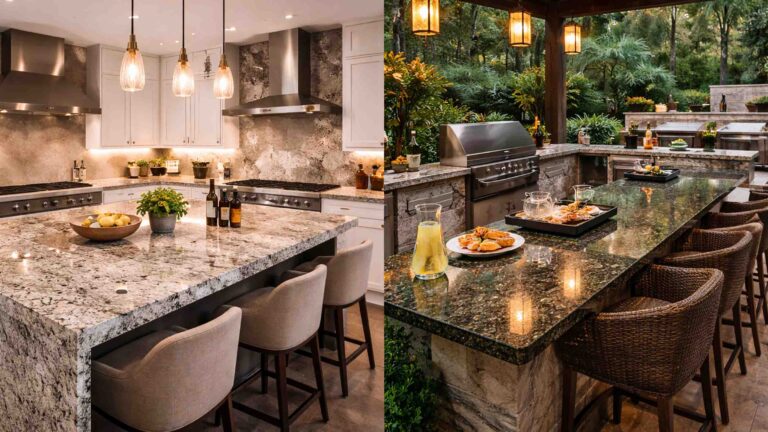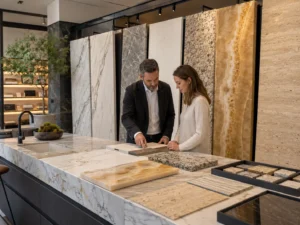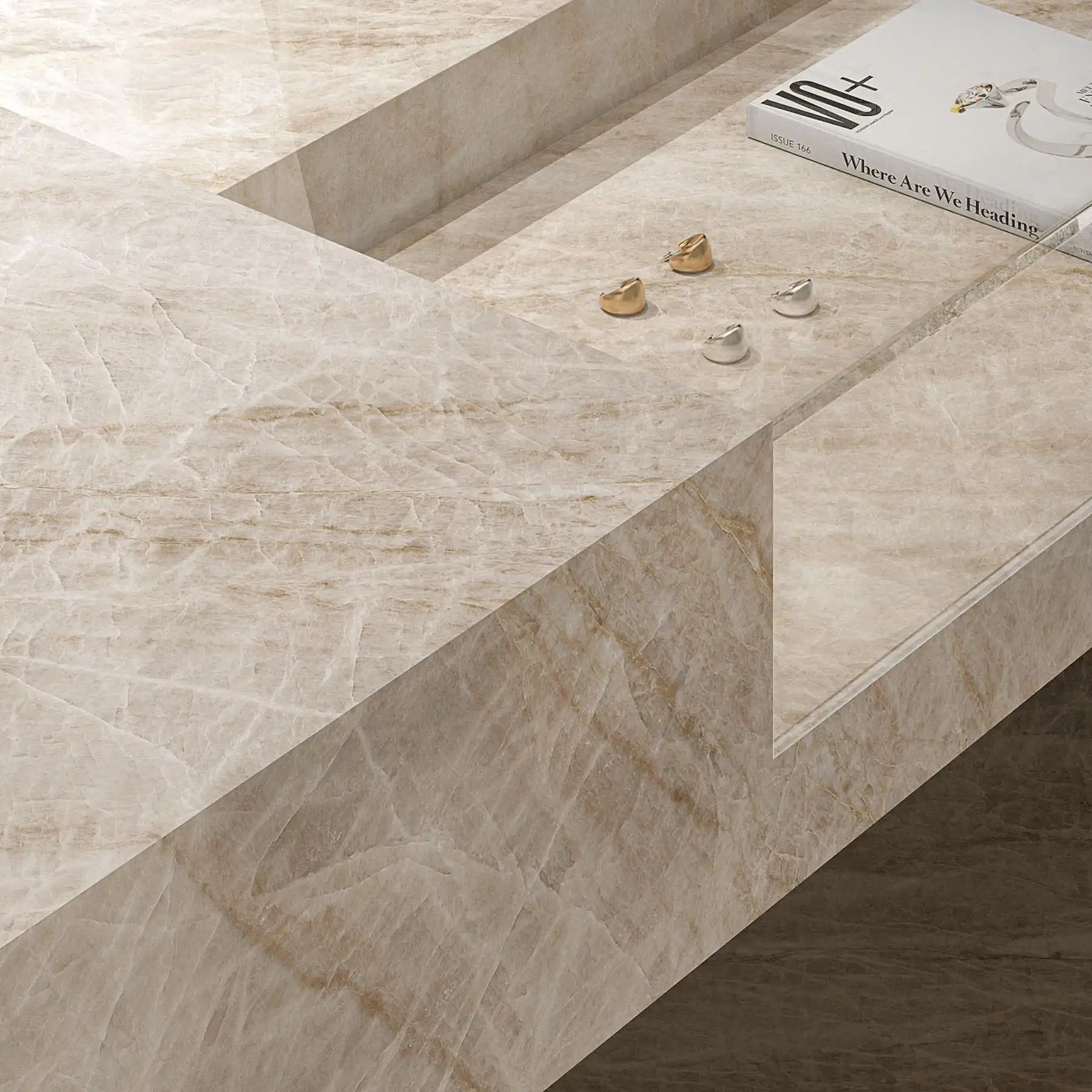
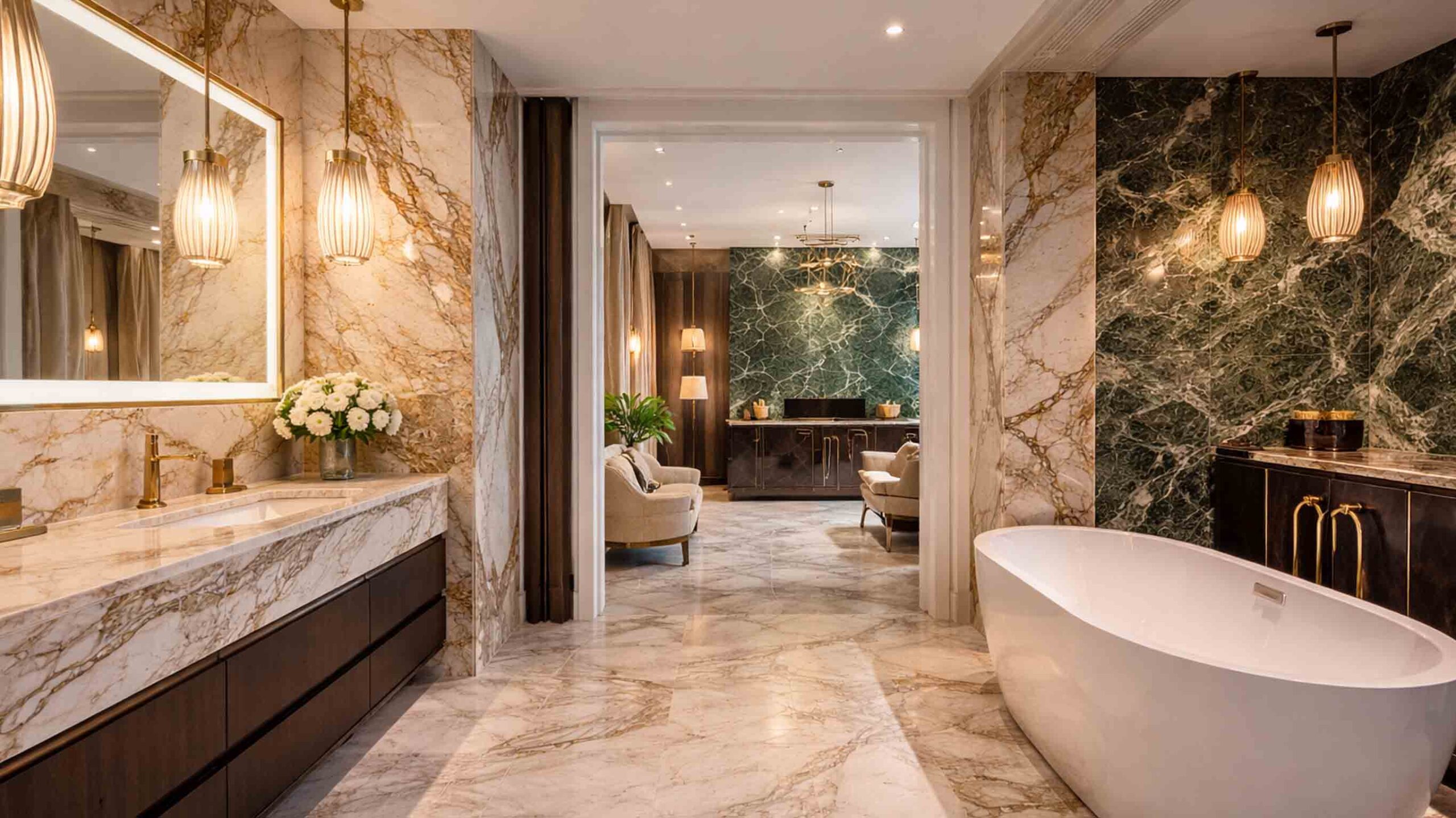
The top marble types in the world for high-end homes and hotels are no longer chosen by appearance alone. In 2026, buyers, architects, and developers are looking for marble that combines luxury aesthetics, project suitability, sustainability documentation, and long-term design value. From Calacatta Gold and Statuario to Verde Alpi and Fior di Bosco, the most desirable marble types are those that create emotional impact while also supporting smarter sourcing, application planning, and premium interior positioning.
Marble has never really disappeared from luxury design. It simply changes its role. In some years, it is the main character, used boldly across floors, walls, vanities, and statement islands. In other years, it becomes quieter and more architectural, selected for texture, background tone, or a single unforgettable surface. In 2026, marble is again in a strong position for premium residential and hospitality projects because the market is moving toward natural materials, layered textures, warmer palettes, and surfaces with visible authenticity rather than factory-perfect uniformity. Design forecasting for 2026 repeatedly points to richer material combinations, natural finishes, and more expressive interiors, while hospitality design reporting continues to associate polished stone and material depth with luxury environments.
That does not mean every marble works everywhere. A marble that looks magnificent in a hotel reception wall may be a poor choice for a busy kitchen island. A brilliant white marble that photographs beautifully in a villa may need more disciplined maintenance than a boutique hotel can reasonably deliver. So the real question is not whether marble is luxurious. It obviously is. The smarter question is which marble types are most suitable for high-end homes and hotels in today’s market, where visual impact, maintenance planning, traceability, and sustainability documentation all matter more than they did a few years ago.
There is another reason this topic matters now. The regulatory and specification environment is tightening. The revised EU Construction Products Regulation entered into force on January 7, 2025 and became applicable from January 8, 2026, introducing stronger digital and environmental information expectations, including Digital Product Passports for construction products. Great Britain also updated its framework so that CE-marked products aligned with EU-CPR 2024 can continue to be placed on the GB market under the amended regime from January 8, 2026. For marble suppliers, marble manufacturers, architects, and buyers, that means stone selection is no longer just a matter of taste. Documentation, declared performance, and reliable product information are becoming part of the buying decision.
Why marble still matters in 2026 luxury interiors
Marble remains powerful because it does something very few materials can do well: it combines geological individuality with architectural refinement. Unlike highly uniform surfaces, marble introduces movement, light variation, depth, and tonal complexity into a room. That is especially important in luxury homes and hotels, where the design goal is rarely just cleanliness or modernity. The goal is atmosphere. Premium interiors need visual rhythm, a sense of permanence, and material character that improves a space rather than simply covering it.
The material is also benefiting from a broader shift toward natural product transparency. The Natural Stone Institute has published industry-wide environmental product declarations and health product declarations for natural stone applications including countertops, cladding, and flooring or paving. Those declarations help design teams compare materials on a more informed basis and strengthen natural stone’s position in sustainability-conscious specification. The Institute explicitly notes that these declarations help natural stone be recognized as a lower-carbon building material, which is commercially significant in premium projects where environmental credibility is now part of value perception.
At the same time, concerns around respirable crystalline silica in engineered stone fabrication are prompting more buyers and specifiers to re-evaluate where natural marble fits in the product mix. NIOSH’s 2026 bulletin notes that California research found 51% of inspected stone fabrication shops had at least one employee exposed above the permissible exposure limit of 50 micrograms per cubic meter, underscoring how seriously fabrication safety is now being taken across the surface materials industry. This does not make marble maintenance-free or risk-free. It does mean that natural stone is increasingly discussed not only in aesthetic terms, but also in relation to transparency, fabrication practice, and responsible material choice.
How this top 10 list was selected
This list is not a geological ranking and it is not a pure popularity contest. It is based on what high-end homes and hotels actually need in 2026: visual distinction, design flexibility, application range, compatibility with current palettes, and strong relevance to premium sourcing conversations. White marbles remain essential because they still anchor luxury kitchens, bathrooms, and feature walls. Dark marbles matter because hospitality design is leaning into richer, moodier, more experiential spaces. Warm beige and soft grey marbles matter because the market is moving away from cold minimalism toward more grounded, livable luxury.
Top 10 marble types in the world for high-end homes and hotels
1. Calacatta Gold Marble
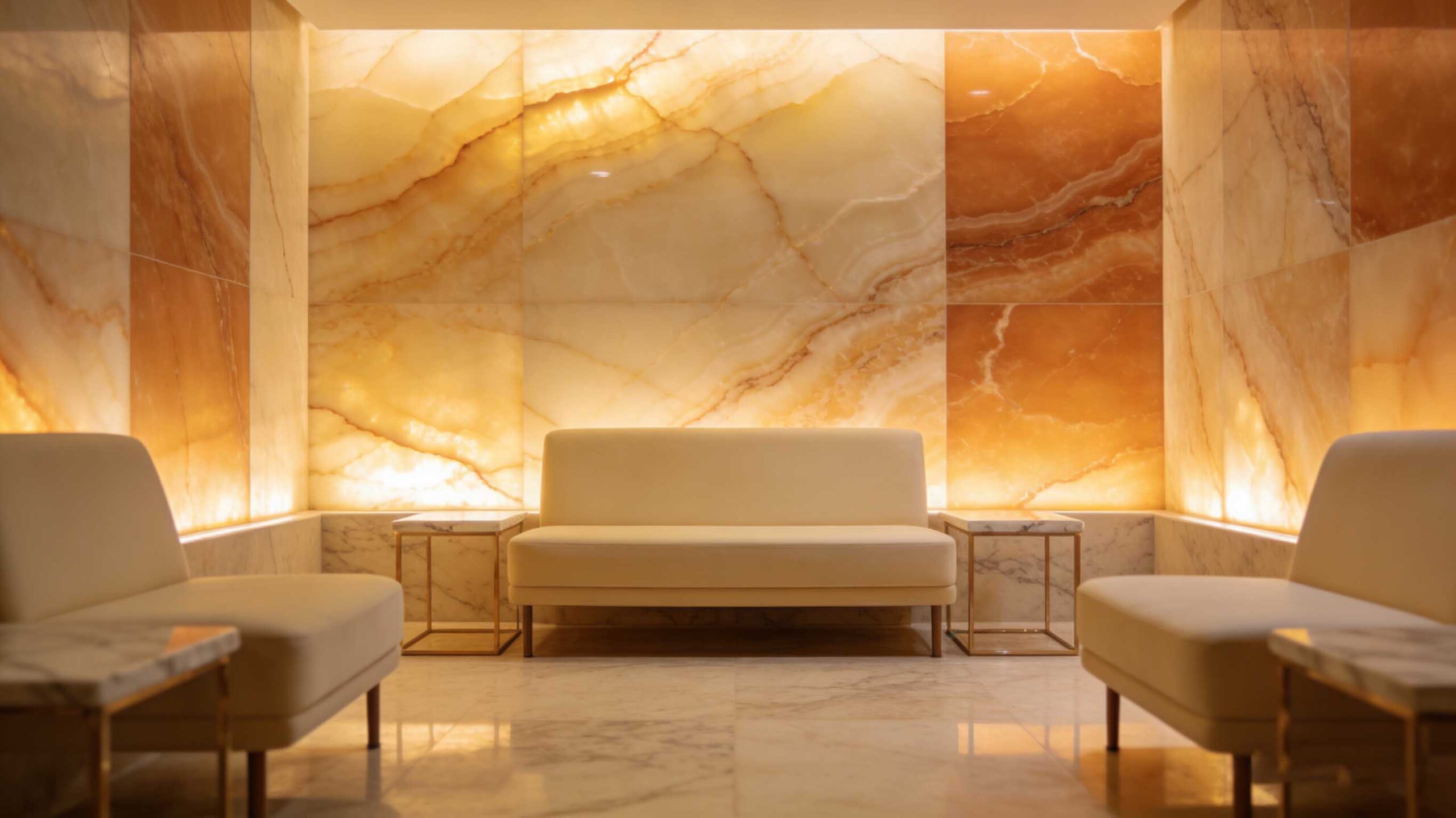
Calacatta Gold remains one of the clearest luxury signals in the stone world. Its bright white background, broader veining, and warmer gold undertones make it feel more dramatic and more decorative than Carrara. In high-end homes, it performs best where the slab can be seen as a composition rather than chopped into small pieces: waterfall islands, backsplash walls, vanity walls, fireplace surrounds, and feature cladding. In hotels, it works best in reception areas, executive washrooms, and signature suites where the design brief calls for a prestigious but still timeless statement. Calacatta’s strength is not subtlety. Its strength is controlled opulence.
2. Statuario Marble
If Calacatta Gold feels warm and expressive, Statuario feels cooler, sharper, and more sculptural. It is often preferred in projects where the client wants a refined, gallery-like luxury rather than overt warmth. The contrast between its crisp white field and dramatic grey veining gives it exceptional suitability for contemporary kitchens, bathroom feature walls, and boutique hotel surfaces that want elegance without ornament overload. Because it reads as highly premium even from a distance, Statuario is often chosen for spaces where first impressions matter.
3. Carrara Marble
Carrara may be more familiar and more accessible in visual language, but that is exactly why it remains one of the most commercially useful marble types in the world. Its softer veining and gentler tonality make it easier to apply across larger areas without exhausting the eye. In high-end homes, Carrara works beautifully in bathrooms, secondary kitchens, flooring, and quieter wall schemes. In hotels, it is a reliable choice for guest bathrooms, corridors, and lounges where the space needs elegance without screaming for attention. If a buyer wants a marble that is classic, versatile, and less visually demanding than Calacatta or Statuario, Carrara is still one of the safest premium bets. For buyers comparing white marbles in more detail, our guide to <a href=”https://cssstone.com/buying-bianco-carrara-marble-in-2025-what-catalogs-never-tell-you/”>buying Bianco Carrara marble</a> helps explain what brochures often leave out.
4. Arabescato Marble
Arabescato is where white marble starts to become more artistic. Compared with Carrara, it usually shows stronger movement and more decorative veining patterns. Compared with Calacatta, it can feel slightly more fluid and less formal. That makes it especially good for spaces that want energy and pattern without becoming visually chaotic. In luxury residences, Arabescato is excellent for statement powder rooms, kitchen splashbacks, and bespoke furniture surfaces. In boutique hotels, it works well in vanity zones, elevator lobbies, and bar surrounds where a stronger stone identity helps define the space.
5. Thassos Marble
Thassos occupies a different category from most veined marbles because its appeal comes from purity rather than pattern. It is known for its highly uniform white appearance and crystalline brightness, which makes it especially effective in projects aiming for minimalism, spa-like serenity, or a high-reflectance white palette. In luxury homes, it suits bathrooms, wellness zones, and bright contemporary interiors where visual calm matters more than dramatic veining. In hotels, it is ideal for spas, wellness lounges, and premium washrooms where the atmosphere needs to feel clean, luminous, and composed. Thassos is not the marble for people seeking theatrical character. It is the marble for people who want disciplined elegance.
6. Crema Marfil Marble
As 2026 interiors move toward warm neutrals, Crema Marfil becomes more relevant again. Its creamy beige palette makes it one of the easiest marbles to integrate with oak, walnut, bronze, soft lighting, and hospitality-oriented palettes. In high-end homes, it is often a better emotional fit than cold white marble for flooring, bathrooms, staircases, and wall panels. In hotels, it is a very practical luxury material because it feels welcoming, upscale, and less clinically pristine than pure white stones. It also helps large interiors feel warmer and more habitable, which is a major advantage in lobbies, guest room bathrooms, and corridor schemes.
7. Emperador Dark Marble
Emperador Dark is one of the most dependable dark marbles for spaces that want richness without the stark contrast of black. Its chocolate-brown base and lighter veining make it particularly suitable for moody luxury interiors, cigar-lounge palettes, hotel bars, and masculine residential settings. In contemporary homes, it works well in powder rooms, fireplace surrounds, wall panels, and custom furniture. In hospitality, it is a smart material for areas that need warmth, visual depth, and a more intimate sense of luxury. It is often easier to maintain visually in busy environments than very pale marbles because minor marks and tonal variation are less exposed.
8. Nero Marquina Marble
Nero Marquina is dramatic, recognizable, and highly photogenic. Its deep black field with striking white veining makes it a favorite for statement interiors that want contrast and authority. Used well, it can transform an ordinary application into an unforgettable one. In private homes, it is ideal for bar areas, dramatic bathrooms, stair details, and furniture accents. In hotels, it excels in reception desks, cocktail bars, cloakrooms, and feature zones where black stone helps anchor the room. The caution with Nero Marquina is obvious: too much of it can make a space feel heavy. But when used surgically, it is one of the strongest visual tools in premium stone design.
9. Verde Alpi Marble
Green stone is no longer a niche taste. Current design direction is clearly moving toward richer, more characterful palettes, and Verde Alpi fits that mood perfectly. Its saturated deep green base and contrasting veining make it one of the most desirable marbles for projects that want individuality, color depth, and a more editorial kind of luxury. In high-end homes, Verde Alpi is powerful in powder rooms, kitchen islands, library-like lounges, and stone furniture. In hotels, it is ideal for statement bars, reception counters, luxury washrooms, and wellness spaces seeking a more immersive, nature-linked mood. This marble is not quiet, and that is exactly the point.
10. Fior di Bosco Marble
Fior di Bosco has become increasingly attractive because it captures one of the most important luxury moods of the moment: soft drama. Its smoky grey field, misty movement, and occasional warm veining make it more atmospheric than plain grey stone and less aggressive than black marble. In high-end homes, it is superb for bathrooms, floors, wall cladding, and kitchens that want nuance rather than spectacle. In hotels, it works beautifully in suites, spa transitions, and public areas where calm sophistication matters more than overt glamour. Fior di Bosco is especially effective in projects that want the room to feel expensive but still emotionally quiet.
How to choose the right marble for high-end homes and hotels
Match the marble to the emotional tone of the project
White marbles such as Calacatta Gold, Statuario, Carrara, Arabescato, and Thassos create different versions of luxury. Calacatta Gold feels grand and expressive. Statuario feels sharp and architectural. Carrara feels timeless and adaptable. Arabescato feels more fluid and decorative. Thassos feels serene and pure. The correct choice depends on whether the project wants spectacle, calm, heritage, warmth, or visual cleanliness. That is why serious buyers do not buy by name alone. They buy by room mood, slab selection, and context.
Think in applications, not just aesthetics
A marble that looks stunning in a bookmatched wall may not be the smartest choice for a high-use vanity top in a family home or a busy hotel bathroom. Homes can sometimes support more delicate, personal material choices because the user behavior is more controlled. Hotels operate differently. They need maintenance planning, staff consistency, cleaning discipline, and greater tolerance for turnover. That is why many hospitality projects use their strongest marbles in focal areas and reserve quieter or more forgiving stones for broader field applications.
Verify authenticity and grading before ordering
Premium marble sourcing is full of visual shortcuts. Names are reused, commercial grades vary, and slab photography can hide critical differences in tone, fissures, resin treatment, and repair work. Buyers who want the real thing should always review actual slabs, not just generic category images. If the project depends on marble credibility, the team should also understand <a href=”https://cssstone.com/how-to-tell-real-marble-from-fake-marble-a-simple-identification-guide/”>how to tell real marble from fake marble</a> before approving samples or committing to a container order. That step sounds basic, but it saves a ridiculous amount of pain later.
Why regulation, documentation, and supply chain credibility matter more now
The old stone sales model relied heavily on appearance, origin stories, and polished samples. That is no longer enough for premium projects. The revised EU CPR 2024 framework is pushing the sector toward better digital documentation, stronger sustainability information, and more transparent product data. The European Commission explicitly describes Digital Product Passports as a way to provide declaration of performance, conformity information, safety information, and use instructions, while also helping calculate a building’s carbon footprint more reliably. In short, the material itself still matters, but the data around the material is becoming commercially important too.
The same pattern appears in Great Britain, where the 2025 amendment regulations that came into force on January 8, 2026 allow products meeting EU requirements and carrying CE marking under EU-CPR 2024 to continue entering the GB market without reassessment or extra documentation. For exporters, manufacturers, and distributors, this means better alignment is possible, but only if documentation is organized properly. The era of “good stone, messy paperwork” is losing its charm.
Natural stone’s sustainability case is also becoming more structured. The Natural Stone Institute’s EPDs and HPDs are important because they help move natural stone away from vague green claims and toward third-party verified information. That is particularly relevant in high-end homes and hotels, where architects increasingly need not just beautiful surfaces, but materials that fit green building narratives and formal submittal requirements.
Practical buying advice for marble suppliers, manufacturers, and project teams
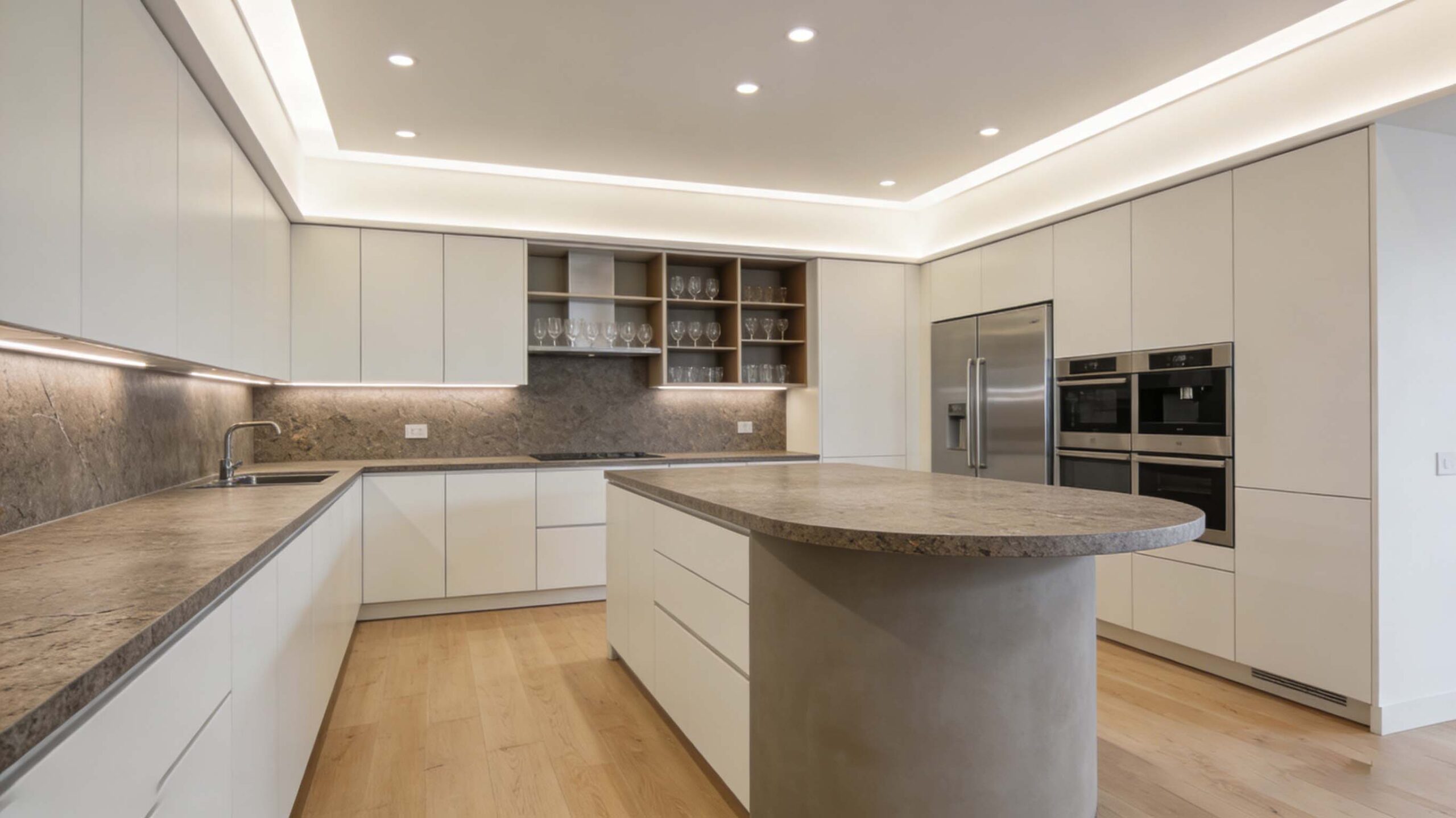
If you are buying marble for a luxury home, prioritize slab selection, consistency across visible surfaces, and how the marble lives with your lighting, cabinetry, and metal finishes. If you are sourcing for a hotel, widen the lens. You must think about replacement logic, cleaning protocols, guest turnover, long-term staining risk, and whether the marble can still look premium after repeated real-world use. In other words, the best marble is not just the most beautiful slab. It is the slab that keeps its dignity after six months of actual life. That is the part catalogs rarely mention.
Maintenance planning is especially important for white marbles in kitchens and bathrooms. Buyers who love bright marble but hate unpleasant surprises should understand <a href=”https://cssstone.com/what-ruins-white-marble-countertops-a-practical-damage-prevention-guide-for-real-homes/”>what ruins white marble countertops</a> before finalizing a specification. Acid exposure, careless cleaning chemistry, and unrealistic expectations do more damage to marble projects than the stone itself. Marble is a luxury material, but it still expects adult supervision.
Conclusion
The best marble types in the world for high-end homes and hotels are not “best” because they are rare, expensive, or fashionable on social media. They are best because they solve different luxury design problems well. Calacatta Gold and Statuario deliver prestige and visual force. Carrara and Arabescato offer timeless flexibility. Thassos brings disciplined purity. Crema Marfil brings warmth. Emperador Dark and Nero Marquina add depth and contrast. Verde Alpi introduces color confidence. Fior di Bosco creates calm sophistication.
In 2026, choosing marble well means thinking beyond the sample board. You need to consider emotional tone, application logic, maintenance behavior, fabrication quality, documentation, and supply chain reliability. The revised CPR environment in Europe, ongoing recognition rules in Great Britain, natural stone EPD and HPD development, and the wider health conversation around fabrication all point to the same conclusion: premium marble selection is becoming more intelligent, more documented, and more strategic.
For serious buyers, designers, and marble manufacturers, that is actually good news. It means the future belongs less to generic stone trading and more to informed specification. And that is exactly where high-end marble should live.
FAQs
1. Which marble type is best for a luxury hotel lobby?
The best marble for a luxury hotel lobby depends on the atmosphere the project wants to create. Calacatta Gold and Statuario are strong choices for a bright, prestigious first impression, while Nero Marquina, Emperador Dark, and Verde Alpi work well for moodier, more dramatic hospitality concepts. The right decision should be based on lighting, traffic, maintenance planning, and the emotional tone of the brand.
2. Is marble still a good choice for kitchen countertops in high-end homes?
Yes, marble is still a strong choice for high-end kitchens when the buyer understands its character and maintenance needs. Calacatta Gold, Statuario, Carrara, and Arabescato remain popular because they deliver a timeless luxury look that many engineered materials still struggle to replicate. The key is matching the marble type to the household’s lifestyle and sealing and caring for it properly.
3. What is the difference between Calacatta, Statuario, and Carrara marble?
Calacatta usually has a brighter white background with bolder, often warmer veining, making it feel more dramatic and luxurious. Statuario is also premium and white-based, but it often reads cooler, sharper, and more sculptural. Carrara typically has softer grey veining and a gentler overall appearance, which makes it more versatile and easier to use across larger areas.
4. How often should marble be sealed in homes and hotels?
Sealing frequency depends on the marble type, finish, location, and level of use. In private homes, many marble surfaces are reviewed annually and resealed as needed, while hotel applications may require more regular inspection because of heavier traffic and more frequent cleaning. Sealing should be treated as part of a broader maintenance plan rather than a one-time solution.
5. How can buyers verify marble quality before ordering from a supplier or factory?
Buyers should request slab videos, close-up photos, batch details, finish confirmation, and clear information about repairs, resin treatment, and consistency across the order. They should also inspect real slabs whenever possible instead of relying only on sample chips or edited catalog images. A reliable marble supplier or manufacturer should be able to explain origin, grading, application suitability, packaging standards, and lead time with confidence.
References
-
European Commission, Directorate-General for Internal Market, Industry, Entrepreneurship and SMEs, “New EU Rules on the Safety and Sustainability of Construction Products Mark a New Step for the Sector’s Competitiveness,” European Commission.
-
Department of Housing, Local Government and Heritage, “Construction Products Regulation 2024,” Government of Ireland.
-
UK Government, “Construction Products Reform White Paper,” GOV.UK.
-
National Kitchen & Bath Association, “KBIS Releases Annual 2026 Kitchen Trends Report,” NKBA.
-
Natural Stone Institute, “Natural Stone Institute Publishes First Industry-Wide Environmental Product Declarations and Health Product Declarations for Natural Stone,” Natural Stone Institute.
-
Alyson Fortner et al., “Engineered Stone and Silicosis,” NIOSH Science Bulletin, CDC.
-
Hospitality Net Editorial Team, “Hospitality Design Trends 2025: Emotional, Experiential, and Environmentally Conscious Spaces,” Hospitality Net.
-
Morgan Goldberg, “Neo Deco Is the Designer-Approved Trend of 2026,” Architectural Digest.
Marble Selection Insight for High-End Homes and Hotels in 2026
Why are marble types still central to luxury residential and hospitality design?
Marble remains central to luxury interiors because it offers something that highly manufactured materials often struggle to deliver: visual depth, natural individuality, and a lasting sense of architectural value. In high-end homes, marble helps create calm, layered, and timeless interiors that feel genuinely premium rather than temporarily fashionable. In hotels, it continues to signal prestige, permanence, and design confidence in lobbies, suites, spas, bars, and statement bathrooms. This is why marble is still one of the most powerful surface materials in the luxury sector.
What makes one marble type more suitable than another in real projects?
The right marble type depends on how the material will actually be used. A bold white marble such as Calacatta Gold may be ideal for a dramatic kitchen island or hotel reception wall, while a softer and more adaptable marble such as Carrara may perform better across larger areas where visual balance matters. Dark marbles such as Nero Marquina and Emperador Dark are often selected for atmosphere and contrast, while warm neutral marbles such as Crema Marfil help interiors feel more welcoming and less cold. The best marble choice is never only about popularity; it is about alignment between tone, function, maintenance, and brand expression.
How are global luxury design trends changing marble preferences in 2026?
Global luxury interiors are moving toward warmer palettes, richer textures, stronger natural material storytelling, and more emotionally engaging spaces. This shift is increasing demand for marble types that feel expressive yet timeless. White marbles remain essential, but green, grey, beige, and dark marbles are gaining more attention because designers want interiors that feel collected, layered, and memorable. Marble is no longer being used only as a polished luxury symbol. It is being used as a design language that helps shape mood, identity, and long-term visual relevance.
What options are buyers and specifiers prioritizing when sourcing premium marble?
Buyers are prioritizing marble options that offer more than surface beauty. They want slab consistency, application flexibility, reliable finish quality, and documentation that supports modern project requirements. In premium sourcing conversations, this means buyers increasingly prefer marble suppliers and manufacturers who can explain quarry origin, slab matching, finish options, packaging standards, fabrication recommendations, and project-specific suitability. The marble itself matters, but the supplier’s ability to guide the selection process is now part of the product value.
How are regulations and sustainability expectations affecting marble selection?
Marble selection is increasingly influenced by environmental declarations, traceability expectations, and broader construction product compliance frameworks. In export-oriented markets, buyers are paying closer attention to product information, declared performance, and sustainability positioning. This does not reduce the importance of beauty. It expands the definition of what makes marble valuable. A premium marble today is not only visually impressive; it is also easier to justify in specification, easier to document in procurement, and easier to position within high-end architectural narratives focused on quality and longevity.
What should buyers consider before choosing a marble supplier, manufacturer, or factory?
Buyers should look beyond polished sample boards and ask whether the supplier can support the full project lifecycle. That includes real slab visibility, batch consistency, finish clarity, packaging reliability, lead time control, maintenance guidance, and the ability to recommend the right marble for each application. A capable marble manufacturer or factory should also understand the difference between residential and hospitality use, because hotel projects require a different level of practicality, replacement planning, and operational realism than private homes.
Where is the luxury marble market heading next?
The luxury marble market is moving toward more informed, more selective, and more design-driven sourcing. Buyers are becoming less interested in generic stone trading and more interested in material credibility, emotional fit, and supplier intelligence. The future belongs to marble types that can combine timeless visual value with practical project relevance, and to suppliers who can explain not only what the marble is, but why it deserves a place in premium homes, hotels, and globally competitive interior projects.