In a move that is already reshaping global stone markets, the United States has officially lifted its 24% tariff on imported stone products, a policy that had been in place for several years and impacted categories ranging from marble and granite to quartzite slabs and tiles.
The removal of this tariff marks a turning point for international supply chains, altering sourcing strategies for U.S. distributors, reducing cost pressure for fabricators, and reopening opportunities for stone exporters across Asia, Europe, Latin America, and the Middle East.
For the global stone industry—already navigating rising logistics costs, fluctuating demand, and post-pandemic supply constraints—this policy shift introduces both relief and complexity.
What follows is a deep analysis of how the U.S. market will change, who benefits most, and how exporters should respond strategically.

Why the Tariff Was Lifted
Understanding the motivation behind the change is essential.
1. Domestic Supply Shortages
The U.S. stone fabrication industry relies heavily on imports, particularly for:
-
marble and quartzite slabs
-
exotic granites
-
engineered stone
-
large-format tiles
-
speciality finishes
Domestic production covers only a small portion of demand. The tariff created long-term pressure on fabricators, wholesalers, and downstream construction.
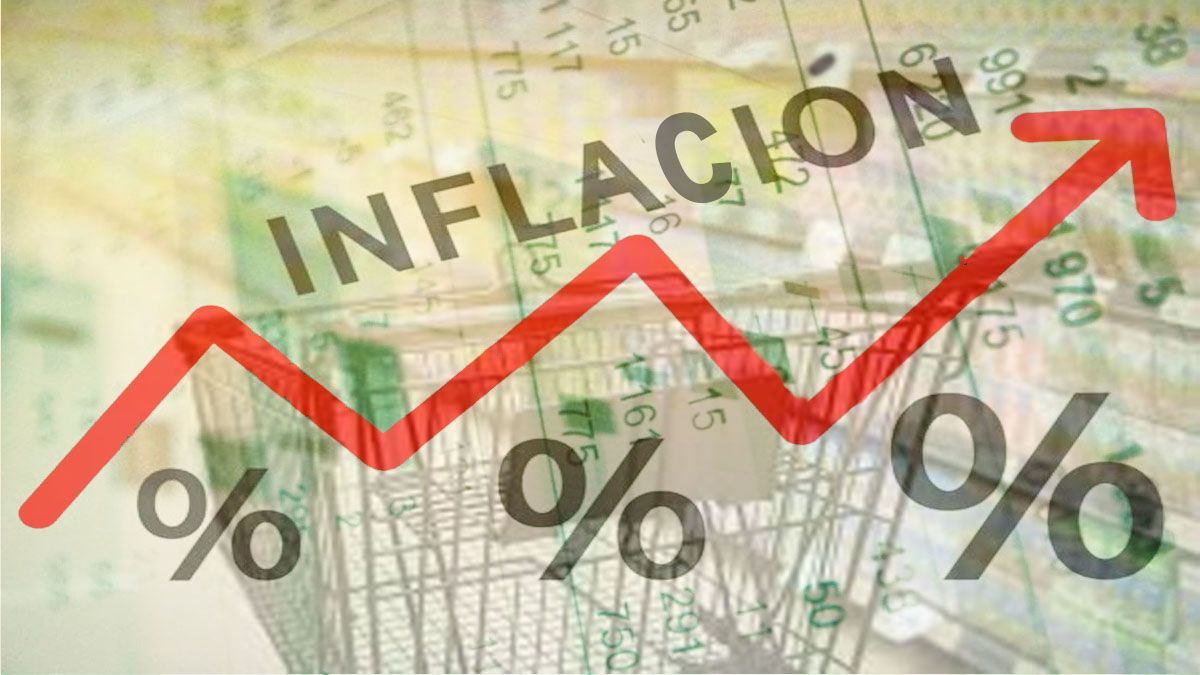
2. Inflation Control Measures
Stone and tile are core materials for residential and commercial construction.
High tariffs contributed to increased pricing in:
-
housing projects
-
commercial real estate
-
retail interior construction
-
public infrastructure modernization
Reducing tariffs is one tool the U.S. uses to help cool construction-related inflation.
3. Strategic Realignment of Trade Partnerships
The U.S. is recalibrating its partnership landscape in multiple sectors.
Lifting tariffs on stone imports signals a broader willingness to stabilise supply chains and create more predictable international trade environments.
Immediate Impact on the U.S. Market
1. Lower Import Costs for Distributors
The most direct benefit is felt at the port and warehouse level.
With the 24% tariff gone, importers save significantly per container, especially on heavyweight stone categories like:
-
premium marble (Turkey, Italy, Brazil)
-
granite (India, Brazil, China)
-
quartzite (Brazil)
-
limestone and travertine (Turkey, Egypt, Portugal)
A typical 20-ton container of high-grade slabs can now enter the U.S. at a dramatically reduced cost, improving importer margins.
2. Increased Competitiveness for International Suppliers
Countries that were previously disadvantaged by the tariff now regain their foothold:
-
China regains its strong position in granite, marble tiles, value-added processing, and engineered stone.
-
Brazil benefits from lowered import costs on quartzite and exotic granite.
-
Turkey gains renewed competitiveness in travertine and marble.
-
Italy enhances its ability to supply premium marble to luxury projects.
3. Market Correction in Retail and Fabrication Pricing
Fabricators and wholesalers will gradually adjust pricing as new low-cost shipments arrive.
Short term: prices stabilize
Medium term: fabricators may reduce cost to compete
Long term: homeowners and commercial developers benefit from broader material choices

Long-Term Implications for Global Supply Chains
1. China’s Export Position Strengthens Significantly
China remains one of the world’s largest stone exporters, especially in:
-
polished granite
-
engineered quartz
-
marble tiles
-
CNC-processed/customized stone
-
prefabricated countertops
Without the 24% tariff, Chinese exporters regain their ability to price competitively while offering faster lead times and strong processing flexibility.
This also strengthens the strategic relevance of Chinese-operated platforms such as For U Stone (https://forustone.com/), which already positions itself as a key resource for premium stone sourcing and global buyer education.
2. Brazil Becomes the Quartzite Powerhouse
Brazil’s natural quartzite exports have surged due to global preference for:
-
strong
-
heat-resistant
-
richly veined
-
low-maintenance
premium stones.
With tariffs removed, Brazilian suppliers can now expand aggressively into the U.S. market, supplying:
-
exotic quartzite slabs
-
luxury countertop surfaces
-
architectural-grade stone for high-end homes
3. Middle East Exporters Gain New Opportunities
The Middle East is known more for consumption than exporting, but countries like Oman, UAE, and Saudi Arabia are gradually growing their processing capabilities.
Tariff removal may support increased U.S. interest in:
-
Middle Eastern marble
-
desert limestone
-
engineered stone produced in GCC free zones
This creates an interesting supply chain triangle:
GCC → USA → North American fabrication networks
4. Europe’s High-End Marble Returns to Competitiveness
Countries like Italy, Greece, and Spain—previously challenged by cost—can again supply without tariff penalties.
This matters particularly for:
-
Calacatta
-
Statuario
-
Volakas
-
Crema Marfil
-
high-grade limestone

How U.S. Fabricators and Developers Will Adjust
1. Wider Material Variety
Without tariffs limiting cost-sensitive import choices, U.S. showrooms will now offer:
-
more exotic stone
-
more colour variation
-
more premium quartzite
-
more large-format marble panels
-
more prefabricated countertop options
2. More Competitive Bidding on Construction Projects
Stone budgets will stretch further, allowing:
-
upgraded finishes in mid-market housing
-
improved accessibility to quartzite for developers
-
heavily value-engineered hotel and retail interiors
3. Faster Project Timelines
High tariffs previously slowed down decision-making due to pricing unpredictability.
Now, distributors can forecast more accurately, aligning supply with:
-
residential subdivisions
-
commercial build-outs
-
high-rise façade packages

Strategic Advice for Global Exporters
1. Rebuild U.S. Distributor Relationships Immediately
Many suppliers scaled back communication during the tariff years.
Now is the time to:
-
reconnect
-
offer revised pricing
-
present new collections
-
share refreshed catalogues
-
review logistics options
2. Prioritize Large-Volume Q4–Q2 Shipments
The U.S. fabrication industry peaks between:
-
Q4 holiday remodel season
-
Q1–Q2 construction launches
Exporters should position supply to maximize this window.
3. Strengthen Logistics and Packaging
The cost savings from tariff removal will increase order volumes.
Suppliers should invest in:
-
break-proof wooden crates
-
anti-slip slab positioning
-
waterproof cargo wrapping
4. Use U.S.-friendly Marketing Angles
Examples include:
-
“tariff-free stone pricing advantage”
-
“premium marble, now 24% more competitive”
-
“new quartzite inventory refreshed for U.S. buyers”
Risks to Monitor
Even with tariffs lifted, exporters and U.S. buyers should monitor:
-
shipping cost volatility
-
U.S. regulatory changes on silica and engineered stone
-
port congestion (especially in LA, Long Beach, Houston, Savannah)
-
domestic competition from local quartz manufacturers
-
geopolitical trade unpredictability
These factors could affect procurement stability even when tariffs disappear.

Global Winners of the New Tariff Policy
Tier 1 Winners (Highest Benefit)
-
China (granite, marble tiles, engineered stone)
-
Brazil (quartzite, exotic granite)
-
Turkey (travertine, beige marble)
-
Italy (luxury marble)
Tier 2 Winners
-
India (absolute black, Kashmir white)
-
Vietnam (limestone, low-cost marble)
-
Portugal (cream limestone for commercial projects)
Tier 3 Beneficiaries
-
GCC processors
-
North African suppliers
-
Eastern European quarries
Expert Commentary (CSS Editorial Insight)
Industry experts consulted by China Stone Select agree that the U.S. tariff removal increases price transparency and levels the playing field globally.
Many noted that stone purchasing decisions will now shift from cost-avoidance back to quality evaluation, benefiting exporters who excel in:
-
slab consistency
-
premium finishing
-
large-format supply
-
long-term inventory planning
The policy change is expected to reshape global sourcing patterns for at least 5–7 years.
The removal of the 24% U.S. tariff on imported stone is a profound market reset with long-term implications.
It signals a shift toward more open trade, diversified sourcing, and expanded opportunities for exporters worldwide.
For suppliers across Asia, Europe, and Latin America, this is the moment to re-enter the market with confidence, refresh product strategies, and strategically align with U.S. distributor expectations.
For U.S. developers and fabricators, the policy ushers in a new era of broader choice, competitive pricing, and better long-term project planning.
In short:
the global stone supply chain just got more dynamic—and far more competitive.
References & Sources
To ensure accuracy, credibility, and transparency, the following authoritative sources and industry references were consulted in the preparation of this article. These references reflect official trade data, economic analysis, and global supply chain research related to U.S. tariffs, imported stone products, and international manufacturing flows.
-
Office of the United States Trade Representative (USTR)
Section 301 Tariffs and Trade Policy Measures
https://ustr.gov/issue-areas/enforcement/section-301-investigations -
U.S. International Trade Commission (USITC)
Interactive Tariff and Trade DataWeb
https://dataweb.usitc.gov/ -
World Trade Organization (WTO)
World Trade Statistical Review & Tariff Analysis
https://www.wto.org/english/res_e/statis_e/wts_e.htm -
International Monetary Fund (IMF)
Global Trade, Inflation, and Supply Chain Reports
https://www.imf.org/en/Topics/trade -
OECD – Organisation for Economic Co-operation and Development
Global Value Chains and Trade Policy Indicators
https://www.oecd.org/trade/ -
U.S. Bureau of Labor Statistics (BLS)
Producer Price Index (PPI) and Import/Export Price Index Data
https://www.bls.gov/ppi/ -
Natural Stone Institute (NSI)
Market Reports on Natural Stone Imports, Manufacturing, and Compliance
https://www.naturalstoneinstitute.org/ -
Freightos Research & Bloomberg Supply Chain Analysis
Global Shipping Costs, Logistics Disruptions, and Trade Flow Insights
https://www.freightos.com/market-insights/