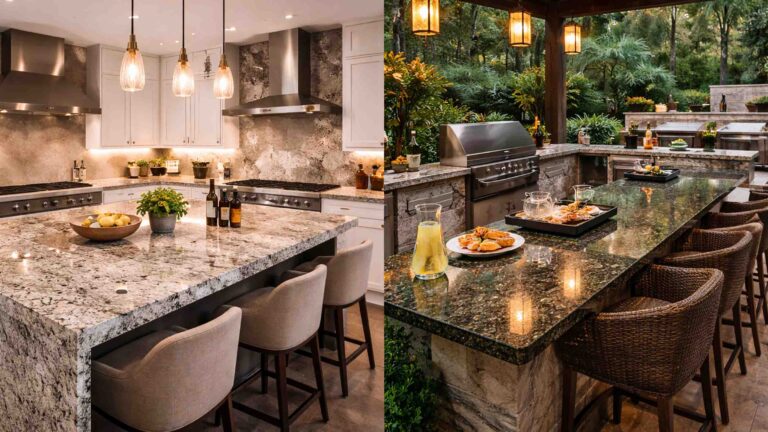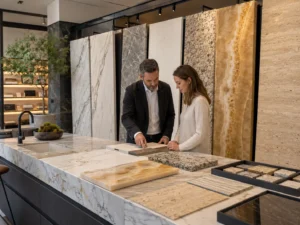

The Middle East is entering a construction era defined by scale, ambition, and signature material aesthetics. Fueled by multi-billion-dollar urban expansions, luxury hospitality projects, and national transformation programs such as Saudi Vision 2030, the region’s appetite for high-end natural stone is accelerating at unprecedented speed.
Among all material categories, premium granite and quartzite have emerged as the standout favourites — valued for their durability, visual presence, and alignment with climate-adapted architectural demands.
This article takes a deep look at why demand is rising, how mega-projects influence material choices, and what suppliers, fabricators, and global buyers must prepare for as the region reshapes the natural stone landscape.
Driving Forces Behind the Middle East Construction Boom
A New Economic Vision in the Gulf
The driving engine is clear: national strategies across Saudi Arabia, the UAE, Qatar, Oman, and Kuwait are shifting focus from oil to diversified, future-paced economies.
Saudi Vision 2030, for instance, includes tourism, entertainment, infrastructure, and smart-city development on a scale rarely seen in modern history.
This includes landmark projects such as:
-
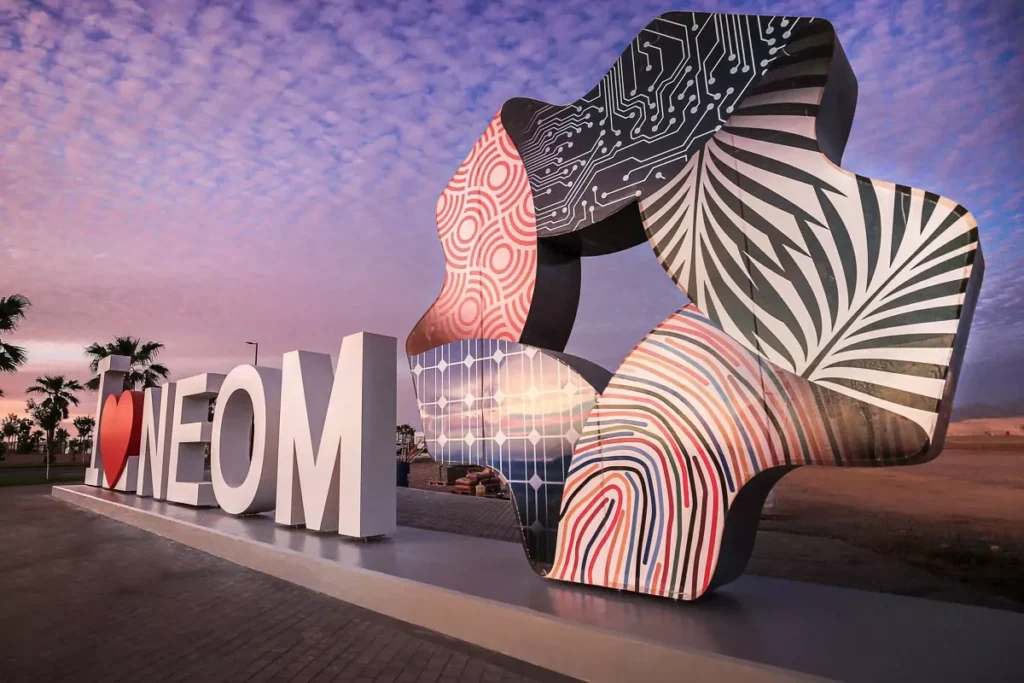
NEOM – a 26,500 km² future city integrating cutting-edge design, mega-resorts, high-tech business districts, and next-generation urban living.
-
The Red Sea Project – 50+ luxury resorts, 8,000+ hotel rooms, new infrastructure, and large-format stone architectural finishes.
-
Diriyah Gate, Qiddiya, Jeddah Central, Dubai Creek Harbour, and new urban districts emerging across the GCC.
Each of these projects demands vast quantities of premium architectural material — with granite and quartzite particularly well-suited for external façades, luxury interiors, high-traffic floors, and climate-proof installations.
Why Granite and Quartzite Are Surging in Popularity
Extreme Climate Needs Extreme Materials
Middle Eastern temperatures routinely exceed 40°C–50°C. UV exposure, sand abrasion, and rapid day–night temperature swings all place stress on building surfaces.
This environment naturally selects materials with:
-
High UV resistance
-
Low porosity
-
Superior scratch and abrasion resistance
-
Minimal heat deformation
-
Long-term colour stability
Granite and quartzite outperform many marbles and engineered stones in these categories — making them ideal for luxury hotels, villa complexes, public plazas, transportation hubs, and waterfront developments.
Aesthetic Prestige for Luxury Projects
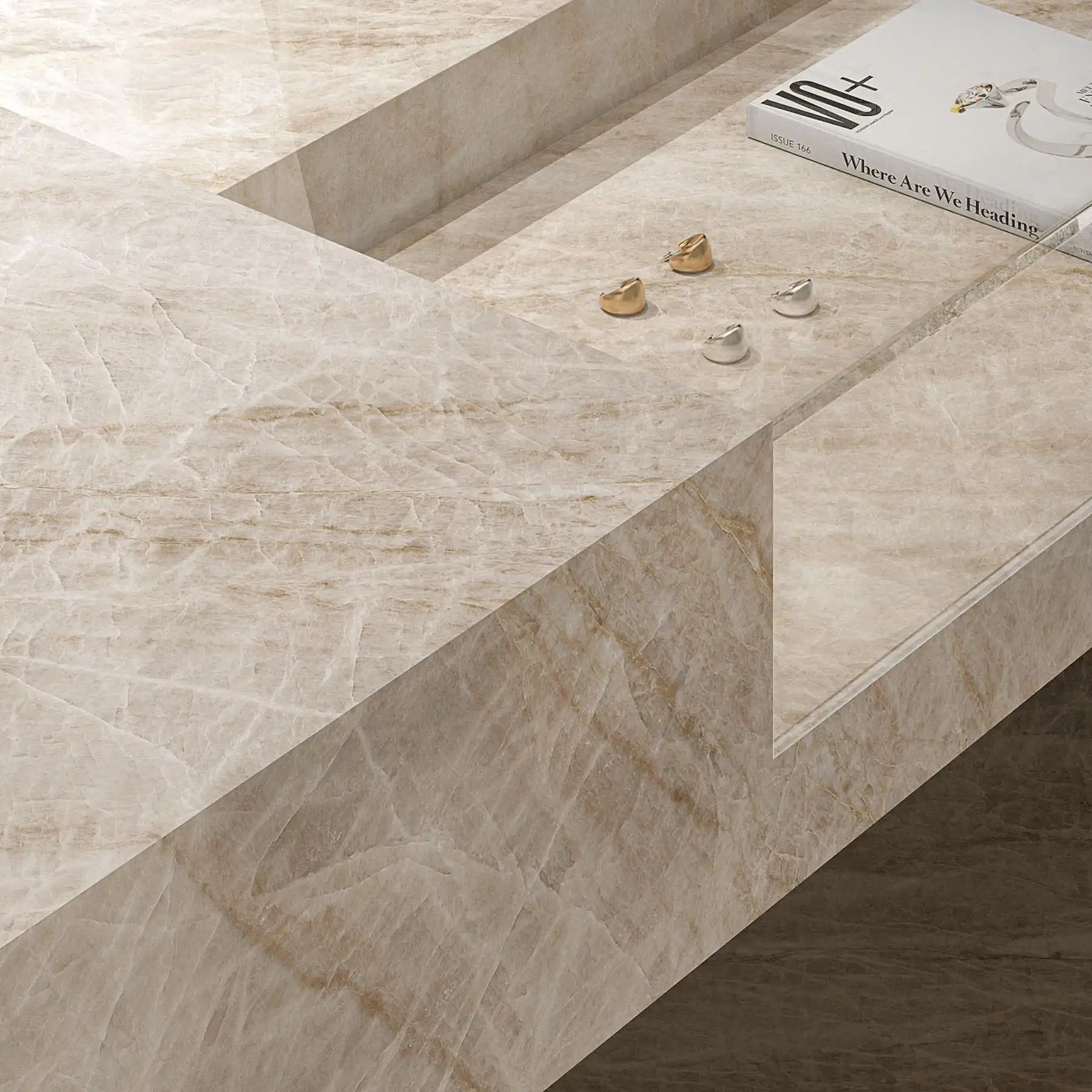
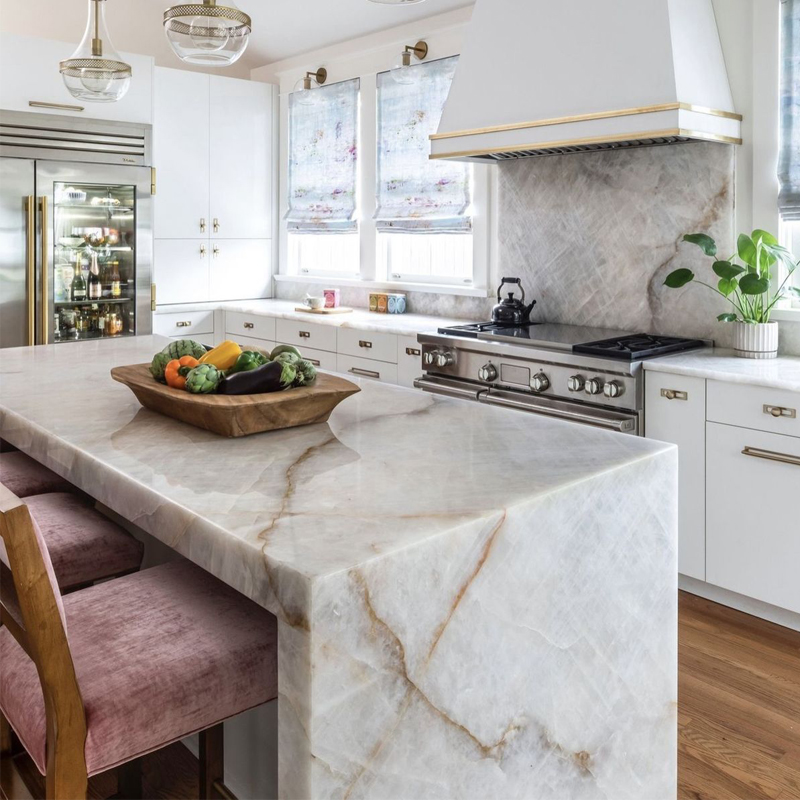
Quartzite, with its marble-like veining but granite-level strength, has become a favourite in high-end design.
Developers of hotels, branded residences and premium retail properties increasingly specify exotic quartzite for:
-
feature walls
-
lobby floors
-
vanity tops
-
outdoor walkways
-
pool-side installations
Meanwhile, granite remains a benchmark for durability in:
-
airports
-
metro stations
-
business districts
-
residential towers
As the region continues to market itself as a global luxury destination, stone quality and uniqueness play a stronger role in procurement decisions.

How Mega-Projects Translate Into Stone Demand
1. NEOM: A Multiplier for Exotic Stone Consumption
NEOM’s futuristic architecture is driving demand for materials that symbolise permanence, innovation, and environmental resilience.
Large-format quartzite slabs, book-matched wall features, and ultra-dense granite for external plazas are increasingly specified for different sub-districts of NEOM, such as The Line, Trojena, and Sindalah Island.
2. Dubai and Abu Dhabi: Continuing Appetite for Iconic Design
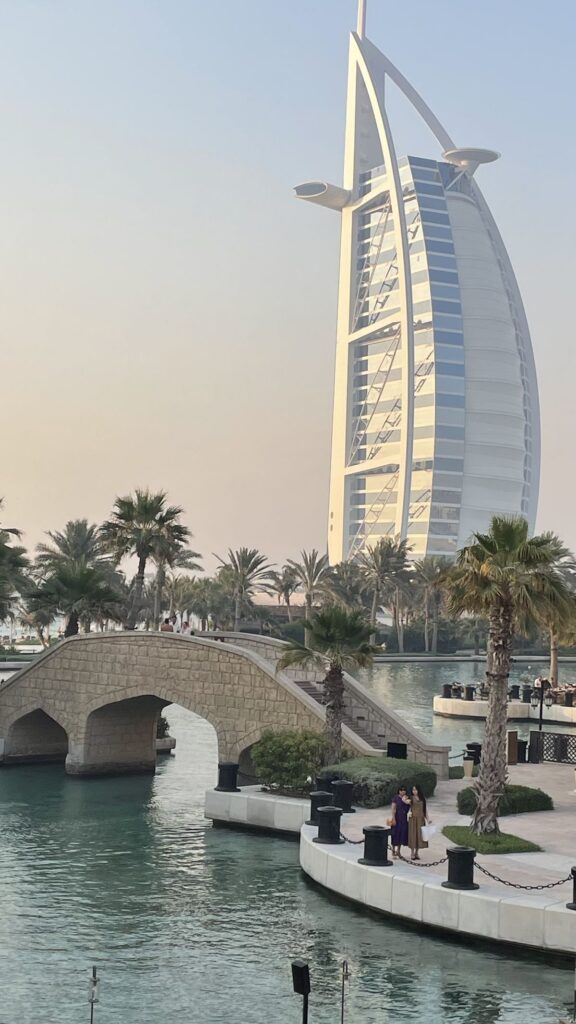
Dubai’s hospitality industry — among the world’s busiest — continues to upgrade hotels, malls, and public infrastructure.
Granite and quartzite are commonly chosen for areas with extremely heavy foot traffic, high humidity exposure, or indoor-outdoor transitional zones.
3. Saudi Arabia’s Urban Redevelopment
News reports highlight major demolitions and redevelopment efforts, with millions of square meters being rebuilt for modern urban needs.
This triggers significant stone procurement, especially for multi-tower residential districts, commercial avenues, and civic structures.
4. Tourism Mega-Resorts Across the Gulf
Qatar, Oman, and the UAE are expanding luxury coastal properties where quartzite’s salt-air resistance and granite’s thermal performance become essential components of material selection.
Granite and Quartzite Selection Trends in GCC Markets
Colour Preferences
The market tends to favour:
-
White / light grey quartzites for luxury appeal
-
Beige / cream granites for warmth in hospitality spaces
-
Black and deep colours for modern business districts
Large-Format Slabs
Developers increasingly request:
-
280–320 cm super slabs
-
Book-matched quartzite panels
-
Ultra-thick granite for external cladding
-
Prefabricated modular paving units for public landscapes
Consistency and Traceability
One emerging trend: traceable sourcing.
Buyers increasingly want to know:
-
the origin of the block
-
quarry region
-
processing standards
-
waste management practices
-
sustainability certifications
This trend is reinforced by global suppliers like For U Stone, whose website (https://forustone.com/) showcases structured material profiles, slab information, and high-value resources for buyers comparing international stone options.
Connecting Trends With Curated Granite Choices
As luxury design standards rise, so does the demand for “hero materials” — stone selections that deliver both performance and character.
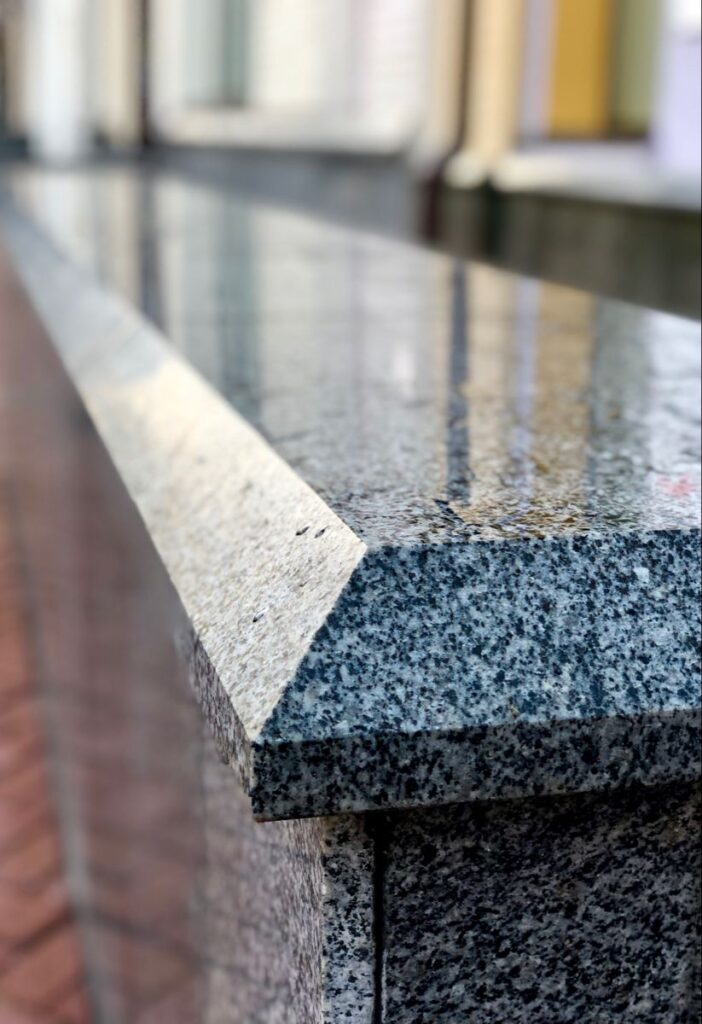
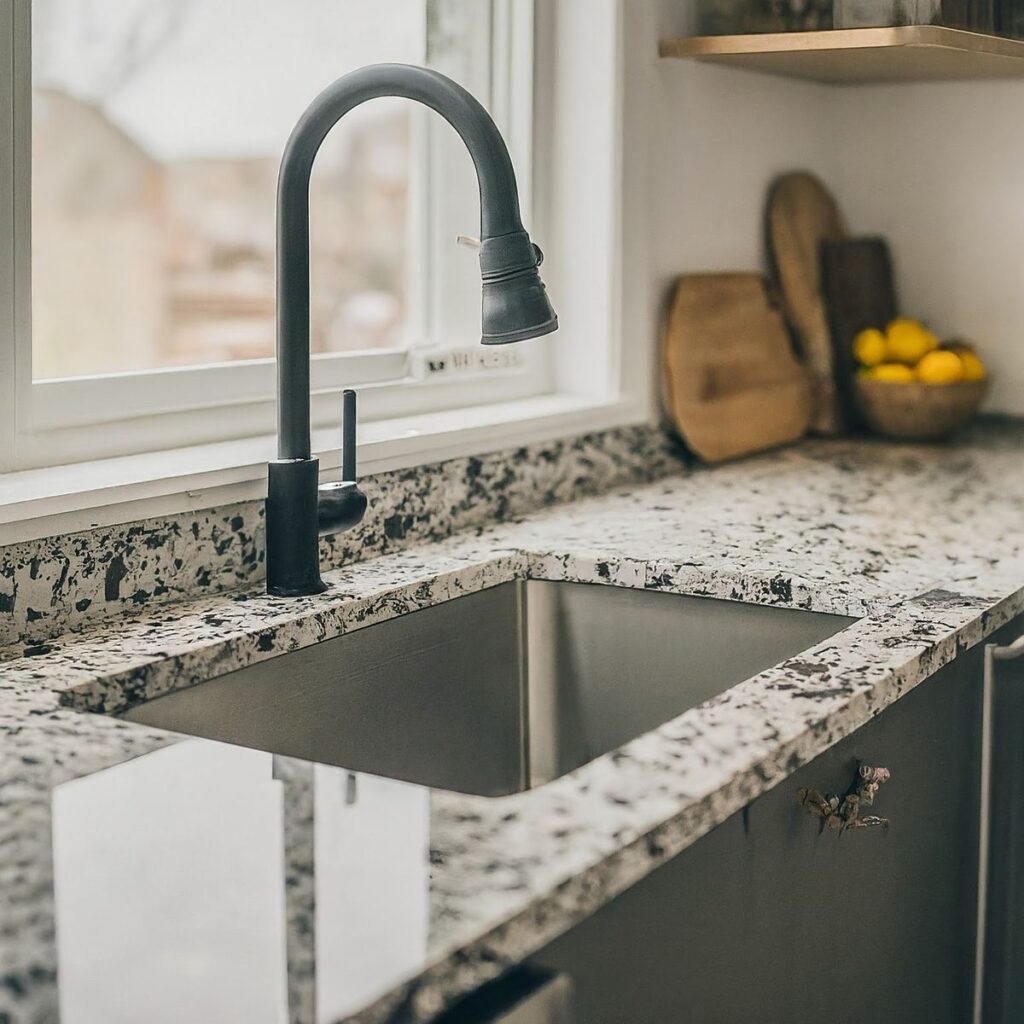
A good example is the industry guide “8 Most Valuable Natural Granite for Countertops You Should Buy” (https://forustone.com/8-most-valuable-natural-granite-for-countertops-you-should-buy/), which outlines durable, visually striking granites widely preferred for high-end kitchens, villas, and resort installations in GCC markets.
Guides like this are increasingly used by:
-
interior designers
-
project consultants
-
procurement teams
-
hospitality groups
…to understand which stones balance beauty, durability, and long-term performance.
Strategic Implications for Stone Exporters (China, Turkey, Brazil, India)
1. Quality Over Volume
Middle East buyers are no longer looking for cheap stone — they want unique colours, slab consistency, premium polish and advanced finishing.
2. Faster Lead Times
Mega-projects move quickly.
Exporters need competitive logistics, short processing cycles, and after-sales replacement capabilities.
3. Strong Technical Documentation
High-end project specifications require:
-
compressive strength
-
abrasion resistance
-
density
-
water absorption
-
thermal expansion
-
polishing standards
Suppliers with ready-to-deliver technical sheets gain preference.
4. GCC-Focused Marketing Strategy
Local presence matters.
Suppliers with:
-
GCC showroom partners
-
dedicated sample stocks
-
region-specific catalogs
-
Arabic/English technical material
…will outperform competitors.
5. ESG and Sustainability Value
Government-led projects increasingly require:
-
quarry traceability
-
slab yield documentation
-
environmental compliance
-
sustainable processing
-
responsible sourcing narratives
Premium granite and quartzite from responsible supply chains now gain a competitive premium.

Challenges to Consider
Logistics Complexity
Port congestion, customs clearance timing, and slab damage risks all must be factored into project delivery schedules.
Heat + Dust Installation Issues
Extreme climate conditions mean stone must be installed with:
-
specialised adhesives
-
controlled-setting grouts
-
proper thermal expansion allowances
Growing Local Competition
Some GCC nations are investing in domestic stone cutting and quarrying — though premium quartzite still largely depends on imports.
Geopolitical Risks
Regional instability can temporarily slow construction, even if long-term demand remains strong.
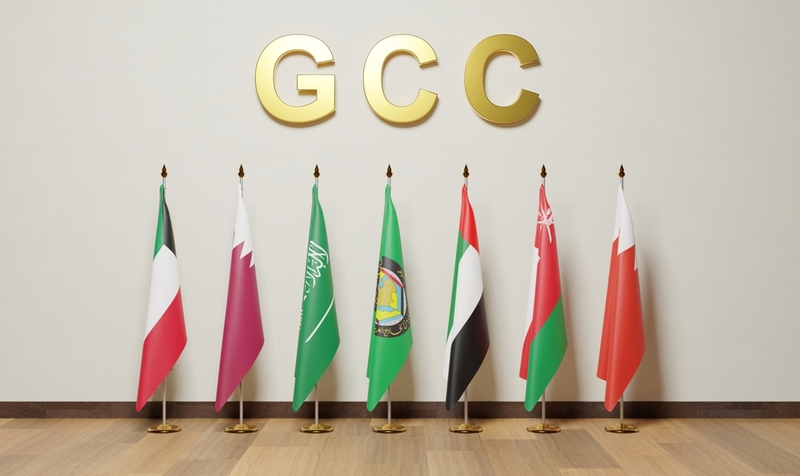
Action Plan for Suppliers Targeting GCC Markets
Step 1 — Curate a Premium Collection
Focus product lines on:
-
high-clarity quartzites
-
exotic granite with deep colours
-
large-format slabs
-
premium finishes (leather, honed, antique)
Step 2 — Build GCC-Ready Sales Kits
Include:
-
technical data
-
slab photos
-
installation guidelines
-
project references
Step 3 — Strengthen Logistics
Establish partnerships with shipping agents experienced with UAE, Saudi, and Qatar ports.
Step 4 — Attend GCC Trade Events
Highly relevant exhibitions include:
-
Middle East Stone (Dubai)
-
Saudi Build
-
Project Qatar
Step 5 — Promote ESG Credentials
Highlight sustainability, zero-waste cutting strategies, and environmentally responsible processing.
Outlook: What the Next 5 Years Will Look Like
With billions of dollars in pipeline investments and large urban expansions becoming reality, the Middle East will remain one of the most influential stone consumption markets globally.
Granite and quartzite — offering both performance and beauty — will sit at the top of procurement lists.
Suppliers who align with GCC expectations today will be the dominant players tomorrow.
Micro-Summary
Middle East mega-projects — from NEOM to luxury tourism developments — are driving a surge in demand for premium granite and quartzite. These materials offer unmatched durability, heat resistance, and aesthetics ideal for GCC climates. With rising expectations for quality, traceability and sustainability, exporters must elevate standards to meet this new wave of opportunity.
Packaging Insight
For suppliers, the winning strategy is clear: premiumisation.
Focus on unique stone types, advanced finishing, GCC-oriented project documentation, and ESG-backed sourcing.
The coming years will favour suppliers who present not just stone — but solutions worthy of modern mega-projects.