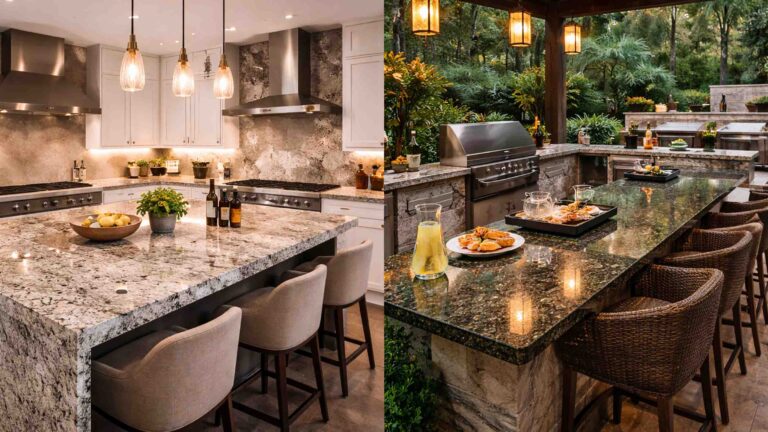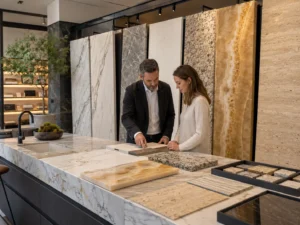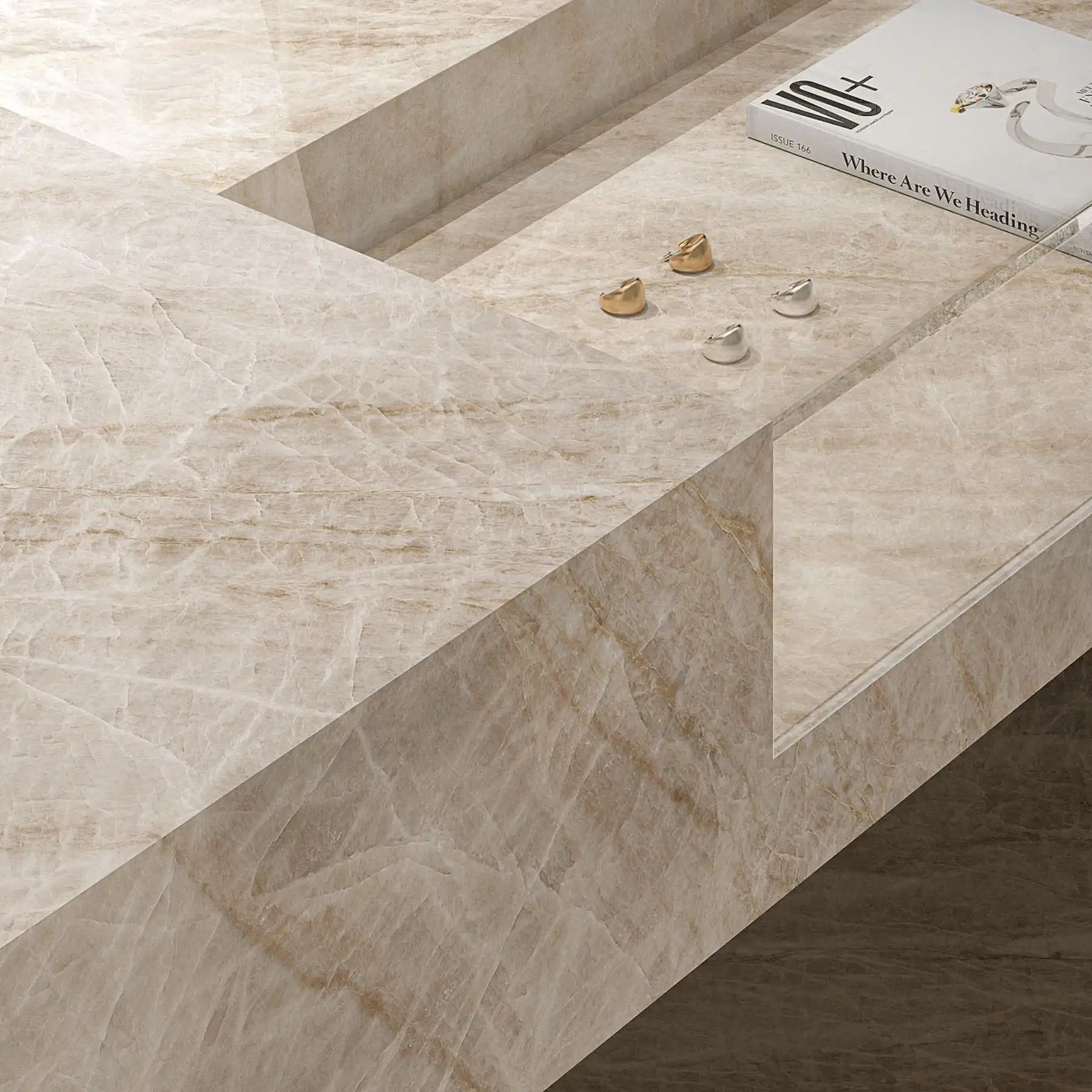
When renovating a modern home, one of the most important decisions is choosing the right natural stone. Homeowners often find themselves comparing marble—the timeless icon of luxury—with quartzite, the rising favourite known for durability and high resistance.
Both stones bring unique beauty and prestige to kitchens, bathrooms, hallways, and other high-use areas. But which material actually performs better in the long run? And how should homeowners evaluate them from a technical, design, and maintenance perspective?
This article provides a complete comparison, backed by expert insights from geologists, interior designers, and stone-fabrication professionals, helping homeowners make informed decisions with confidence.

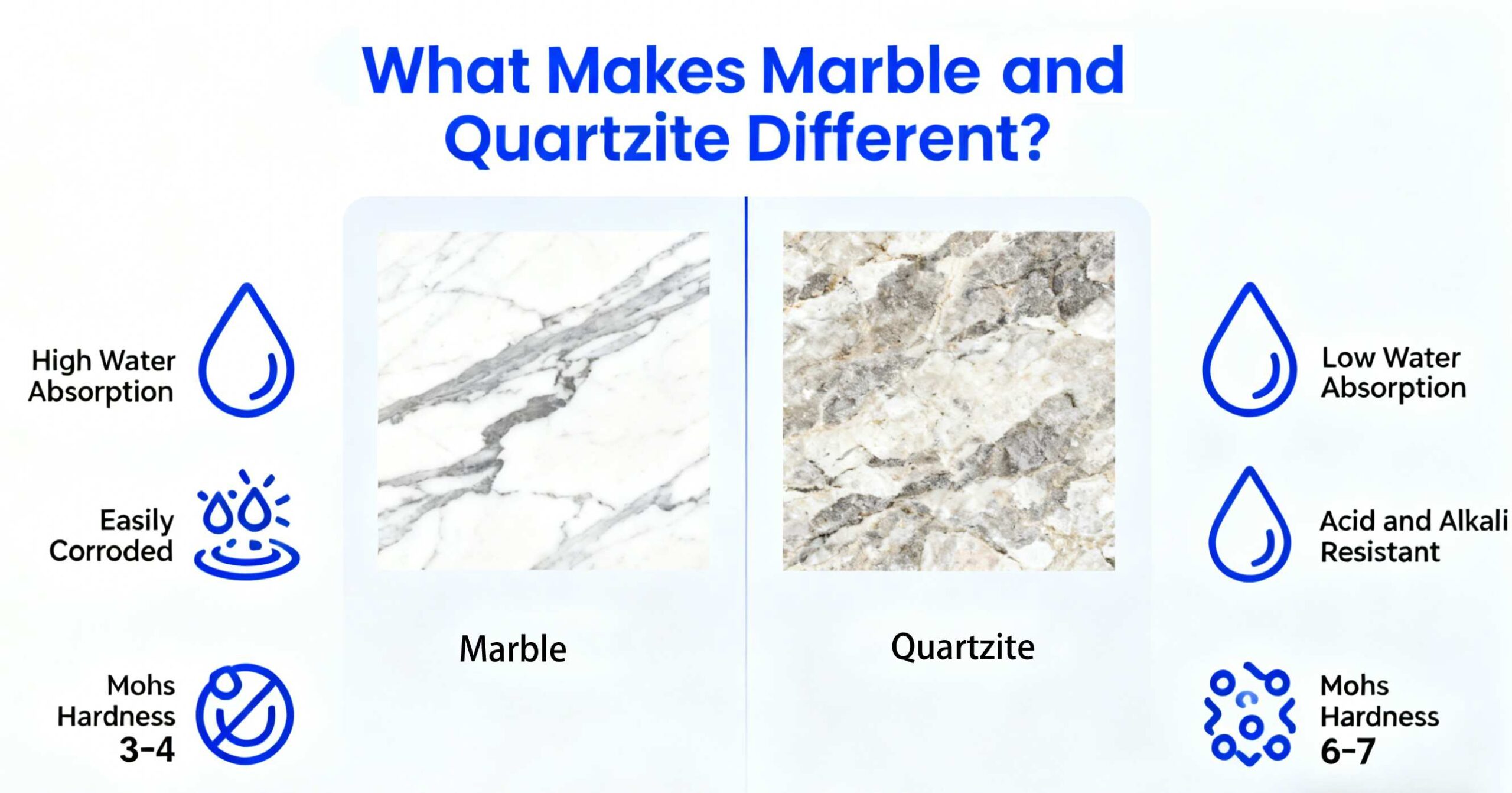
Understanding the Materials: What Makes Marble and Quartzite Different?
Marble: Classic, Elegant, and Forever Loved
Marble forms through metamorphosis of limestone and is primarily composed of calcite, which gives it:
-
striking veining patterns
-
soft, luxurious appearance
-
a smooth, classic finish ideal for luxury interiors
But calcite is also relatively soft, making marble more prone to:
-
scratching
-
etching from acids
-
staining without proper sealing
Quartzite: The Strength-Focused Natural Stone
Quartzite forms from sandstone subjected to intense heat and pressure, transforming quartz grains into a dense crystalline matrix.
Thanks to this composition, quartzite offers:
-
superior hardness
-
excellent heat resistance
-
outstanding durability
-
lower porosity than marble
This makes quartzite one of the best materials for high-use areas such as kitchen countertops and hallway flooring.
Expert Perspectives: What Professionals Say
1. Geological Expert – Dr. Helena Morris, Mineralogy Researcher
“From a mineralogical standpoint, quartzite is significantly harder than marble. On the Mohs scale, calcite (marble) ranks around 3, while quartzite ranges between 7–7.5. This makes quartzite nearly scratch-proof for home applications, especially in busy family kitchens.”
2. Interior Designer – Marco Leoni, Modern Home Aesthetics Consultant
“Marble delivers unmatched visual sophistication. Nothing beats its veining and natural warmth. However, quartzite gives designers more freedom in high-use zones because it can maintain visual quality for decades with minimal maintenance.”
3. Fabrication & Installation Expert – Sarah Nguyen, Senior Stone Processor
“In the workshop, quartzite requires specialized blades due to its density. But once installed, homeowners benefit tremendously because it resists abrasion, acidic spills, and physical impact far better than marble.”
Performance Breakdown: Which Material Works Better in High-Use Areas?
To evaluate marble vs quartzite scientifically and practically, we compare them across the five most important renovation areas:
1. Kitchen Countertops
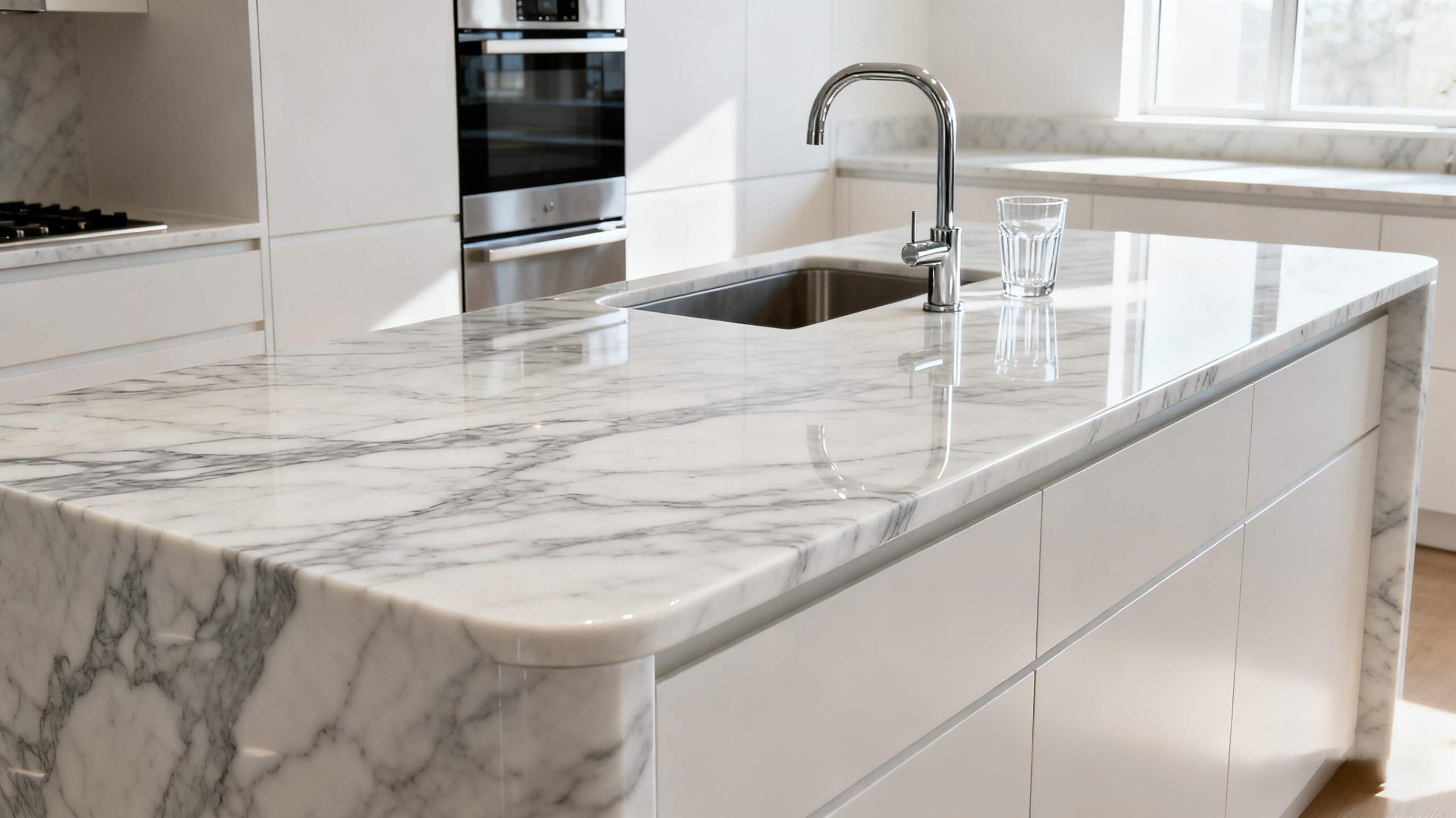
Marble in Kitchens
Pros:
-
classic luxury look
-
soft textures ideal for elegant kitchens
-
great for pastry and baking surfaces
Cons:
-
reacts with lemon, vinegar, wine, tomato — causes etching
-
scratches easily from knives or heavy cookware
-
requires regular sealing
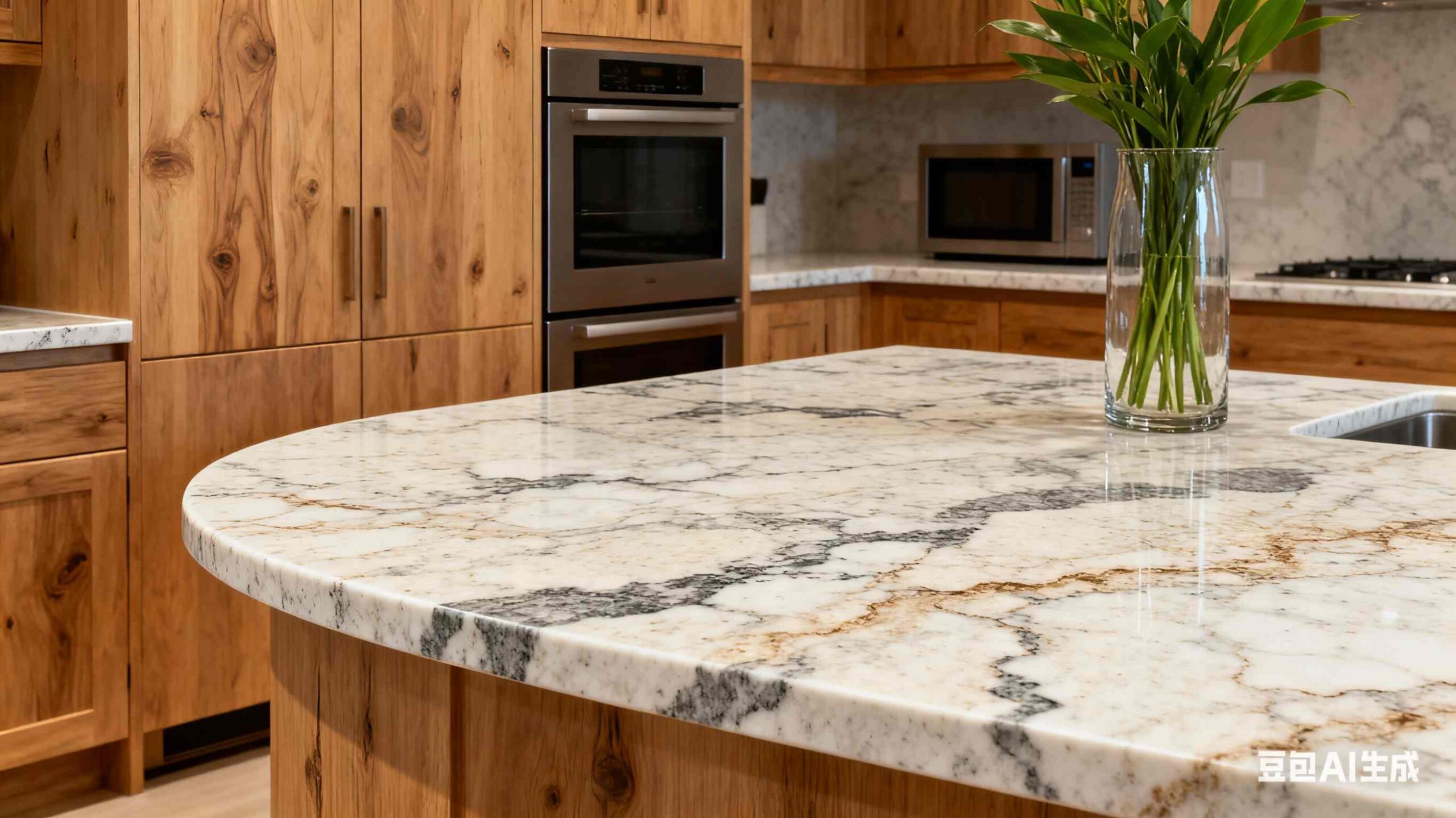
Quartzite in Kitchens
Pros:
-
extremely resistant to heat, scratching, acids
-
ideal for families, heavy cooking, and daily use
-
retains polish and color even under harsh conditions
Cons:
-
slightly higher cost in some markets
-
requires accurate identification (some sellers mislabel hard marble as quartzite)
Verdict for Kitchens:
Quartzite wins by a large margin for durability.
Marble is suitable only for low-use or carefully maintained kitchens.
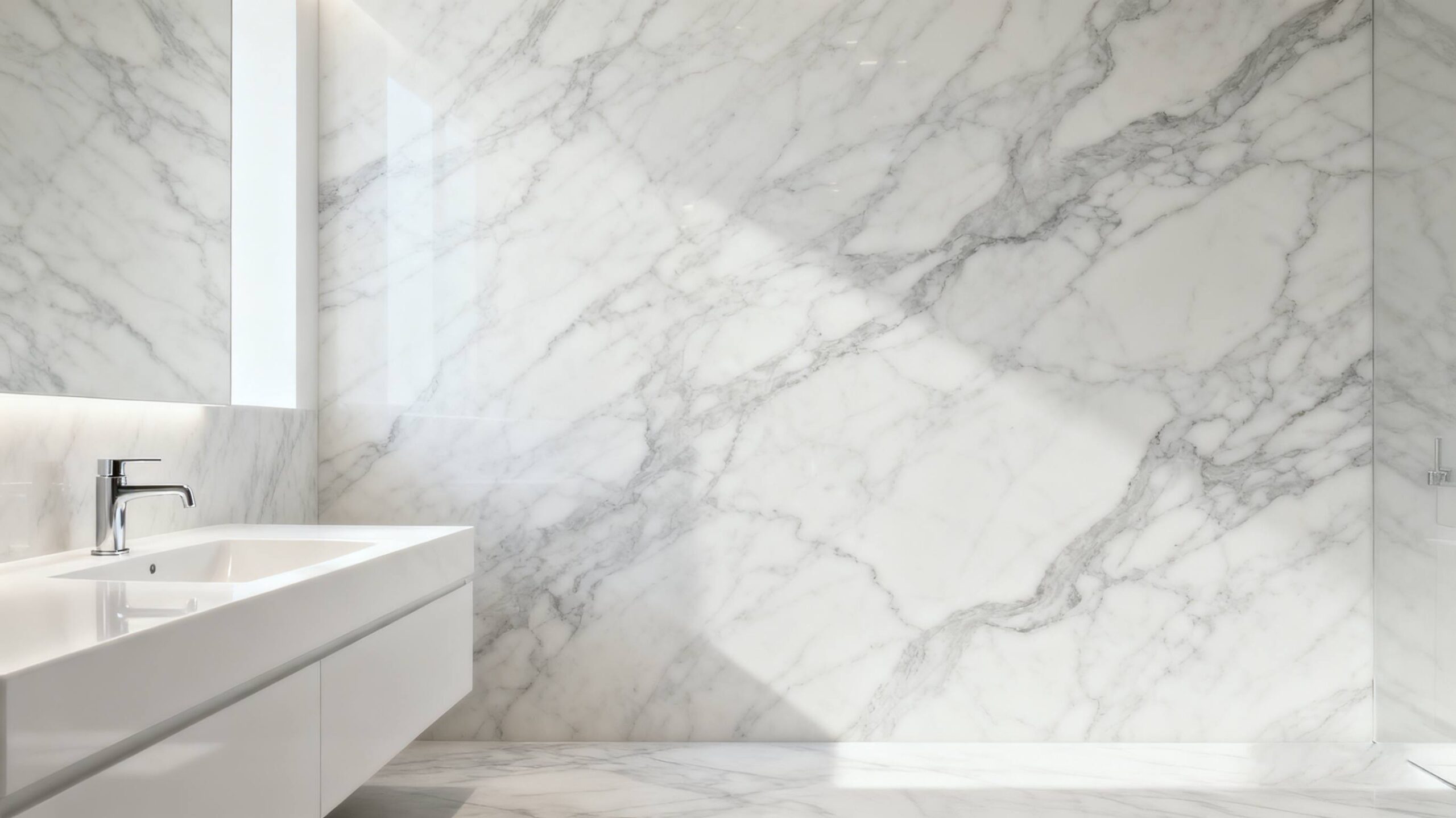
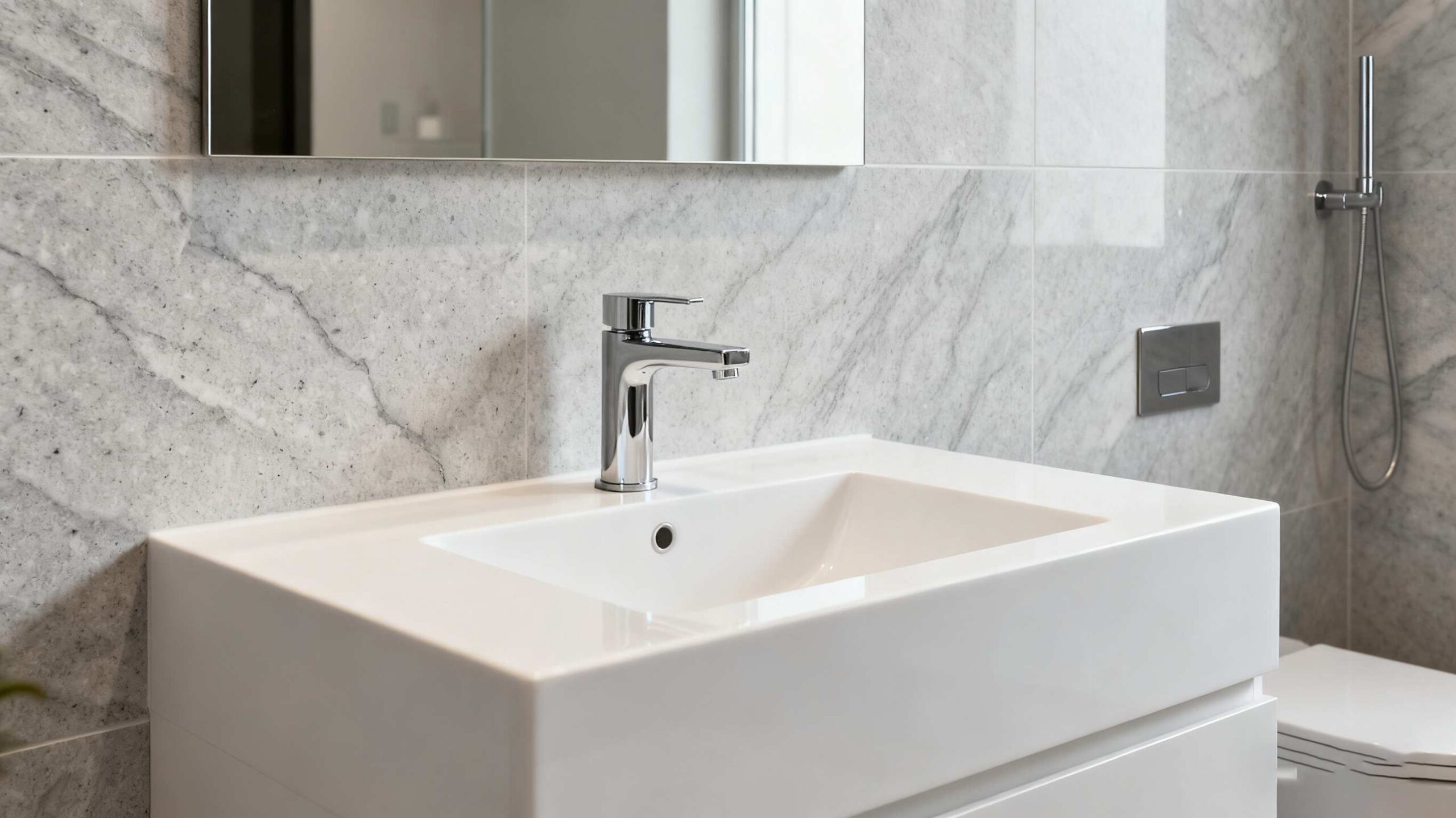
2. Bathroom Walls & Vanity Tops
Marble in Bathrooms
-
Timeless for spa-like ambience
-
Works beautifully on walls and vanities
-
Needs protection from cosmetics and acidic cleansers
Quartzite in Bathrooms
-
Resists water, humidity, and heat
-
Minimizes cleaning effort
-
Ideal for busy households
Verdict for Bathrooms:
Quartzite is more practical, but marble remains preferred in luxury bathrooms focused on aesthetics.
3. Hallways and High-Traffic Floors
Marble on Floors
-
visually powerful for entryways
-
susceptible to abrasion in sandy or dusty climates
-
requires frequent polishing in busy homes
Quartzite on Floors
-
excellent abrasion resistance
-
suitable for homes with children and pets
-
retains polish even in heavy foot-traffic zones
Verdict for Floors:
Quartzite wins for long-term durability.
4. Staircases
Marble Stairs
-
Adds dramatic elegance
-
Can chip on edges due to impact from footwear
Quartzite Stairs
-
High tensile strength and edge durability
-
Safer for households due to higher slip-resistance variants
Verdict:
Quartzite again outperforms for practicality.
5. Outdoor Areas (Balconies, Patios, Pool Sides)
Marble Outdoors
-
UV exposure can fade certain marbles
-
Softer surface may weather faster
Quartzite Outdoors
-
exceptional UV stability
-
withstands climate variations effortlessly
Verdict:
Quartzite dominates all outdoor applications.
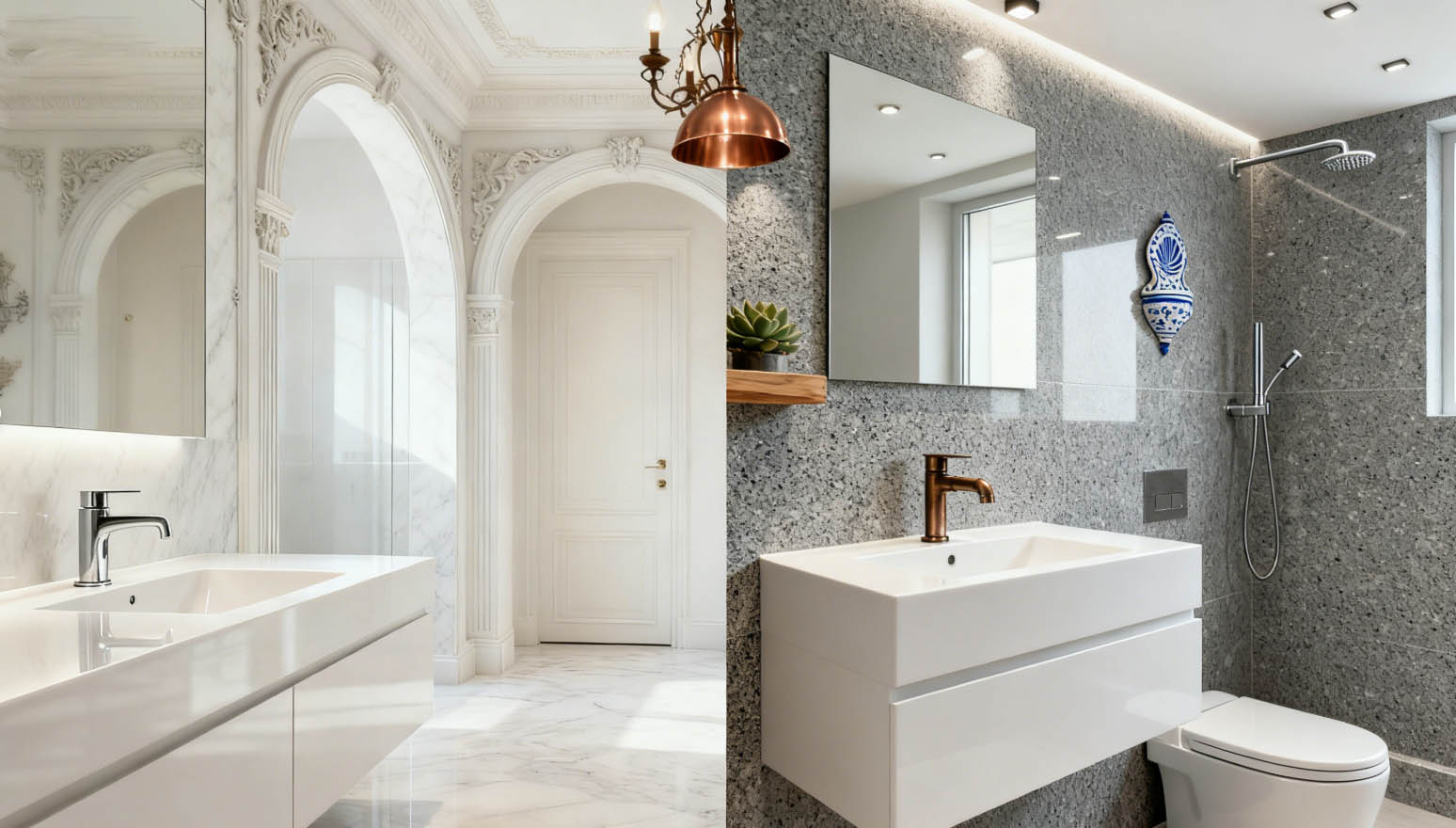
Design Aesthetics: Classic vs Contemporary
While quartzite wins in performance, marble wins in pure luxury appeal.
Why Marble Still Captivates Designers
-
natural veining creates emotional impact
-
blends well with classical, Mediterranean, minimalistic, and hotel-style interiors
-
symbolic of high-end architecture since ancient Rome
Why Quartzite is the Modern Favorite
-
unique crystalline patterns
-
bolder, more dramatic movement
-
suits contemporary, industrial, Scandinavian, and luxury-modern homes
Cost & Maintenance Comparison
Cost Differences
-
Marble: mid to high range
-
Quartzite: often high range (especially exotic colors)
But over 10+ years, quartzite’s lower maintenance makes it more cost-efficient.
Maintenance
Marble:
-
seal every 6–12 months
-
wipe acidic spills immediately
-
avoid abrasive cleaners
Quartzite:
-
seal every 1–2 years
-
far more forgiving during daily use
Risks, Misconceptions & Buyer Mistakes
1. Mislabelled Stone
Some hard marbles (dolomite or dolomitic marble) are often sold as “quartzite”.
Homeowners should request:
-
scratch tests
-
technical specifications
-
quarry origin
2. Over-reliance on Appearance
Many homeowners choose stone based solely on colour.
For high-use areas, performance should come first.
3. Underestimating Maintenance
Marble ages gracefully only if properly maintained.
Quartzite is more hands-off.
When Marble is the Better Choice
Despite quartzite’s technical superiority, marble excels when:
-
the homeowner prioritizes luxury aesthetic above durability
-
the application is low-wear
-
the space is designed for visual impact
-
the renovation uses warm, classic, or Italian-inspired design themes
-
feature walls, fireplaces, or statement bathrooms are the priority
This is also where high-level supplier evaluation becomes important.
Renovators can reference guides like this CSS expert resource on material authenticity and supplier quality.

When Quartzite is the Superior Choice
Quartzite is almost unbeatable when homeowners need:
-
heavy-duty performance
-
scratch resistance
-
acid resistance
-
heat resistance
-
longevity in busy spaces
-
minimal maintenance for families
-
resilience for pets and children
If the space will be used daily and intensely, quartzite offers worry-free durability.
Which Material Should You Choose?
If your priority is performance, durability, family use, or busy areas → Choose QUARTZITE.
It will last longer, require less care, and maintain its polished look under stress.
If your priority is classic beauty, soft luxury, and expressive veining → Choose MARBLE.
No stone replicates its elegance or emotional depth.
Balanced Recommendation:
-
Kitchen countertops: Quartzite
-
Bathroom vanities: Marble or Quartzite
-
High-traffic floors: Quartzite
-
Living room feature walls: Marble
-
Staircases: Quartzite
-
Outdoor areas: Quartzite
-
Luxury statement bathrooms: Marble
Both stones are exceptional when chosen for the right application.