Silver Shadow Marble is a refined grey marble chosen for spatial balance rather than visual dominance.
Positioned between white and dark grey stones, it offers low-contrast movement, stable tonality, and strong compatibility with modern architecture.
In 2025, its growing relevance is driven by demand for calm interiors, long-term visual comfort, and materials that support design longevity instead of short-term trends.
Successful applications depend less on dramatic appearance and more on finish selection, lighting context, and realistic use expectations.
Why Silver Shadow Marble Is Gaining Ground in 2025
In recent years, the global stone market has witnessed a quiet but decisive shift. While bold veining and dramatic color contrast once dominated design conversations, many architects and developers are now moving in the opposite direction—toward controlled, low-noise surfaces that support long-term spatial comfort.
This is where Silver Shadow Marble has begun to stand out.
Neither stark white nor dark grey, Silver Shadow Marble occupies a carefully balanced middle ground. Its soft silver-grey background, subtle layered movement, and restrained tonal variation make it especially suitable for contemporary interiors that prioritize atmosphere over spectacle.
Rather than competing for attention, Silver Shadow Marble is increasingly chosen to stabilize space, allowing architecture, light, and form to speak more clearly.
Geological Character and Visual Identity
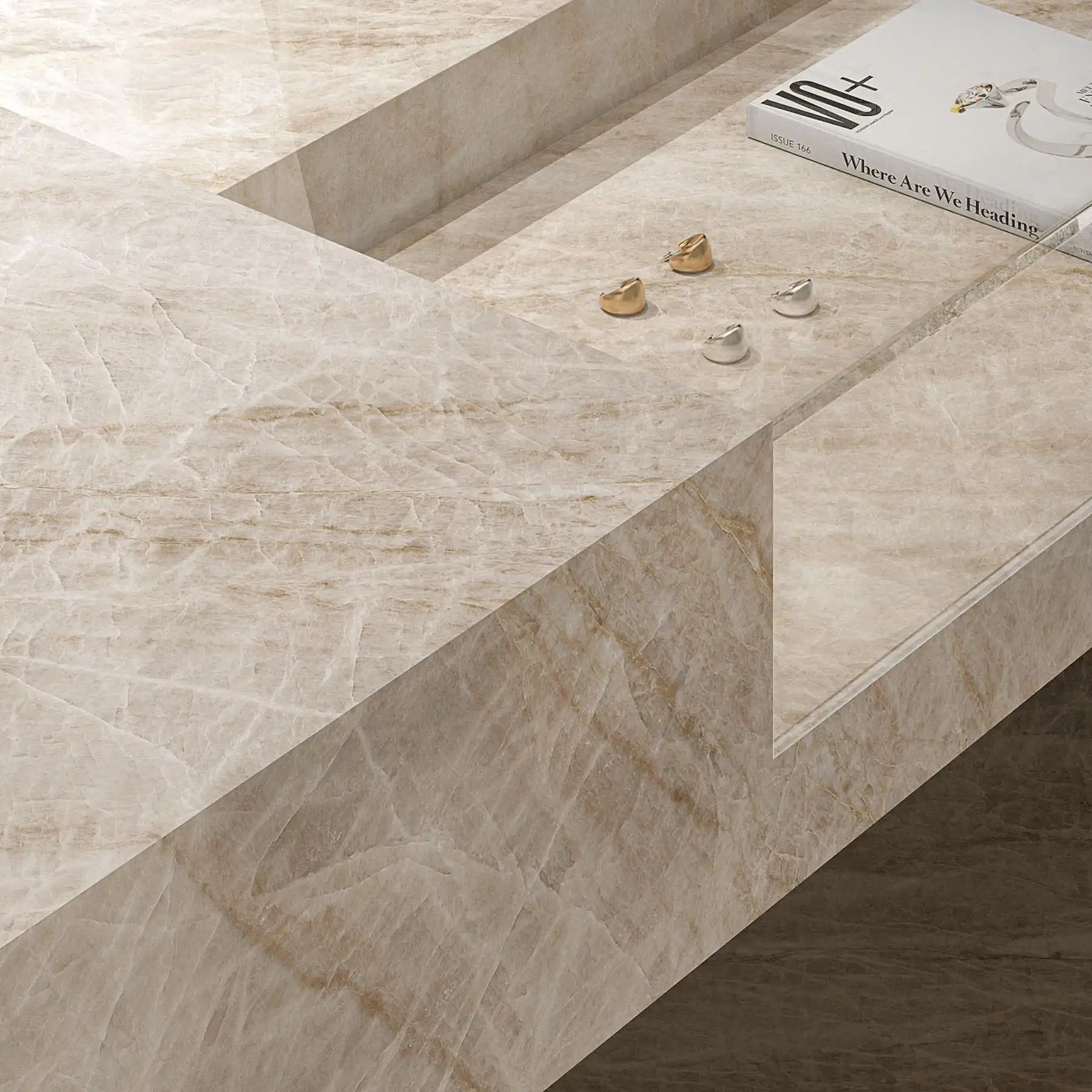
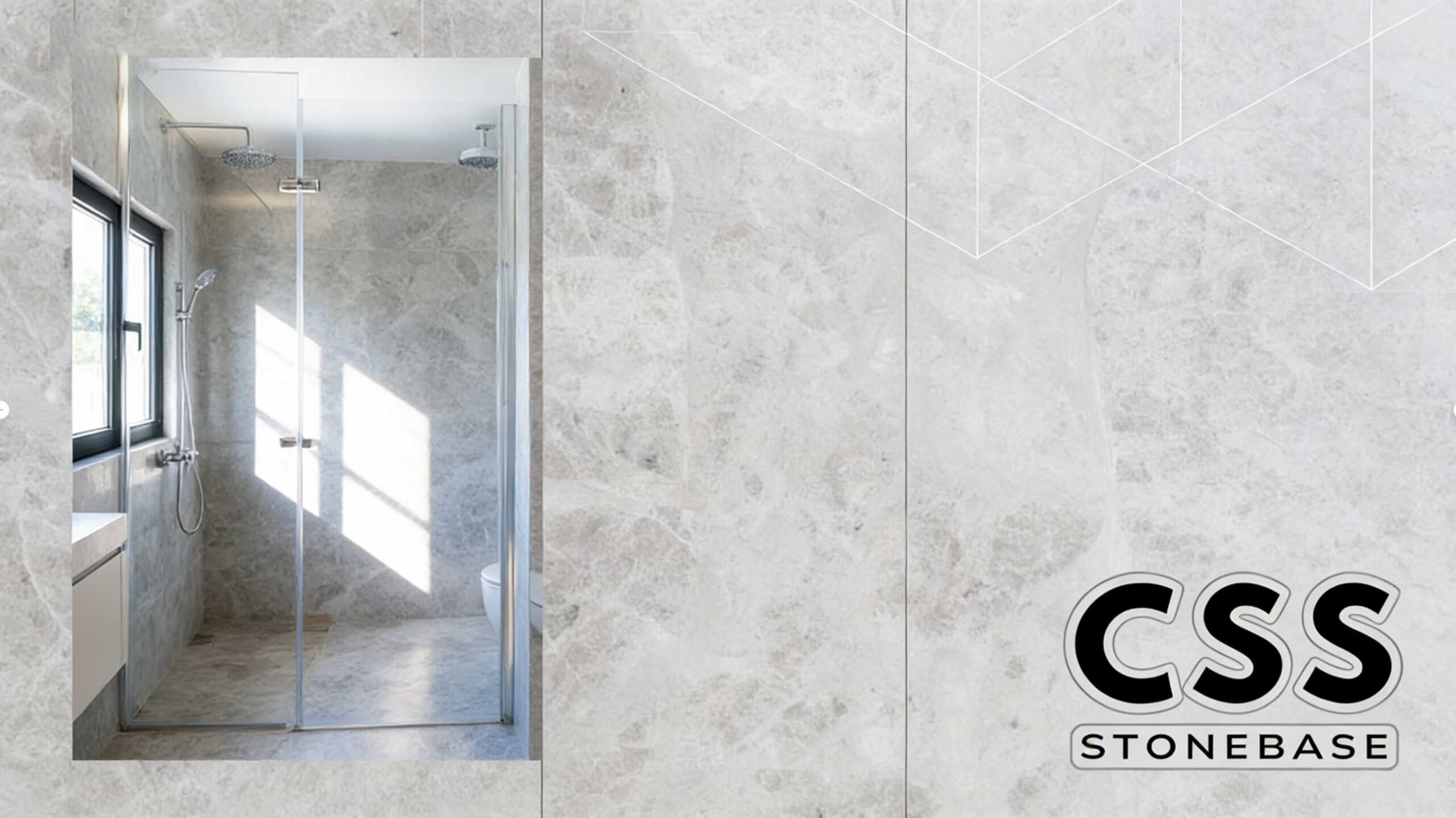
Silver Shadow Marble is recognized for its fine-grained crystalline structure and layered grey tonality. Unlike high-contrast marbles that rely on dramatic veining, Silver Shadow presents a more linear and clouded visual rhythm.
This geological calm translates into several design advantages:
-
Reduced visual fatigue in large surfaces
-
High compatibility with modern and minimalist architecture
-
Predictable aesthetic behavior under different lighting conditions
The stone’s color range typically spans light silver to medium grey, often with faint directional movement rather than sharp veining. This makes slab-to-slab transitions more forgiving in large installations.
Why Designers Are Moving Away from Extreme Contrast
The renewed interest in Silver Shadow Marble reflects a broader design recalibration.
In residential and commercial interiors alike, designers are responding to:
-
Increased screen exposure and visual overload
-
A preference for calming, neutral environments
-
The need for materials that age gracefully
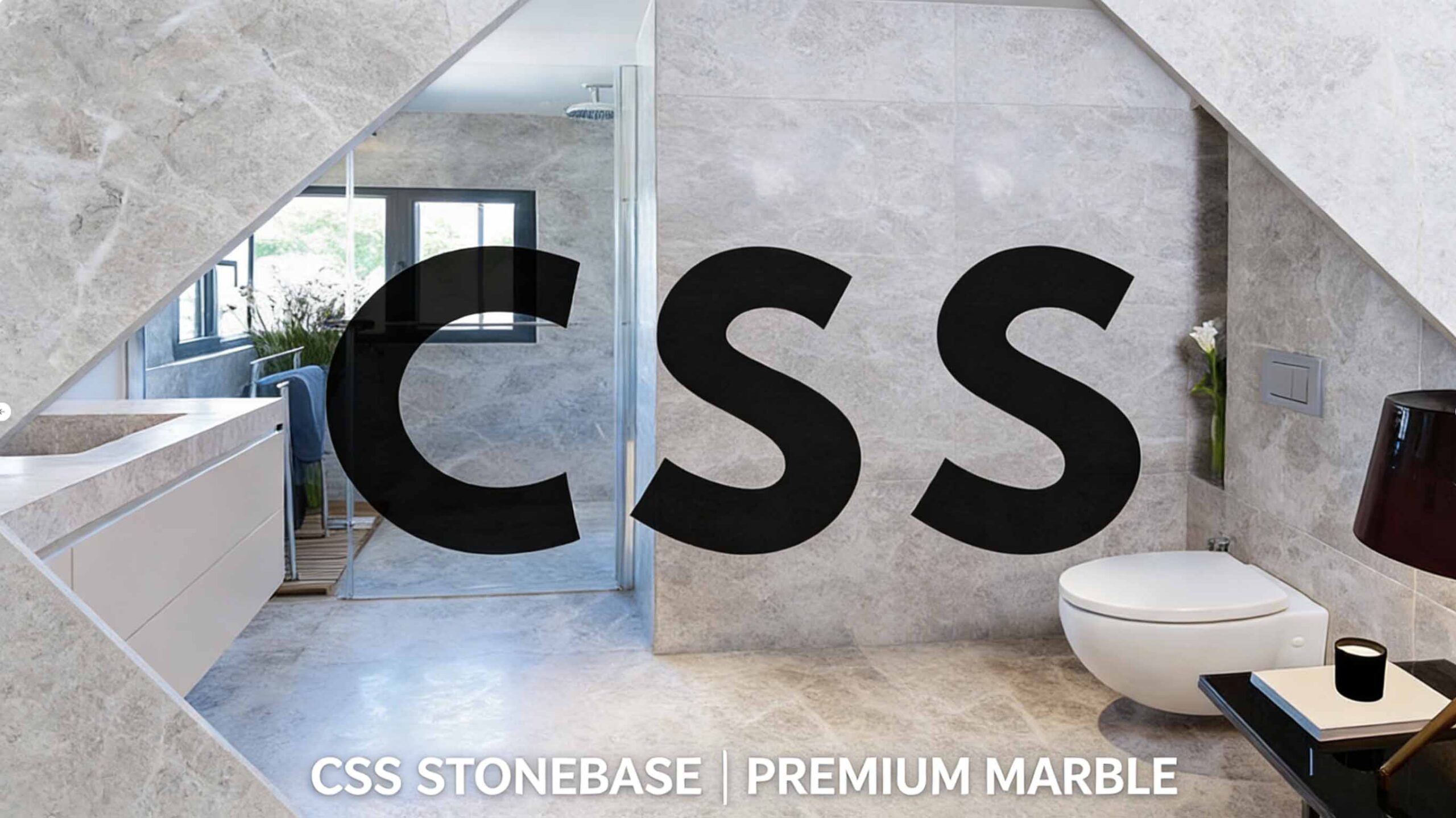
High-contrast stones can be visually impressive, but they also dominate space. Silver Shadow Marble offers an alternative: visual continuity without monotony.
This quality is particularly valued in:
-
Luxury apartments and villas
-
Boutique hospitality projects
-
Corporate and cultural spaces
-
Large-format flooring and wall cladding
Physical Properties and Performance Considerations
From a performance perspective, Silver Shadow Marble behaves similarly to other fine-grained grey marbles.
Key characteristics include:
-
Moderate compressive strength suitable for interior architectural use
-
Natural porosity requiring sealing in functional areas
-
Good polishing and honing response
-
Stable behavior in controlled indoor environments
As with all natural marble, correct application and maintenance planning are essential. The stone performs best when selected for environments aligned with its material properties rather than forced into inappropriate use cases.
Common Applications of Silver Shadow Marble
Countertops and Vanity Tops
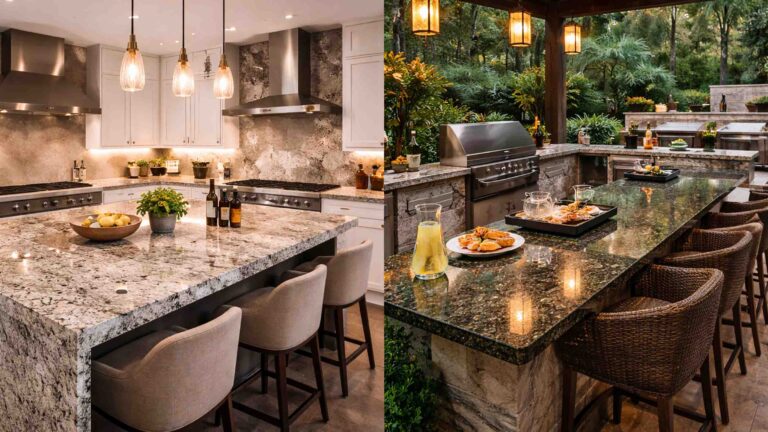
Silver Shadow Marble countertops are increasingly specified where designers want the elegance of marble without the starkness of pure white. The softer grey tone also helps reduce the visibility of minor daily marks.
In kitchens and bathrooms, this tonal advantage becomes particularly relevant when combined with proper sealing and realistic usage expectations. Many of the common issues buyers encounter with marble surfaces stem not from the stone itself, but from misuse and lack of understanding—an issue explored in depth in what ruins white marble countertops, which highlights how design choices and maintenance habits directly affect long-term surface performance.
Many of the common issues buyers encounter with marble surfaces stem not from the stone itself, but from misuse and lack of understanding.
This pattern is not limited to white marble alone.
Daily habits, surface protection, and cleaning choices play a decisive role in long-term performance, regardless of color tone.
These real-world risks are examined in what ruins white marble countertops,which provides practical insight into how marble surfaces fail or succeed in everyday environments.
Flooring and Large-Scale Surfaces
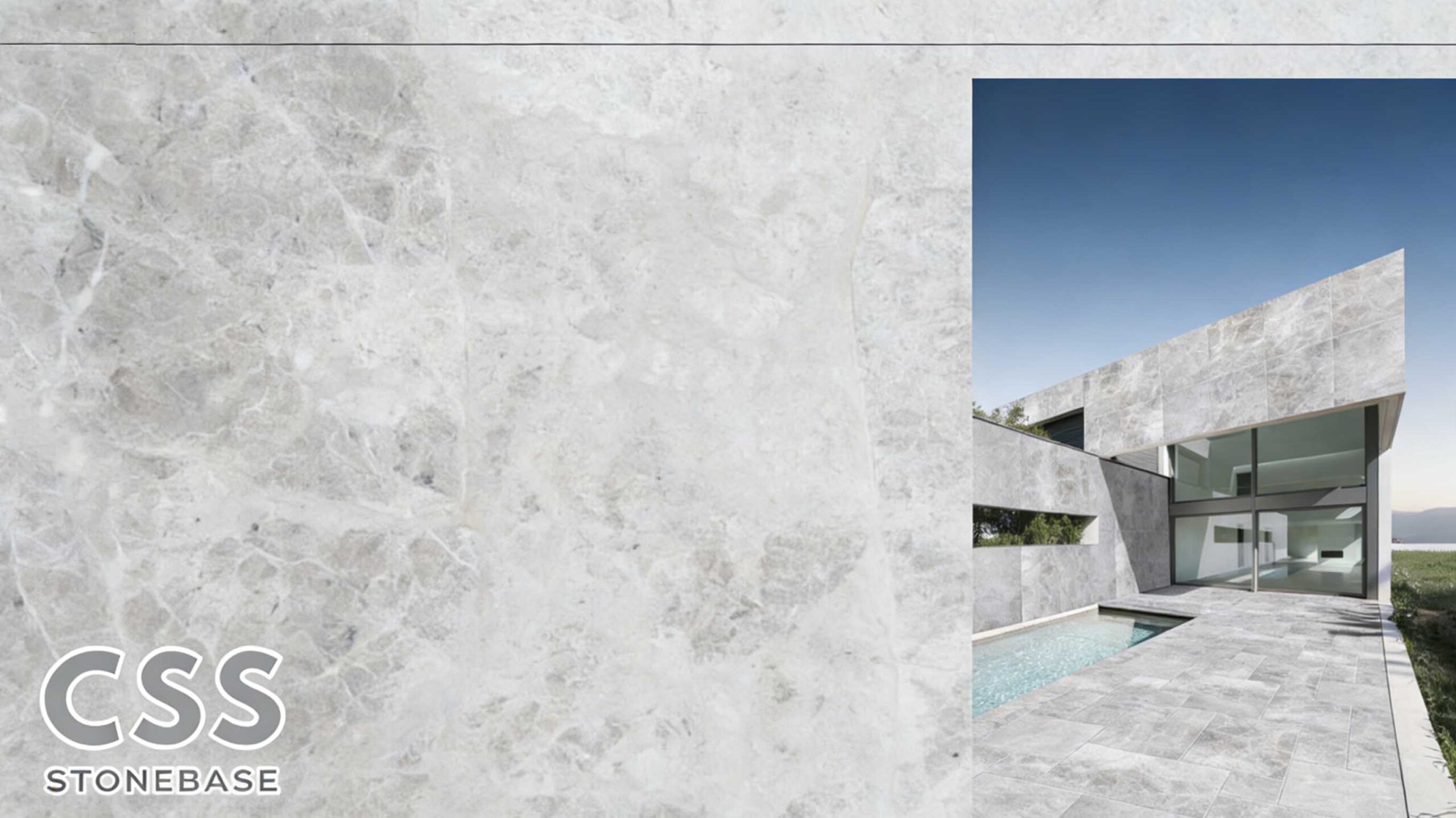
The subdued movement of Silver Shadow Marble makes it well suited for large floor areas, especially in open-plan interiors. Unlike stones with aggressive veining, Silver Shadow maintains visual coherence across expansive spaces.
Wall Cladding and Feature Panels
On vertical surfaces, the stone’s layered grey texture interacts gently with light, creating depth without overwhelming the space. This makes it popular for living room feature walls, hotel lobbies, and gallery-like interiors.
Finish Options and Their Impact on Use
Silver Shadow Marble supports a range of finishes, each influencing both aesthetics and performance.
Polished finishes enhance tonal clarity and subtle movement, while honed finishes offer a softer, more tactile surface that reduces glare and slip risk. In many contemporary projects, honed Silver Shadow Marble is favored for its understated sophistication.
Finish selection should always be aligned with:
-
Lighting conditions
-
Foot traffic levels
-
Cleaning and maintenance expectations
Silver Shadow Marble in Contemporary Design Language
One reason Silver Shadow Marble has gained traction is its compatibility with evolving design languages.
It pairs naturally with:
-
Warm woods
-
Matte black or brushed metal accents
-
Neutral textiles and concrete elements
-
Soft architectural lighting schemes
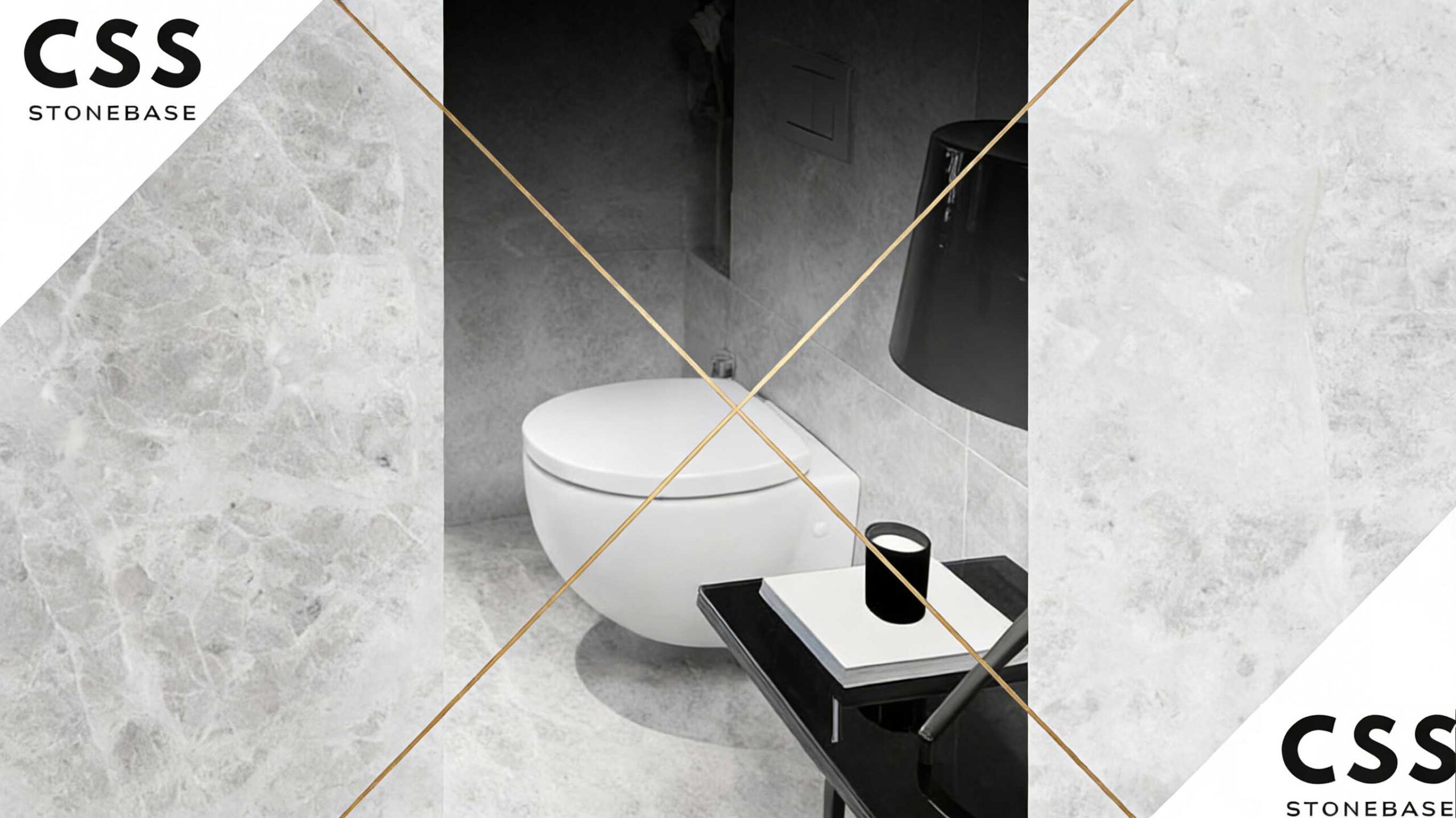
Rather than anchoring a design in a specific trend, Silver Shadow functions as a neutral design infrastructure, supporting a wide range of stylistic expressions over time.
Regulatory and Sustainability Context
In 2025, material selection is increasingly shaped by regulatory and sustainability considerations.
Natural marble, including Silver Shadow Marble, aligns well with current frameworks due to:
-
Low chemical processing requirements
-
Absence of synthetic binders
-
Long service life and durability
-
Recyclability as architectural material
In regions such as the EU and North America, natural stone continues to benefit from favorable classification under building material regulations when sourced and documented responsibly.
Sourcing Silver Shadow Marble in a Global Market
Silver Shadow Marble is processed and supplied through international stone markets, with availability in slabs, tiles, and cut-to-size formats.
Experienced buyers typically focus on:
-
Batch consistency rather than isolated samples
-
Processing standards and tolerance control
-
Transparency in material selection
-
Clear communication of finish and application intent
As with all natural stone, the most successful projects result from alignment between design expectation and material reality.
Why Silver Shadow Marble Is a Long-Term Choice
Silver Shadow Marble is not a statement stone designed to impress at first glance. Its value lies elsewhere—in balance, adaptability, and longevity.
As architectural priorities shift toward calmer, more human-centered environments, materials like Silver Shadow Marble offer a way forward: quiet luxury grounded in natural authenticity.
FAQ
1. Is Silver Shadow Marble suitable for kitchen countertops?
Yes, Silver Shadow Marble can be used for kitchen countertops when properly sealed and maintained, especially in residential settings with realistic usage expectations.
2. How does Silver Shadow Marble differ from white marble?
Silver Shadow Marble offers a softer grey tone that reduces visual contrast and hides minor marks more effectively than pure white marble.
3. Does Silver Shadow Marble require sealing?
Yes, like all natural marble, it should be sealed to reduce moisture absorption and staining risk, particularly in functional areas.
4. Is Silver Shadow Marble appropriate for flooring?
Silver Shadow Marble is well suited for interior flooring in low- to medium-traffic areas, especially when honed finishes are used.
5. Why is Silver Shadow Marble popular in modern interiors?
Its neutral grey tone, subtle movement, and compatibility with contemporary design make it ideal for calm, long-lasting architectural spaces.
References
-
Ashurst, J. – Stone in Building: Its Use and Potential Today, Architectural Press
-
British Geological Survey – Dimension Stone Resources of Europe
-
Natural Stone Institute – Marble Selection and Application Guidelines
-
European Commission – Construction Products Regulation Overview
-
ASTM International – Standard Guide for Selection of Dimension Stone
-
Journal of Architectural Materials – Visual Comfort and Material Choice
-
U.S. Green Building Council – Natural Materials and Sustainability
-
International Journal of Interior Architecture – Neutral Stone in Contemporary Design
How Silver Shadow Marble Functions in Modern Design and Buying Decisions
What Silver Shadow Marble Represents:
Silver Shadow Marble is best understood as a low-noise grey marble rather than a decorative statement stone.
Its value lies in tonal stability, subtle movement, and its ability to support architecture without competing for visual attention.
Why Designers Choose It Over High-Contrast Stones:
As interiors move away from visual overload, Silver Shadow Marble provides spatial calm and long-term adaptability.
It reduces visual fatigue in large surfaces and integrates easily with wood, metal, concrete, and neutral palettes.
How Application Context Shapes Performance:
The stone performs best in controlled interior environments where lighting, finish, and traffic levels are aligned with marble’s natural properties.
Honed finishes and consistent slab selection play a greater role in success than dramatic patterning.
What Options Matter Most When Selecting Silver Shadow Marble:
Slab consistency, finish type, and batch continuity are more predictive of outcome than color descriptions alone.
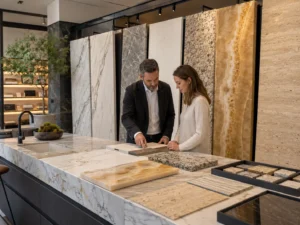
Buyers should evaluate material under real lighting conditions and consider how surface scale affects perception.<