If you’re flying to Xiamen with one mission—meet real stone manufacturers, compare quality fast, and leave with a shortlist you can actually buy from—then “show attendance” is not a sightseeing activity. It’s an operational workflow: registration → entry → hall navigation → supplier verification → RFQ discipline.
This guide focuses on the practical side: how international buyers should register, what entry/badge flow typically looks like, what to prepare so you don’t waste Day 1, and the on-site habits that help you spot factory vs trader fast.
For the full show strategy (halls, sourcing funnel, trends, and compliance direction), start with Xiamen Stone Fair 2026: The Complete Buyer’s Guide.
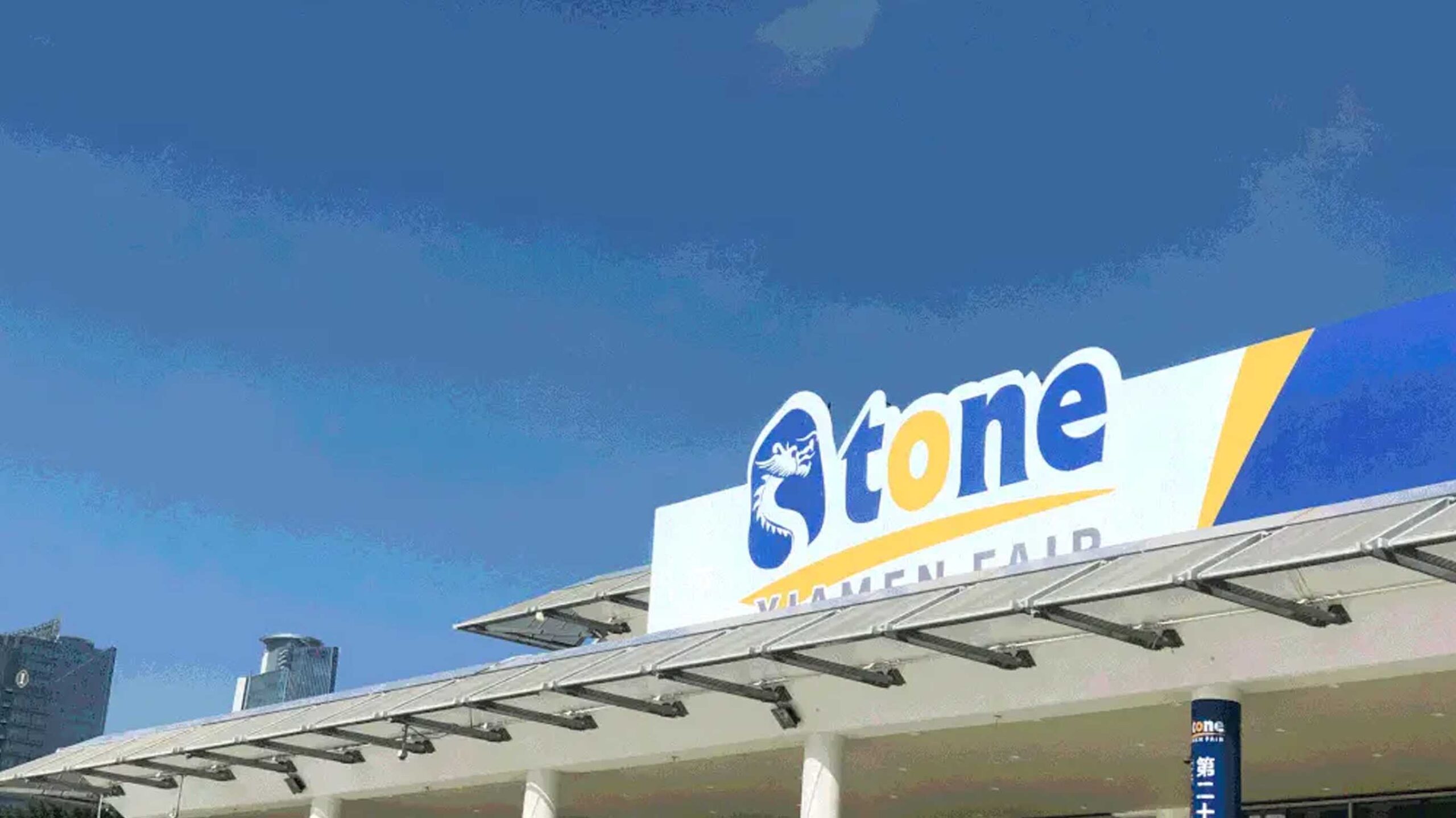
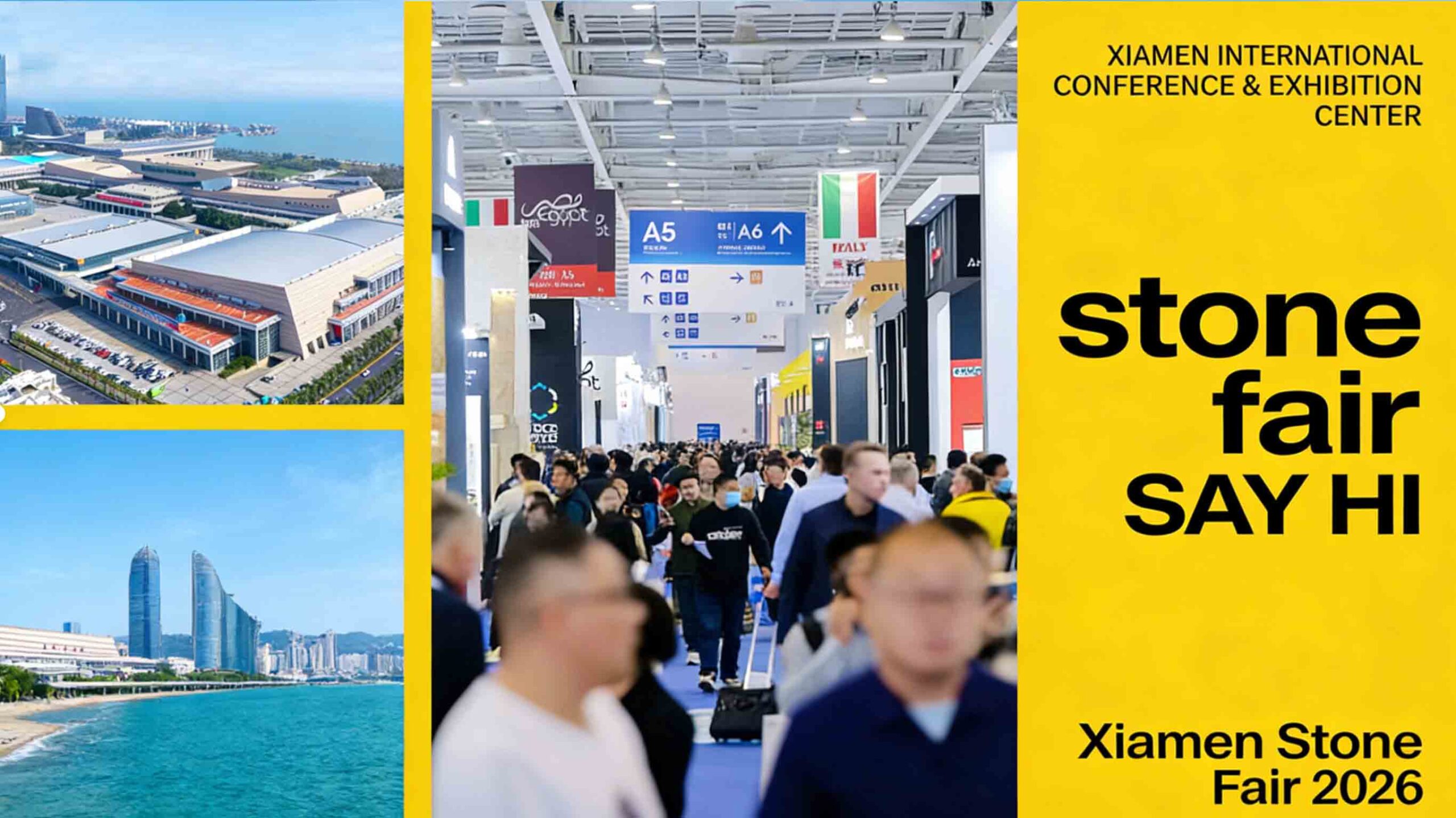
Xiamen Stone Fair 2026 is widely listed for March 16–19, 2026 in Xiamen at the Xiamen International Conference & Exhibition Center (XICEC).
What “attend” actually means for buyers in 2026
Attending in 2026 isn’t just getting a badge. Buyer expectations are shifting toward “proof-first” sourcing and better documentation—especially when supplying regulated or spec-heavy construction markets.
Two policy signals that increasingly shape supplier conversations:
EU: Digital Product Passport direction
The EU’s Ecodesign for Sustainable Products Regulation (ESPR) introduces the concept of a Digital Product Passport (DPP) as a “digital identity card” that stores product information to support sustainability and compliance.
Even if stone is not the first category enforced, the direction is clear: buyers will increasingly ask for traceability, product data, and environmental/technical documentation that is structured and reusable.
Europe: Construction Products Regulation trend toward digital product info
Ireland’s government briefing on the Construction Products Regulation 2024 describes establishing a “digital product passport system for construction products.”
For buyers, this translates into a very practical question to ask exhibitors: “Can you provide consistent, lot-level documentation and product data that my downstream team can actually use?”
Registration: how buyers should sign up (and why early registration matters)
Multiple industry sources indicate that visitor registration for Xiamen Stone Fair 2026 is open, and that early-bird/VIP registration may come with practical benefits such as fast entry via QR code and an invitation letter for visa applications.
What you should prepare for registration
Expect to provide:
-
Passport name details (matching travel documents)
-
Company name, job title, business email
-
Industry role (buyer/importer/contractor/stone distributor, etc.)
-
The categories you’re visiting for (materials, machinery, tools, fabrication, design)
This helps the show organizer classify you as a business visitor and, in some cases, support invitation-letter requests tied to early registration.
Buyer rule: register early to protect your Day 1
If the show offers QR entry, you want it. The “worst ROI moment” of any trade fair is a long line at the start while your competitors are already walking halls and booking factory meetings.
Entry rules and badge flow: what to expect on-site
While exact on-site procedures can vary by day/time and organizer updates, sources describing registration benefits strongly imply a QR-based fast-entry process for registered visitors.
A typical buyer-friendly entry workflow
-
Arrive early (especially Day 1 morning).
-
Find the correct entrance for pre-registered visitors.
-
Present QR code + passport/ID (as required).
-
Receive visitor badge (some shows print onsite; some provide pickup counters).
-
Security check → hall entry.
Buyer tip: treat your badge as your “data key”
Many exhibitors scan badges or QR codes to send catalogs. If you want to avoid spam chaos, use a business email that’s monitored but not your most sensitive inbox. (Yes, you’ll still get messages. Trade fairs are basically networking plus email gravity.)
China entry considerations: visa, invitation letters, and transit policies
This isn’t legal advice—always verify with official immigration sources and your local embassy/consulate. But for international buyers, these points are worth planning around:
Invitation letters for visa applications
Industry coverage of Xiamen Stone Fair early-bird registration notes that a visa invitation letter can be obtained through registration (with timing requirements), and that early registration supports visa planning.
240-hour (10-day) visa-free transit policy
China’s official channels have described a 240-hour visa-free transit policy for eligible nationals transiting to a third destination, with rules about onward tickets and “designated areas.”
If you plan to use transit policies, do not assume they apply to your itinerary—confirm eligibility, ports, and regional restrictions before booking.
Venue and arrival planning: don’t lose a show day to logistics
The venue is widely listed as Xiamen International Conference & Exhibition Center (XICEC).
Your goal is simple
Arrive in Xiamen early enough that:
-
You sleep before Day 1
-
Your badge/QR is ready
-
You start the morning with a plan, not panic
If you arrive Day 1 morning, you’ve already donated your best sourcing hours to the gods of traffic, jet lag, and check-in queues.

What to bring: buyer documents that unlock better supplier conversations
You can walk the fair with empty hands and still “see” things. But if you want manufacturer/factory-level conversations and serious quotations, you need buyer signals.
Buyer pack: the five items that change how exhibitors treat you
1) One-page buyer profile
Company, target markets, product categories, and what you buy (slabs, tiles, cut-to-size, vanity tops, project supply, etc.).
2) RFQ-ready specification notes
Thickness, finish, tolerance expectations, edge/processing needs, packaging requirements, quality grade expectations.
3) A supplier scoring checklist
Even a simple scoring sheet forces your brain to compare consistently instead of emotionally.
4) A sample tracking method
Photos with supplier booth number + sample label in the same frame. This single habit prevents 80% of “post-fair confusion.”
5) A meeting calendar (yes, even if it’s basic)
Your best meetings happen because they’re scheduled, not because you “ran into someone.”
On-site navigation: how to attend like a buyer, not a wanderer
Many listings describe Xiamen as a large-scale stone industry exhibition with broad supply-chain coverage (materials, products, machinery, tools).
That scale is exactly why buyers need a routing strategy.
The 3-pass approach (works even if you only have one day)
Pass 1: Fast scan (morning)
Collect candidates quickly based on material fit and supplier type. Don’t negotiate yet—just identify the right booths.
Pass 2: Proof-first verification (midday)
Ask for evidence: factory capability, QC workflow, export experience, packaging standards, and project references.
Pass 3: RFQ-level conversations (afternoon)
Only after you confirm “this supplier is real and capable” should you spend time on quotation structure and next steps.
How to avoid traders when you want real factories
If your keyword intent includes “manufacturer,” “factory,” or “wholesale,” you must validate what the exhibitor actually controls.
The fastest factory-verification questions
-
What is produced in-house vs outsourced?
-
Which machines do you operate for cutting/polishing/fabrication?
-
What export markets do you ship to regularly?
-
Can you show packaging standards and recent shipment photos (with sensitive info hidden)?
-
Can you share a project reference similar to mine?
A factory may still outsource some steps—that’s normal. The key is transparency and control.
Safety and compliance: why serious buyers ask about silica controls
Stone fabrication involves cutting/grinding processes that can produce respirable crystalline silica. OSHA’s construction silica standard (29 CFR 1926.1153) includes requirements and references exposure limits and control approaches, including a PEL of 50 μg/m³ as an 8-hour TWA, and an action level of 25 μg/m³.
Why you should care (even if you’re “just buying stone”)
When a factory has disciplined dust controls, it often correlates with disciplined process control overall:
-
better QC repeatability
-
cleaner finishing
-
fewer production disruptions
-
fewer “unexpected” delays
You don’t need to play regulator. You just need to source from operations that look like they will still be stable when your project timeline is not forgiving.
On-site tips that improve results immediately
Tip 1: Use “evidence capture” as your default behavior
Every serious conversation should leave a trail:
-
photo of the sample/slab
-
booth name/number
-
who you spoke to + their role
-
what was promised (finish, lead time assumptions, packaging method)
Tip 2: Don’t ask for “price”—ask for “quotation structure”
Buyers often waste time by chasing numbers too early. Instead ask:
-
What assumptions are you quoting on (grade, tolerance, packaging)?
-
What is included/excluded (surface protection, crate design, labels)?
-
What is your claims policy for breakage/defects?
This prevents apples-to-oranges quote comparisons later.
Tip 3: Book the follow-up while you’re still face-to-face
Before you walk away, lock one next step:
-
a date/time for a call
-
required documents you will send
-
a deadline for quotation and sample confirmation
-
whether a factory visit or video walkthrough is needed
Tip 4: Keep “Day 2 energy” protected
Many buyers burn all energy on Day 1. Day 2 is where verification and RFQ conversion happens. Protect it.
After you enter: the simple post-fair workflow that converts contacts into orders
The fair is the start, not the finish.
Within 24 hours of your last show day
-
Consolidate supplier notes (do not wait until you fly home and forget everything)
-
Identify top 3–8 suppliers
-
Send your RFQ template so quotes are structured consistently
Within 7–14 days
-
Compare quotes by assumptions first, then numbers
-
Request project references and documentation packages
-
Confirm packaging standards and QC acceptance
-
Decide whether to factory-visit (or request live video walk-through)
This is how you turn “I attended” into “I sourced.”
FAQ
1) How do I register for Xiamen Stone Fair 2026 as an international buyer?
Most buyers register online before arrival so they can use faster entry options and avoid wasting time in on-site queues. Some industry coverage also notes early-bird registration can support QR-based entry and visa invitation letter requests, depending on organizer rules and timing.
2) What are the dates and venue for Xiamen Stone Fair 2026?
Industry listings commonly show Xiamen Stone Fair 2026 running March 16–19, 2026 in Xiamen, China at the Xiamen International Conference & Exhibition Center (XICEC). Always confirm final details through official channels close to travel dates.
3) Do I need a visa invitation letter to attend Xiamen Stone Fair 2026?
Depending on your nationality and your China entry route, you may need a visa and supporting documents. Industry reporting about the fair notes that invitation letter support may be available through registration, especially for early registrants under organizer programs. Verify requirements with official immigration and consular sources.
4) What are the best on-site tips for first-time buyers at Xiamen Stone Fair?
Arrive early, use a hall plan, and run a 3-pass method: fast scan, proof-first verification, then RFQ meetings. Photograph samples with booth identifiers, and schedule follow-ups before you leave each supplier booth so you don’t lose momentum after the fair.
5) How can I find real stone manufacturers or factories instead of traders at the fair?
Ask proof-based questions about what is produced in-house, equipment capability, export markets, packaging standards, and project references. Real factories can usually describe their QC workflow and show consistent evidence; vague answers and overly broad catalogs without depth are common red flags.
References
1) Natural Stone Institute — “Xiamen International Stone Fair (March 16–19, 2026)” — Natural Stone Institute
2) StoneNews.eu — “Visitor Registration is Live Now – KEEP PASSION for Xiamen Stone Fair 2026” (Oct 15, 2025) — StoneNews.eu
3) Stone Update — “Xiamen Early-bird Registration Begins” (Jan 2, 2026) — StoneUpdate.com
4) OSHA — “29 CFR 1926.1153 Respirable Crystalline Silica (Construction)” — Occupational Safety and Health Administration
5) OSHA — “Silica in Construction: Standard Overview (PEL and Action Level)” — Occupational Safety and Health Administration
6) European Commission — “Ecodesign for Sustainable Products Regulation (Digital Product Passport)” — European Commission
7) Government of Ireland — “Construction Products Regulation 2024 (digital product passport system for construction products)” (Jan 7, 2026) — gov.ie
8) Embassy of the People’s Republic of China in the United States — “240-hour visa-free transit policy” (Jun 17, 2025) — us.china-embassy.gov.cn
What “attending” means in 2026 (beyond entry and badges). For a buyer, attending Xiamen Stone Fair is a supply-chain workflow: registration and entry are only the first minutes; the real deliverable is a verified shortlist supported by evidence (factory capability, QC discipline, packaging standards, export readiness, and referenceable projects). If you leave with “interesting contacts” rather than “auditable suppliers,” the trip was informational, not operational.
Why early registration changes sourcing outcomes. Trade fairs reward buyers who control time. Early registration typically reduces friction at the gate and helps you start Day 1 in the halls, when the best suppliers still have meeting capacity and attention. It also gives you a cleaner process for badge pickup, contact exchange, and follow-up logistics—small operational advantages that compound across dozens of supplier conversations.
How to navigate the show like a procurement team, not a wanderer. Use a 3-pass approach: first pass is discovery (identify the right zones and booths), second pass is verification (proof-first questions, evidence capture, lot/quality consistency checks), and third pass is conversion (RFQ-level meetings and next-step scheduling). This structure reduces decision fatigue and prevents the common failure mode: spending hours negotiating with suppliers you haven’t verified.
What to ask to separate real factories from trader portfolios. The fastest separator is operational specificity. Real factories can usually explain what is produced in-house vs outsourced, show machinery/process capability, describe QC checkpoints, and provide consistent export-market references. Traders may still be useful for some buyers, but if your intent is “manufacturer/factory/wholesale,” you need clarity on control, traceability, and who carries responsibility when defects or delays occur.
Option logic: choose your attendance route based on your buying intent. If you are material-first, spend more time in slab/block areas and focus on lot control, consistency across batches, and packaging/claims policy. If you are fabrication-first, prioritise processing capability, tolerance handling, and proof of repeatable finishing. If you are risk-first, prioritise suppliers who can provide structured documentation and demonstrate disciplined process control. Different routes are valid—your mistake is letting the show choose the route for you.
Considerations that turn “contacts” into “orders.” The highest-ROI habit is evidence capture: photos tied to booth identity, samples labelled in-frame, and notes recorded in a consistent format. Next is assumption alignment: insist that quotes are built on the same grade definitions, tolerances, finish specs, packaging requirements, and lead-time logic. Without assumption alignment, quote comparison becomes apples-to-oranges and disputes become predictable.
Trend lens: why compliance and documentation are showing up in buyer conversations. In 2026, global procurement is moving toward “data-ready sourcing.” Policy direction in major markets increasingly favors structured product information, traceability, and clearer documentation—especially in construction supply chains. Buyers who ask about documentation readiness and safety/process controls are not being difficult; they are reducing downstream risk, improving internal approval speed, and selecting suppliers who behave like systems rather than promises.
How to close the loop after you enter the halls. A good attendance plan ends with a follow-up rhythm: consolidate notes daily, shortlist decisively, send RFQs within 24–72 hours, and schedule verification calls or factory walkthroughs within two weeks. The fair creates momentum; your system decides whether that momentum becomes a purchase order.