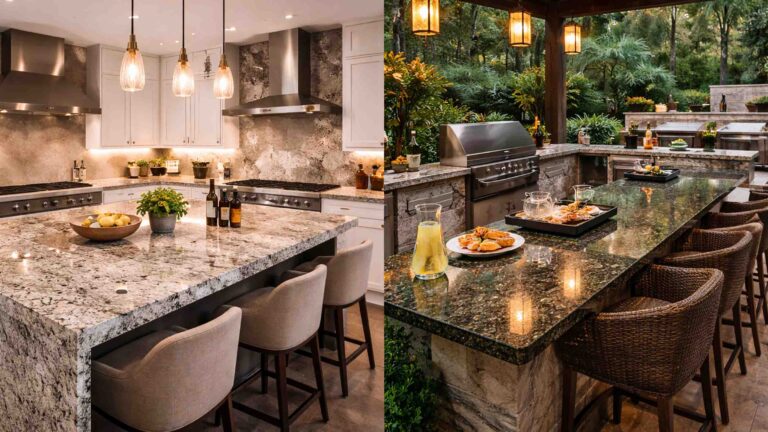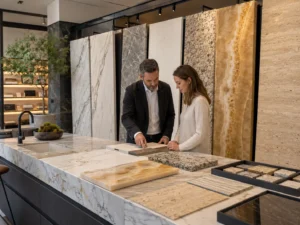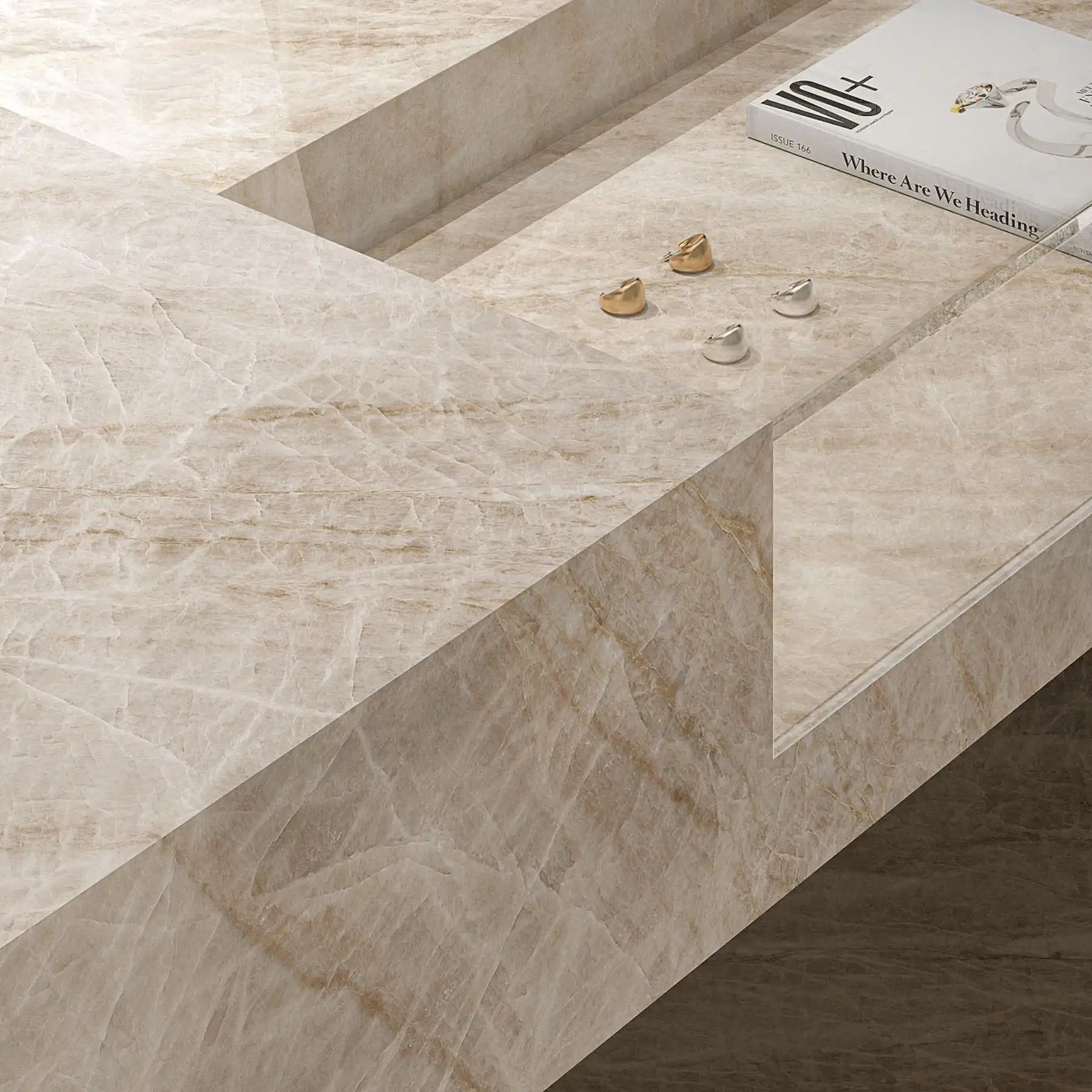
When families renovate their kitchens, one of the first big decisions they face is choosing the right countertop material. For most homeowners, the two most popular options are natural granite and engineered quartz. Both are strong, beautiful, and widely available—but which one is actually better for everyday family life?
To answer this, let’s step inside a typical modern home and explore how a real family might compare the two materials during their renovation journey. Along the way, we’ll look at durability, maintenance, heat resistance, appearance, cost, and long-term value. We’ll also bring in insights from high-value natural granite types often recommended to homeowners, including several listed here:
👉 https://forustone.com/8-most-valuable-natural-granite-for-countertops-you-should-buy/
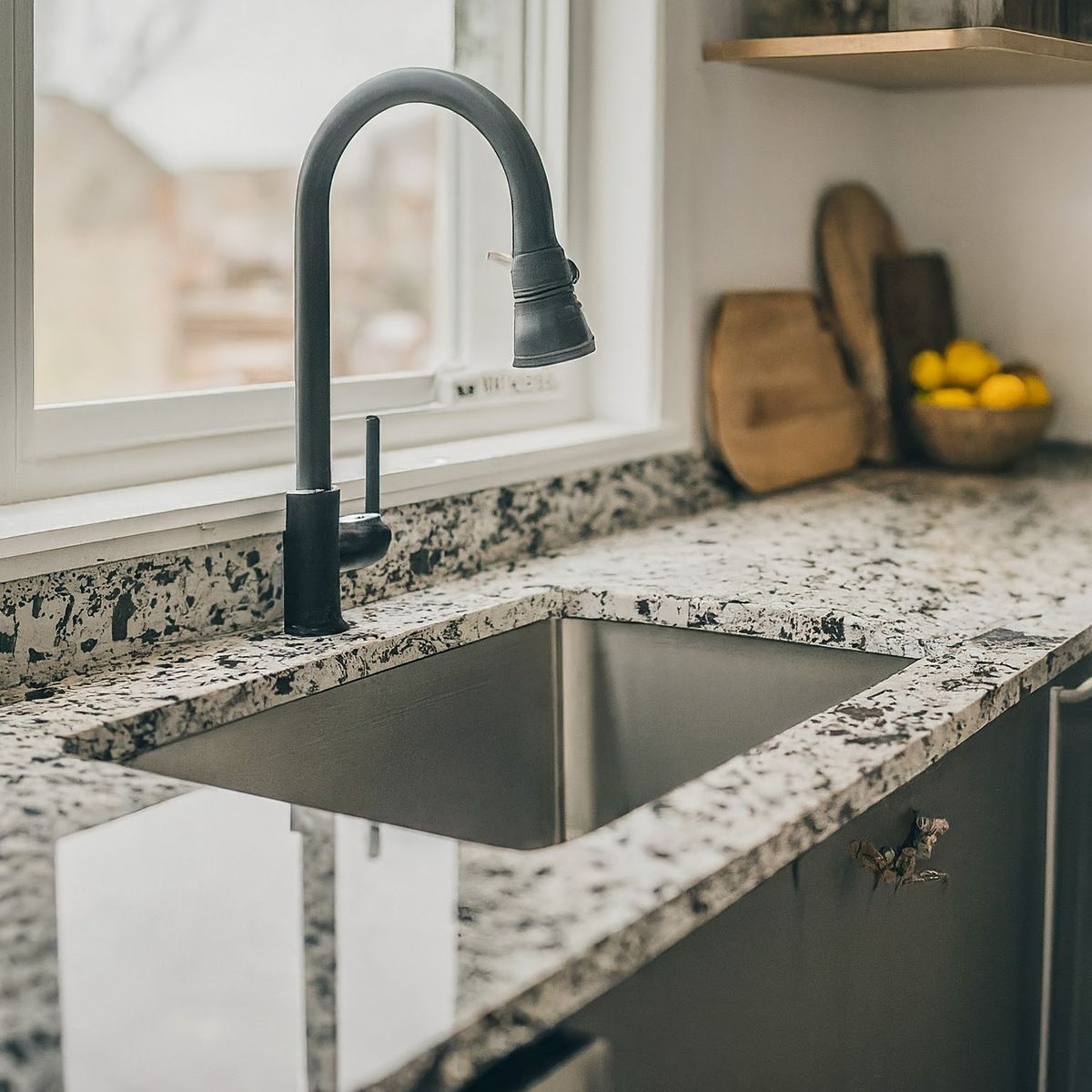
1. The Family Dilemma: Granite or Quartz?
Meet the Lee family—parents, two kids, and a busy kitchen that sees everything from morning pancakes to late-night homework.
One Saturday afternoon, they sit around the dining table with a stack of kitchen renovation brochures.
Mom:
“Quartz looks so clean and modern. And it says low maintenance.”
Dad:
“Yeah, but granite is natural stone. It feels more solid… more real.”
Daughter, age 9:
“Which one can handle hot pots? I don’t want to ruin the new kitchen if I accidentally put something hot down again…”
Son, age 12:
“Which one is harder to scratch? Because you know I cut fruit everywhere.”
The Lees are not alone. Most families want something durable, beautiful, and long-lasting. So let’s break down what matters most—based on real family use.
2. Heat Resistance: Granite Takes the Lead
One of the biggest differences between natural granite and quartz becomes obvious the moment a hot pot hits the countertop.
Granite: The Heat Warrior
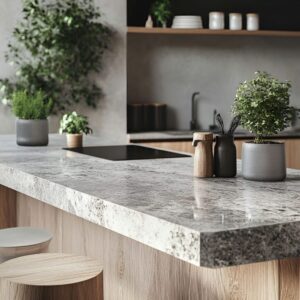
Natural granite forms under intense heat and pressure deep within the Earth. This makes it naturally heat-resistant. You can place a hot pan—or even a baking tray—on a granite countertop without fear of melting or burn marks.
In many families, this is a major advantage.
Dad:
“I want something that won’t melt if I put down a hot skillet.”
Mom:
“So… granite wins this round.”
Quartz: The Heat-Sensitive Surface
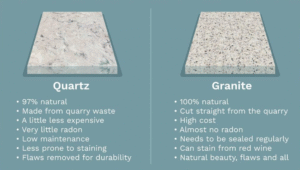
Quartz, although strong, contains resin (about 5–10%), which can burn or discolor under high heat.
Placing a hot pot directly on quartz may leave a permanent mark.
For busy households where everyone cooks, heats leftovers, or forgets trivets, granite clearly performs better.
3. Scratch Resistance: Granite Again Has the Advantage
Parents with kids know that kitchen countertops often become:
-
homework desks
-
snack stations
-
cutting boards
-
craft tables
-
and sometimes… accident zones
Granite:
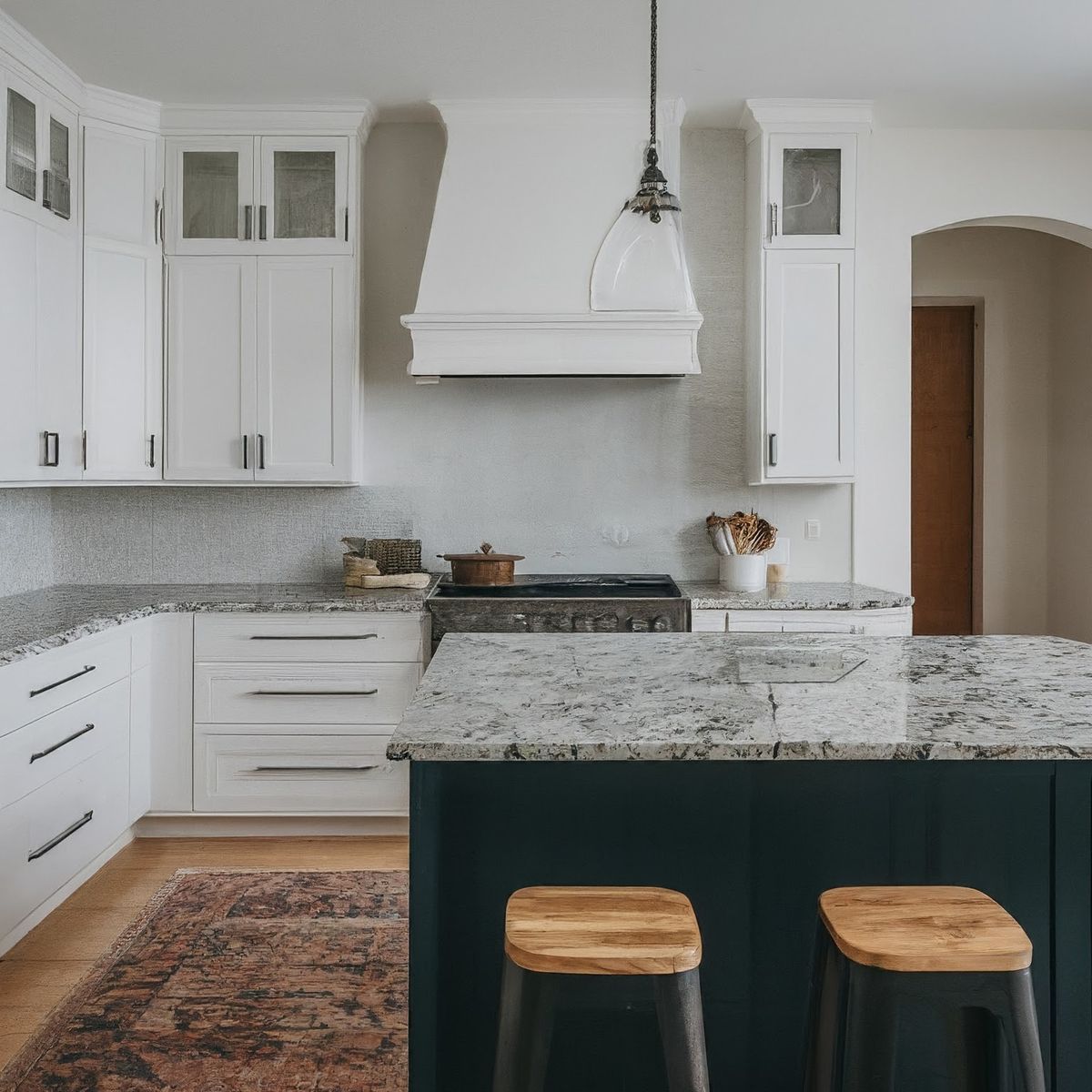
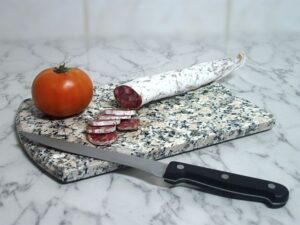
Very hard, highly scratch-resistant. Only materials like diamond or high-grade ceramic can scratch it.
Son:
“So I can cut apples on it?”
Mom:
“No! Use a cutting board. But at least granite won’t get ruined if you forget.”
Quartz:
Still hard, but more prone to scratching from metal, sand, or ceramic edges.
For families with energetic kids, granite offers more peace of mind.
4. Stain Resistance & Maintenance: Quartz Takes This Round
Quartz:
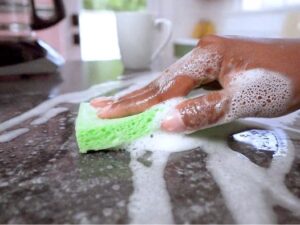
Because of its non-porous structure, quartz does not require sealing. Juice spills, sauces, and marker stains wipe away easily.
This matters to many families.
Mom:
“Quartz is easier for me. The kids spill everything.”
Granite:
Granite is porous and requires sealing once a year (sometimes every 2–3 years depending on the stone).
However—
Modern premium granites, especially the high-value types listed here, often come with tighter crystalline structures and improved resistance:
👉 https://forustone.com/8-most-valuable-natural-granite-for-countertops-you-should-buy/
With proper sealing, granite is also very stain-resistant.

5. Aesthetics: Natural Beauty vs. Modern Consistency
Quartz:
Perfect for families who want a clean, modern look. Patterns are consistent, predictable, and uniform.
Granite:
A natural artwork created by nature over millions of years—each slab truly one-of-a-kind.
Mom:
“Quartz looks neat, but granite feels alive.”
Dad:
“And look at these colors! Azul Bahia… wow.”
Exotic granites—such as:
-
Azul Bahia
-
Lemurian Blue
-
Titanium Black
-
Matrix Black
—are considered premium because of their unique mineral patterns, beautiful depth, and color richness.
Families who want personality, depth, and natural movement often choose granite.
6. Daily Cleaning: Both Are Easy, but Quartz Is Simpler
Granite:
Clean with mild soap and water.
Avoid harsh chemicals.
Requires sealing—but sealing only takes 10 minutes once a year.
Quartz:
Even easier.
Just wipe and go.
No sealing ever.
Mom:
“I think I prefer quartz for cleaning.”
Dad:
“But sealing granite once a year isn’t that bad.”
For families that prioritize ultra-low maintenance, quartz is appealing.
7. Long-Term Durability: Granite Outlasts Quartz in the Real World
Quartz is very strong, but because it contains resin, it can:
-
discolor from sunlight
-
burn from hot pans
-
warp in outdoor kitchens
Granite, being natural stone, can last for decades—even generations.
Outdoor kitchens?
Granite is the right choice.
Heavy cooking?
Granite holds up better.
Big family gatherings with lots of hot dishes?
Granite takes the heat, literally.
8. Cost Comparison: Depends on Quality
Quartz Price Range:
Mid-range, stable pricing.
Granite Price Range:
Depends heavily on rarity.
-
Standard granite: Affordable
-
Mid-range granite: Similar to quartz
-
Premium exotic granite: Higher prices
9. Real-Life Test: One Week in the Lee Family Kitchen
To decide, the family asks the supplier to lend them two samples—one granite, one quartz.
Here’s what happens during one week:
Day 1: Hot pot test
Granite survives perfectly.
Quartz slightly discolors.
Dad:
“That settles it. We’re not buying trivets for the kids.”
Day 3: Kids’ homework
Markers wipe easily off both, but marker ink slightly smudges quartz.
Day 4: Cooking chaos
Oil, sauce, and lemon juice spill everywhere.
Quartz handles it easily.
Granite looks fine too—after a quick wipe.
Day 6: Sunlight test
The slab near the window:
Quartz shows faint color fading.
Granite stays unchanged.
Day 7: Cutting fruit
The son cuts apples directly on both samples.
Quartz gets minor scratches.
Granite remains smooth.
At the end of the week—
Mom:
“Quartz is easier… but granite is tougher.”
Dad:
“I want something that lasts forever.”
Kids:
“We like the colorful granite!”
The decision becomes clear.
10. Final Verdict: Which Countertop Is Better for a Family Home?
⭐ If your family prioritizes:
-
Consistent color
-
Low maintenance
-
Simple cleaning
→ Quartz is the easier choice.
⭐ If your family wants:
-
Real natural beauty
-
High heat resistance
-
Scratch resistance
-
Long-term value
-
Unique patterns
-
Outdoor kitchen suitability
→ Natural granite is the better choice—especially premium varieties.
What Would a Typical Family Choose?
Most everyday families ultimately choose natural granite, not because it’s trendy—but because it’s:
-
stronger
-
safer with hot cookware
-
more scratch-resistant
-
longer-lasting
-
more natural and unique
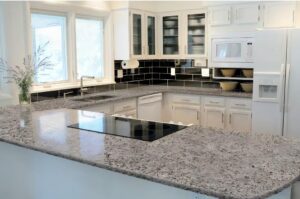
The Lees ended up choosing a warm, lightly patterned granite that brightened their kitchen while standing strong against daily use.
As Dad proudly said on installation day:
“The kitchen finally feels like ours.”