Quick Summary: The Big 5 Saudi 2026 is no longer a “local trade show”—it’s a procurement checkpoint for Saudi mega projects where stone & surface suppliers are evaluated on factory capability, documentation readiness, and long-term supply stability. The event’s two-phase structure (design-to-build, then fit-out/services) mirrors how Saudi approvals work in real life, pushing buyers to prioritise traceability, performance data, and logistics reliability. For global manufacturers, success depends on demonstrating scalable production, compliant material dossiers, and project-fit solutions aligned with Saudi Vision 2030 and rising sustainability expectations.
Why The Big 5 Saudi Is No Longer “Just Another Trade Show”
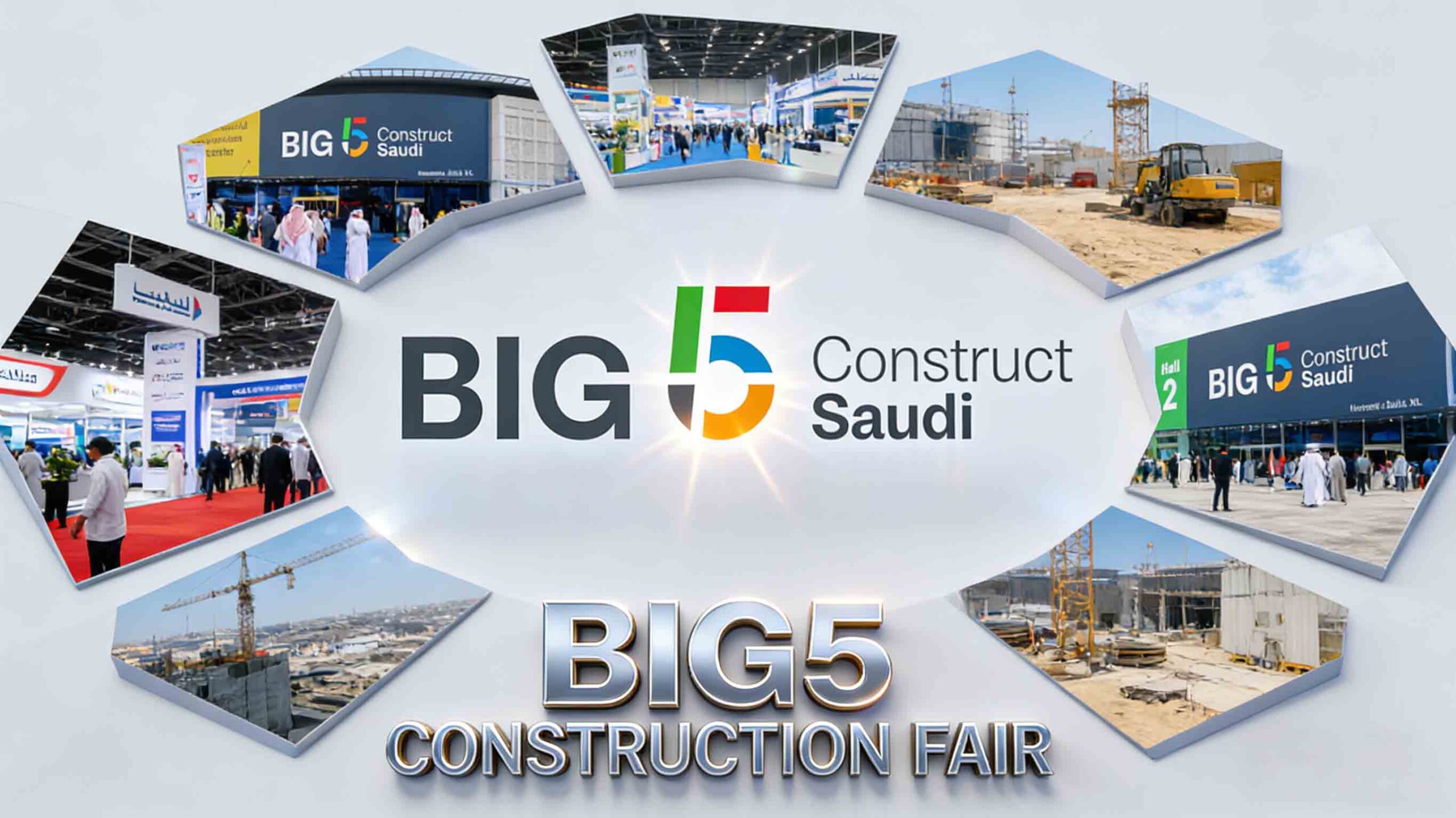
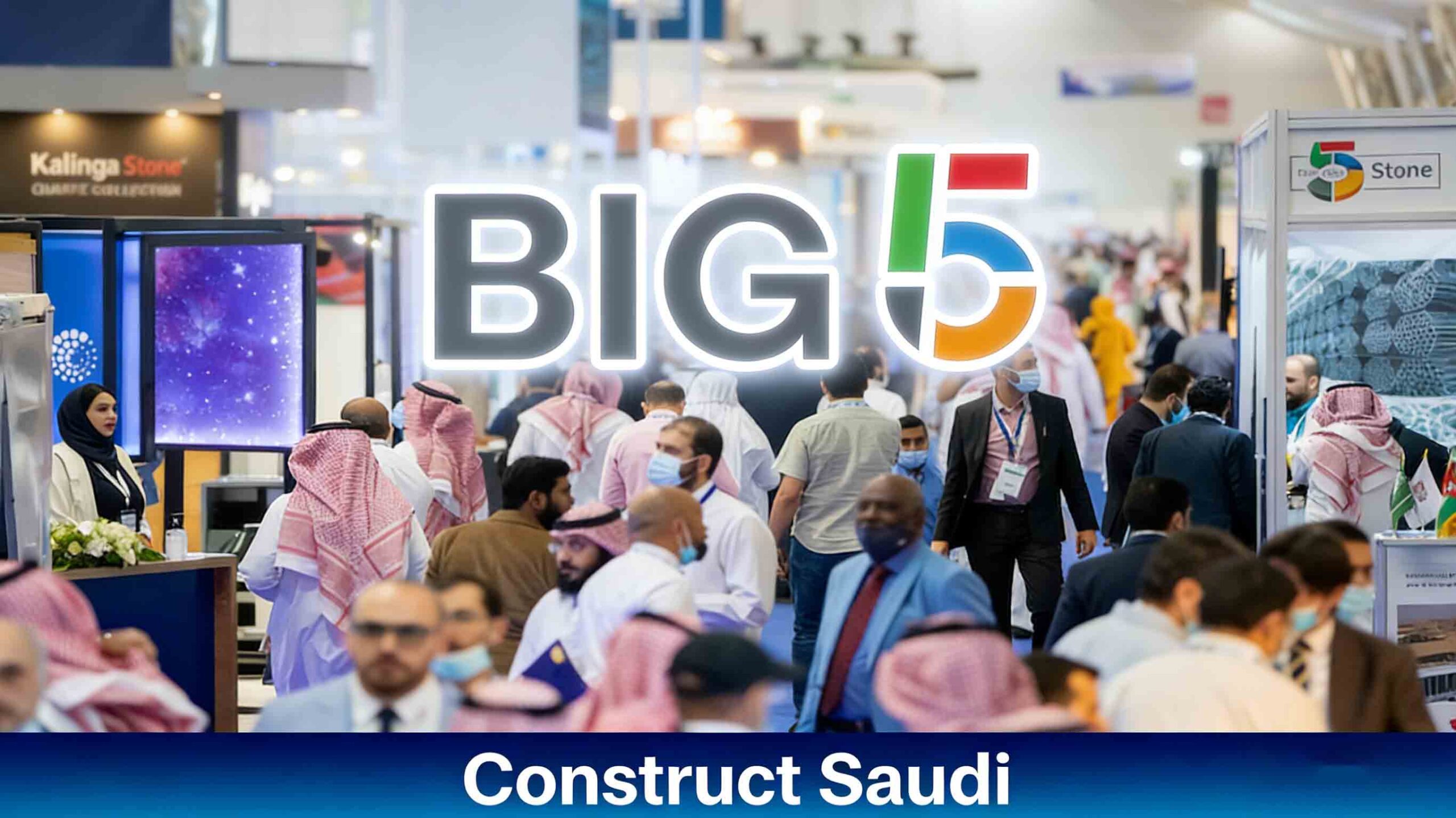
When global construction professionals talk about the Middle East today, the conversation inevitably turns to Saudi Arabia. Mega cities, giga projects, and unprecedented public investment are reshaping how materials are specified, sourced, and validated. In this context, The Big 5 Saudi has evolved into something far more consequential than a regional exhibition.
For stone and surface professionals, The Big 5 Saudi is now a strategic checkpoint. It is where design ambition meets regulatory reality, and where international manufacturers, regional distributors, and Saudi decision-makers align on what materials are acceptable, scalable, and compliant for the next decade of development.
Saudi Arabia’s Construction Cycle Is Structurally Different
Unlike fragmented private-led markets, Saudi Arabia’s construction pipeline is driven by coordinated national programs. This changes how stone and surface materials are evaluated.
Developers are no longer sourcing stone only for aesthetics. They are sourcing for:
• long-term supply stability
• standardized quality across massive volumes
• environmental documentation aligned with public-sector requirements
• factory-level reliability rather than trading flexibility
This structural shift explains why The Big 5 Saudi increasingly attracts stone manufacturers, processing factories, and surface technology suppliers rather than purely trading companies.
The Two-Week Format Signals a New Procurement Logic
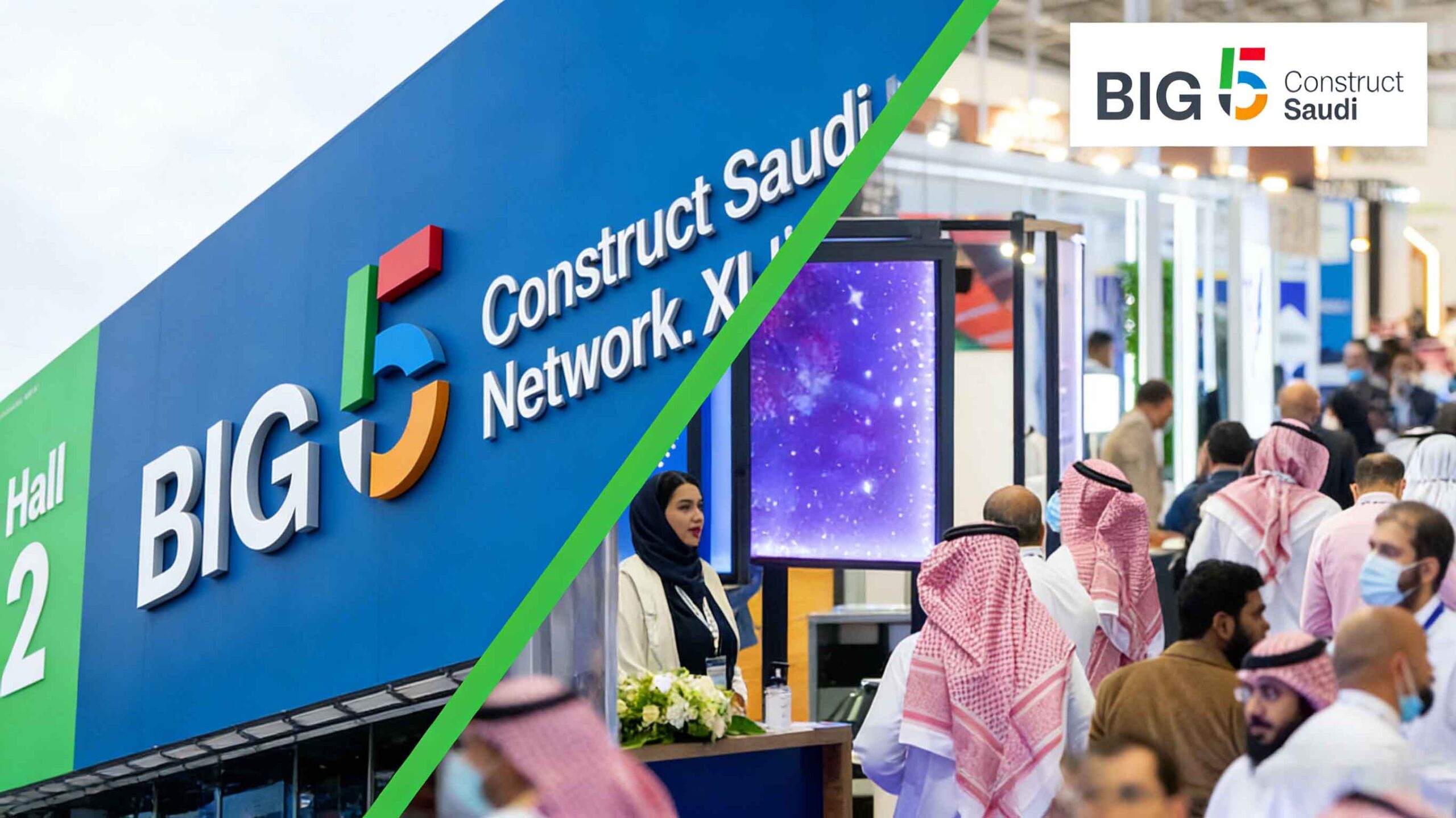
The Big 5 Saudi’s two-phase structure reflects how projects now progress in the Kingdom.
Design-to-Build Phase
This stage emphasizes specification, performance, and system compatibility. Architects and consultants look for stone that can scale across entire districts, not just single buildings. Material data, testing consistency, and previous mega-project references matter more than catalog variety.
Fit-Out to Services Phase
Here the conversation moves to logistics, installation systems, surface finishing, and lifecycle durability. Stone suppliers that understand packaging engineering, breakage control, and on-site handling gain clear advantages.
Together, these two phases turn The Big 5 Saudi into a live procurement simulation, not a static showroom.
Stone & Surface Demand Is Being Redefined by Regulation
Saudi Arabia is aligning its construction governance more closely with international frameworks, especially in public and semi-public developments.
Key regulatory signals shaping stone sourcing include:
• stronger emphasis on environmental performance documentation
• preference for materials with traceable quarry and factory origins
• durability benchmarks linked to lifecycle cost rather than upfront price
• alignment with regional sustainability initiatives under Vision 2030
This is why stone suppliers increasingly use exhibitions like The Big 5 Saudi to demonstrate compliance readiness, not just product samples.
Why Middle East Buyers Now Evaluate Factories, Not Just Stone
A critical shift visible on the show floor is buyer behavior. Procurement teams increasingly ask questions such as:
Can this factory maintain batch consistency over multiple years?
Does the supplier control processing in-house or outsource key steps?
Is packaging engineered for long-distance desert logistics?
Can documentation withstand tender audits?
These questions explain why stone factory credibility has become as important as quarry access.
This trend mirrors patterns seen at other globally influential events such as The Stone Surfaces Show 2026, where processing transparency and documentation maturity increasingly outweigh visual novelty.
Natural Stone’s Strategic Role in Saudi Mega Projects
Stone is not being replaced by engineered alternatives in Saudi Arabia. Instead, it is being repositioned.
Natural stone is favored for:
• urban landmarks requiring cultural permanence
• hospitality projects seeking material authenticity
• public spaces where lifecycle durability is critical
• projects aiming to reduce long-term maintenance exposure
Granite, limestone, and selected marbles remain core materials, but only when suppliers can meet industrial-scale expectations.
The Big 5 Saudi as a Gateway for Global Manufacturers
For international stone manufacturers, The Big 5 Saudi functions as a market qualification filter.
Exhibiting is no longer about lead volume. It is about demonstrating:
• capacity alignment with giga-scale demand
• logistics planning for Middle East climate conditions
• understanding of Saudi procurement workflows
• ability to cooperate with local partners and distributors
Suppliers that succeed here often unlock multi-year project pipelines rather than one-off orders.
Data Signals Behind the Shift
Independent industry reports indicate that Saudi Arabia’s construction sector is projected to exceed USD 1 trillion in planned developments by the early 2030s. A significant share of these projects involves stone-intensive applications such as facades, public plazas, transport hubs, and hospitality complexes.
At the same time, procurement cycles are lengthening. Material approval now occurs earlier in the design phase, increasing the value of exhibitions where decision-makers, specifiers, and manufacturers converge in one place.
Strategic Takeaway for Stone & Surface Suppliers
The Big 5 Saudi should not be approached as a branding exercise. It is a market entry and positioning tool.
Suppliers who benefit most are those who:
• treat the show as a compliance and capability presentation
• align messaging with Saudi project realities
• prioritize factory transparency over marketing language
• understand that specification today determines revenue five years later
Conclusion: Why The Big 5 Saudi Matters Beyond 2026
The Big 5 Saudi reflects a broader global shift. Construction markets are no longer fragmented by country; they are segmented by project scale, regulatory maturity, and risk tolerance.
Saudi Arabia sits at the center of this transition. For stone and surface professionals, understanding how The Big 5 Saudi functions is not optional—it is foundational to participating in the next generation of global construction sourcing.
FAQ
1. What is The Big 5 Saudi best known for?
The Big 5 Saudi is recognized as Saudi Arabia’s leading construction exhibition, bringing together building materials, technologies, and surface solutions aligned with national development projects.
2. Is The Big 5 Saudi suitable for stone manufacturers?
Yes. It is increasingly relevant for stone manufacturers and factories seeking long-term project supply opportunities rather than short-term trading deals.
3. How does Saudi regulation affect stone sourcing?
Saudi projects emphasize durability, traceability, and environmental documentation, making factory transparency and quality control essential.
4. What types of stone products are most in demand?
Granite, limestone, and architectural stone suitable for large-scale facades, public spaces, and hospitality developments dominate demand.
5. Can international suppliers compete with regional stone producers?
Yes, if they demonstrate scale capacity, documentation readiness, and logistics planning aligned with Saudi project requirements.
References
-
Global Construction Outlook, Deloitte Insights
-
Saudi Vision 2030 Construction Framework, Ministry of Investment Saudi Arabia
-
Natural Stone Market Analysis, Freedonia Group
-
Sustainable Construction Materials Report, World Green Building Council
-
Middle East Stone Industry Review, Stone World Magazine
-
Public Procurement and Material Compliance, OECD
-
Architectural Materials Lifecycle Study, RICS
-
Mega Project Supply Chain Risk Analysis, McKinsey & Company
What’s actually happening in Saudi stone & surface procurement right now?
Saudi Arabia’s construction pipeline is shifting toward programme-driven procurement where projects are planned at district scale and approvals happen earlier in the design phase. That changes material selection from “choose a pretty slab” to “prove you can deliver consistent performance, stable batches, and auditable documentation over time.” In practice, the show floor becomes a live audit: buyers judge whether your stone supply chain is controllable, repeatable, and tender-ready.
Why does The Big 5 Saudi matter more than smaller exhibitions?
Because it compresses the full decision chain—specifiers, project managers, contractors, and distributors—into one procurement moment. Instead of collecting brochures, stakeholders benchmark suppliers against project realities: desert logistics, installation speed, durability under heavy footfall, and maintenance risk exposure. The show’s relevance comes from how closely it matches the Kingdom’s real procurement rhythm, not from booth size.
How do “two weeks / two phases” reshape buyer questions?
The design-to-build phase pulls conversations toward specification logic: performance thresholds, testing, surface finishing suitability, and lifecycle expectations. The fit-out to services phase shifts focus to execution: packaging engineering, breakage control, site handling, and consistent lead-time commitments. Suppliers that can speak both languages—design compliance and site delivery—feel “project-safe,” which is a stronger buying trigger than pure aesthetics.
What options do suppliers have to win in Saudi—without racing to the bottom?
The winning options are capability-based, not discount-based. Some suppliers position as “documentation-first” partners, leading with traceability, testing reports, and compliance dossiers. Others position as “scale-and-stability” factories that prove production capacity, batch control, and packaging reliability for long routes. A third path is “system thinking”: offering stone plus finish guidance, installation recommendations, and maintenance logic that reduces project risk for contractors.
Consideration: what tends to break deals in this market (even with good stone)?
The most common deal-breakers are not visual. They’re operational: inconsistent colour batches, unclear origin data, weak packaging that fails in transit, and vague lead-time control. Another silent killer is “documentation mismatch”—when supplier documents look fine for marketing but don’t survive tender scrutiny. In Saudi mega projects, risk is priced into decisions; if you feel uncertain, you get replaced early.
Why/How sustainability is becoming a real sourcing filter (not a slogan)
Sustainability pressure increasingly shows up as documentation requirements: material traceability, responsible extraction narratives, and clearer lifecycle thinking around durability and maintenance. Even when a project is not explicitly “green-certified,” procurement teams still prefer suppliers who can support environmental reporting and consistent quality control because it reduces audit friction later. The key is to treat sustainability as “proof + process,” not “claims + keywords.”
Market signal: what this tells global manufacturers about 2026–2030
The Saudi market is moving toward fewer, more reliable suppliers who can support multi-year programmes. That means the competitive edge shifts to factories that can prove repeatability, documentation maturity, and regional readiness. For stone & surface suppliers, The Big 5 Saudi is becoming a qualification gate: show you can meet the Kingdom’s risk standards, and you’re positioned for long-cycle demand through Vision 2030-era projects.