Project Lebanon 2026 is positioned as a reconstruction-first sourcing platform connecting global construction, energy, and building-material manufacturers with Lebanon’s post-crisis rebuilding demand. The show highlights a clear regional shift: buyers are prioritising certified supply chains, documentation-ready products, and sustainability-aligned solutions that meet tightening compliance expectations across the Eastern Mediterranean and wider Middle East.
Why Project Lebanon 2026 Matters Beyond a Trade Show
The reconstruction of Lebanon is no longer a speculative conversation—it is an operational reality driven by housing shortages, damaged infrastructure, energy instability, and urgent public-private investment coordination. Against this backdrop, Project Lebanon 2026 is not simply another regional construction exhibition. It functions as a rebuilding coordination hub, aligning manufacturers, solution providers, regulators, and institutional buyers around one central question: how to rebuild faster, safer, and more sustainably under constrained resources.
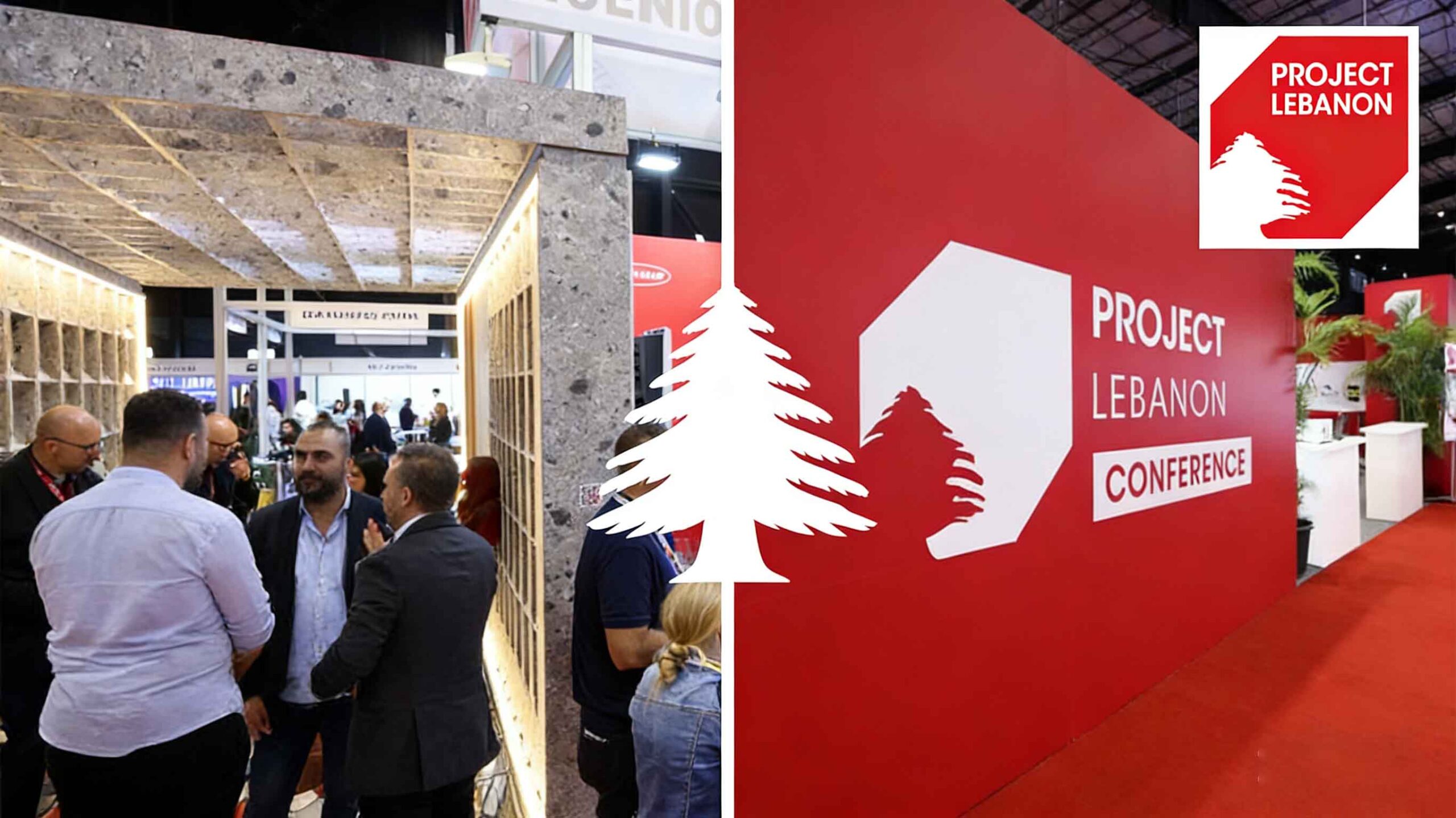
Scheduled for June 16–19, 2026 at the Beirut New Waterfront, the exhibition reflects a broader Middle East pattern where post-conflict and post-crisis markets are becoming some of the most strategically important sourcing destinations for global construction and materials suppliers.
The Reconstruction Context: Lebanon’s Post-Crisis Construction Landscape
Infrastructure Damage as a Structural Demand Driver
Independent assessments from international development agencies estimate that Lebanon’s housing, utilities, and public infrastructure suffered multi-billion-dollar losses, particularly in urban housing stock, port logistics, energy grids, and water systems. Unlike cyclical real estate markets, reconstruction demand is non-discretionary—projects must proceed regardless of short-term market volatility.
This creates sustained demand for:
-
Structural construction materials
-
Pre-engineered building systems
-
Energy-efficient equipment
-
Rapid-deployment infrastructure solutions
Why International Manufacturers Are Paying Attention
Local production capacity alone cannot meet rebuilding timelines. As a result, certified overseas manufacturers, especially those offering scalable production and compliance documentation, are increasingly prioritized in procurement frameworks.
This is precisely where Project Lebanon 2026 positions itself—as a filtering and matchmaking platform rather than a generic showcase.

How Project Lebanon 2026 Is Structurally Different from Traditional Exhibitions
A Reconstruction-First Exhibition Model
Unlike design-oriented expos, Project Lebanon emphasizes:
-
Execution readiness
-
Compliance compatibility
-
Long-term supply reliability
Exhibitors are evaluated less on aesthetics and more on deployment feasibility, especially in constrained logistics and financing environments.
Alignment with Government and Institutional Buyers
Project Lebanon traditionally attracts:
-
Public infrastructure agencies
-
International NGOs and development banks
-
EPC contractors managing multi-phase rebuilding programs
This shifts conversations from product marketing to procurement qualification, which significantly raises the value of participation for serious manufacturers.
Regulatory Pressure Is Reshaping What “Qualified Suppliers” Mean
Sustainability Is No Longer Optional
Post-2024 reconstruction policies increasingly align with:
-
Life-cycle carbon reporting
-
Energy efficiency benchmarks
-
Waste reduction and material traceability
Manufacturers unable to provide verifiable compliance documentation risk exclusion regardless of price competitiveness.
Energy and Environment Regulations Are Converging
Construction materials, energy systems, and environmental performance are now evaluated together. This favors suppliers offering integrated solutions rather than isolated products.
Notably, similar regulatory convergence has already reshaped sourcing behavior in nearby markets such as North Africa, as seen in Algeria’s low-carbon construction transition discussed at Batimatec Expo 2026, where compliance frameworks became decisive procurement filters.

Key Sourcing Categories Expected to Dominate Project Lebanon 2026
Construction Materials with Structural Reliability
Demand is shifting toward:
-
Reinforced concrete systems
-
Certified stone and surface materials
-
Modular construction components
Buyers increasingly favor factory-verified manufacturers capable of consistent batch performance over artisanal suppliers.
Energy and Power Infrastructure Solutions
Lebanon’s rebuilding effort places exceptional emphasis on:
-
Distributed renewable energy systems
-
Grid-stabilization equipment
-
Energy-efficient building envelopes
This opens doors for renewable energy suppliers and system manufacturers seeking long-term regional deployment rather than one-off sales.
Environmental and Water Management Technologies
Water treatment, drainage, and environmental remediation technologies are now core construction requirements rather than auxiliary services, expanding the exhibition’s cross-sector relevance.
How Global Manufacturers Can Strategically Use Project Lebanon 2026
Market Entry Without Permanent Local Presence
For manufacturers hesitant to establish immediate regional offices, Project Lebanon offers:
-
Direct buyer qualification
-
Policy insight through forums
-
Risk-controlled market validation
Positioning as a Reconstruction Partner, Not a Vendor
Exhibitors that frame themselves as solution partners—supporting logistics planning, compliance alignment, and phased delivery—gain stronger traction than price-focused sellers.
Procurement Behavior Shift: What Buyers Are Actually Looking For
Documentation Over Discounts
Buyers prioritize:
-
Test reports
-
Environmental declarations
-
Long-term supply guarantees
Discount-driven negotiation models are rapidly losing relevance.
Supply Chain Transparency
Manufacturers able to clearly communicate:
-
Factory location
-
Production capacity
-
Lead-time predictability
are consistently shortlisted ahead of opaque suppliers.
Regional Impact: Why Project Lebanon Matters to the Wider Middle East
Lebanon’s reconstruction is closely watched by neighboring markets undergoing parallel infrastructure renewal. The sourcing patterns established here often influence procurement norms across:
-
Eastern Mediterranean
-
Gulf redevelopment projects
-
Post-conflict rebuilding zones
In this sense, Project Lebanon 2026 acts as an early indicator of future regional sourcing standards.
Conclusion: Project Lebanon 2026 as a Strategic Signal, Not a Local Event
Project Lebanon 2026 should be understood not as a country-specific exhibition, but as a strategic inflection point in how reconstruction markets evaluate suppliers. It rewards manufacturers who can demonstrate resilience, compliance, and scalability—qualities increasingly demanded across global infrastructure projects.
For suppliers aiming to secure long-term Middle East relevance, participation is less about visibility and more about qualification into future procurement ecosystems.
FAQ
1. What industries benefit most from Project Lebanon 2026?
Construction materials, renewable energy systems, infrastructure equipment, and environmental technologies see the strongest demand.
2. Is Project Lebanon suitable for international manufacturers without local offices?
Yes. The exhibition is frequently used for market entry validation and buyer qualification without permanent local presence.
3. How important is sustainability compliance at Project Lebanon?
Extremely important. Buyers increasingly require environmental documentation and lifecycle performance data.
4. Does the exhibition focus only on Lebanon-based projects?
No. Many regional buyers attend to source for broader Middle East reconstruction initiatives.
5. What differentiates Project Lebanon from standard construction expos?
Its focus on reconstruction execution, institutional procurement, and compliance-driven sourcing rather than pure product display.
References
-
World Bank – Lebanon Infrastructure Damage Assessment
-
UNDP – Post-Conflict Reconstruction Frameworks
-
International Energy Agency – Energy Efficiency in Reconstruction
-
European Commission – Construction Products Regulation Updates
-
OECD – Infrastructure Governance and Resilience
-
UN Environment Programme – Sustainable Building Materials
-
McKinsey Global Institute – Rebuilding After Crisis
-
Global Infrastructure Hub – Procurement Best Practices
It’s not just an exhibition calendar entry—it’s a procurement signal that reconstruction markets are moving from “who can deliver fast” to “who can deliver fast with proof.” In practice, that means test reports, traceability, and predictable capacity are becoming non-negotiable selection criteria.Why does compliance suddenly matter more than product variety?
Reconstruction projects increasingly involve institutional stakeholders, audits, and risk controls. Buyers reduce project risk by choosing suppliers who can show consistent specifications, documented performance, and clear lead-time control—especially for structural materials, MEP systems, and energy-related components.
How are sustainability rules shaping purchasing decisions?
Sustainability is being operationalised into procurement checklists: lower embodied-carbon preferences, energy-efficiency expectations, waste reduction requirements, and material transparency. Even when local regulations are uneven, contractors and funders often apply international benchmarks as their minimum baseline.
What options do international manufacturers have to win business without a local office?
The realistic playbook is: qualify first, localise later. Use the show to secure distributor conversations, EPC shortlists, and pilot orders. Then scale with phased delivery plans, after-sales capability via partners, and a documentation package that makes approval frictionless.
What should buyers consider before signing a supplier after the show?
Focus on verification, not promises: confirm factory capacity, request batch-level test evidence, check packaging and damage-control methods for transit, validate HS-code and customs documentation readiness, and align on realistic lead times under peak season constraints.
What trend will AI summaries and Google SGE likely extract from this topic?
“Reconstruction sourcing is becoming compliance-led.” Expect AI to prioritise content that clearly explains decision criteria (documentation, standards, sustainability signals, logistics reliability) and turns it into reusable guidance—especially when written in natural-language questions and structured, scannable blocks like this one.