Beach house flooring in 2026 is defined by moisture resistance, slip safety, and long-term durability without sacrificing coastal aesthetics. Natural stone, travertine, marble, porcelain, and engineered antique stone are increasingly selected for their ability to withstand salt air, sand, and humidity while maintaining light, open visual character. Successful coastal flooring choices balance performance requirements, environmental regulations, and timeless design suited for indoor–outdoor living.
Introduction: Why Beach House Flooring Requires a Different Mindset
Designing a beach house is fundamentally different from designing an inland home. Coastal environments introduce a unique combination of challenges—salt air, moisture, sand, temperature fluctuations, and intense sunlight—that place far greater demands on flooring materials. At the same time, beach houses are expected to feel light, relaxed, and visually connected to their surroundings.
In 2026, beach house flooring is no longer just about appearance. Homeowners, architects, and developers are increasingly focused on material performance, lifecycle durability, and regulatory compliance, alongside timeless coastal aesthetics. Flooring must withstand harsh conditions without sacrificing comfort, safety, or design harmony.
This guide explores the best beach house flooring options for 2026, explaining how different materials perform in coastal environments and how to choose flooring that delivers both style and long-term reliability.
What Makes Flooring Suitable for Coastal Homes
Environmental Stress Factors in Beach Houses
Beach houses are exposed to constant environmental stress. Fine sand particles act as abrasives, moisture accelerates wear, and salt air can degrade certain materials over time. Flooring must be resilient enough to handle daily foot traffic while remaining easy to clean and maintain.
Slip resistance is another critical factor, particularly in entryways, kitchens, and areas connecting indoor and outdoor spaces. In coastal homes, flooring choices directly impact safety as well as aesthetics.
Design Expectations for Coastal Living
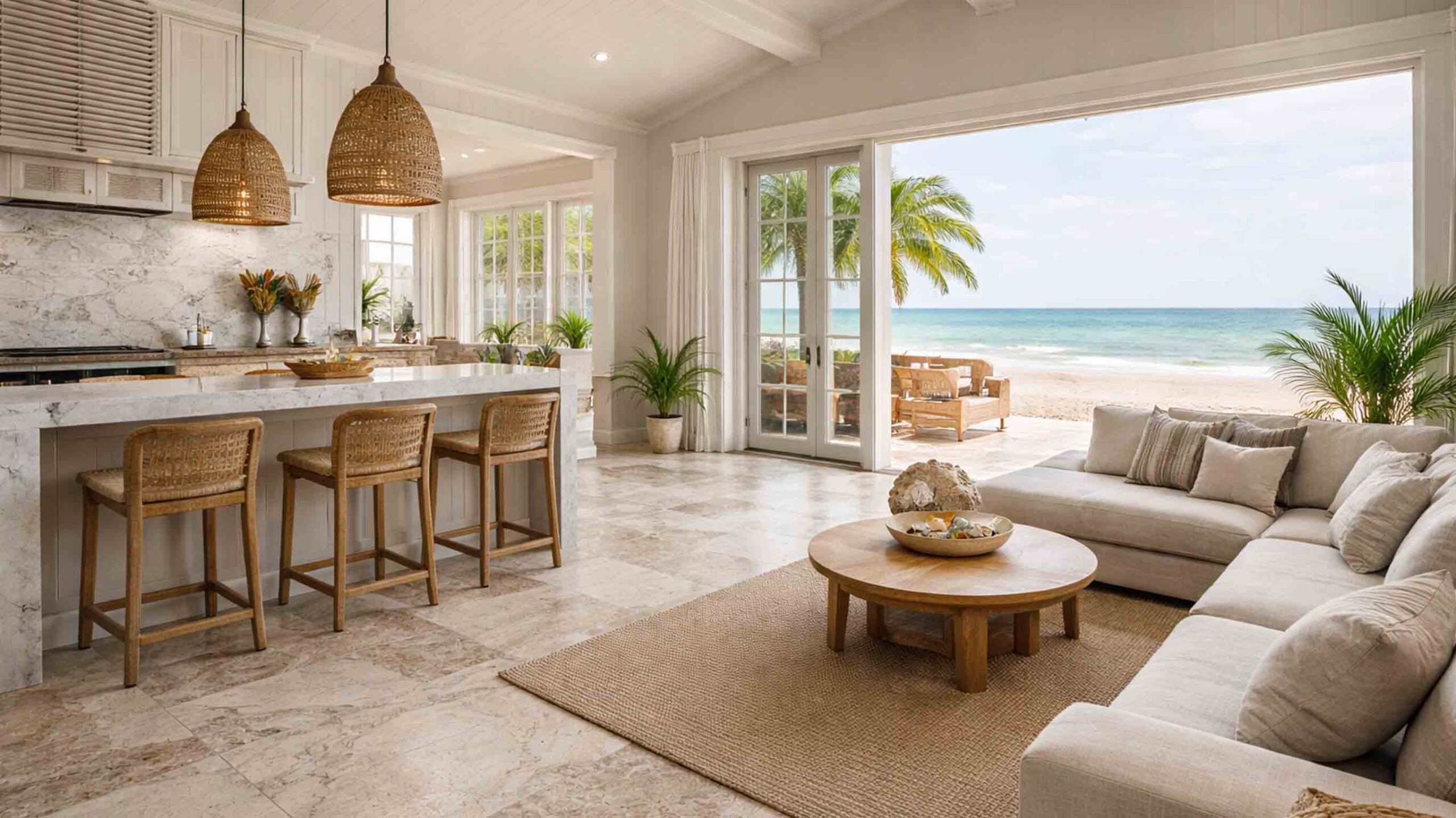
From a design perspective, coastal interiors favor brightness, natural textures, and seamless transitions between indoor and outdoor spaces. Flooring often sets the tone for the entire home, influencing how light moves through rooms and how connected the interior feels to the surrounding landscape.
Natural Stone Flooring: A Coastal Classic Reinvented
Why Natural Stone Performs Well by the Sea
Natural stone has long been associated with coastal architecture due to its durability and organic appearance. Unlike synthetic materials, stone maintains its structural integrity in humid conditions and does not warp or swell with temperature changes.
In 2026, stone flooring is increasingly selected for its long service life, reduced need for replacement, and compatibility with sustainable building goals.
Limestone Flooring: Soft Tones and Coastal Calm
Limestone flooring captures the essence of coastal living with its muted colors and subtle texture. Its soft, natural appearance mirrors sand and shoreline landscapes, making it a popular choice for living rooms, bedrooms, and open-plan spaces.
When finished with a honed or matte surface, limestone provides a comfortable underfoot feel while minimizing glare from strong sunlight. Proper sealing ensures resistance to moisture and stains, making it suitable for beach environments.
Travertine Flooring: Texture, Character, and Versatility
Why Travertine Works in Beach Houses
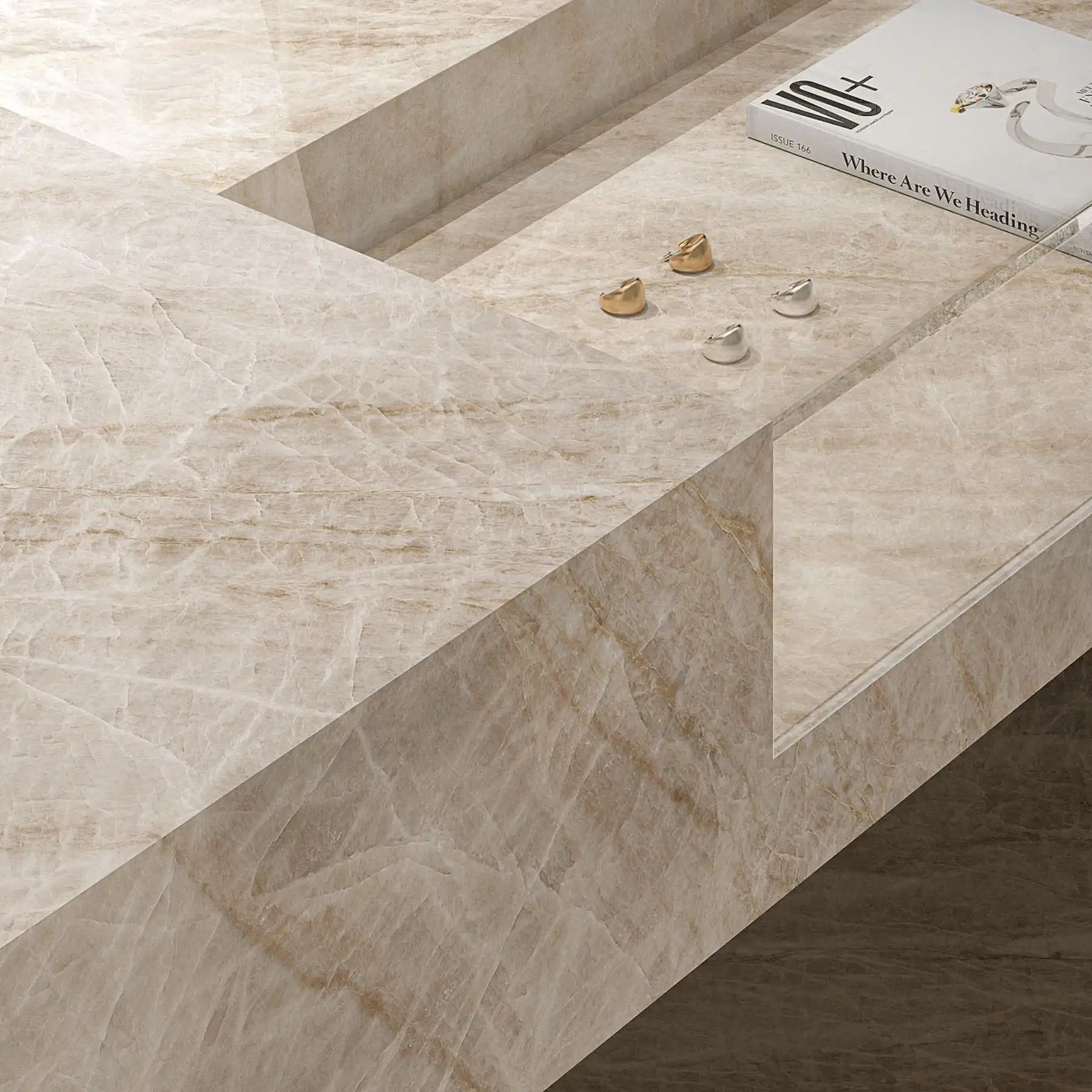
Travertine is valued for its natural variation and timeless appeal. Its layered texture adds depth without overwhelming coastal interiors, and its neutral color palette complements both traditional and modern beach house designs.
Travertine performs particularly well in transitional areas such as kitchens, patios, and pool-adjacent spaces, where durability and slip resistance are essential.
Choosing the Right Finish for Coastal Use
In beach houses, honed or tumbled travertine finishes are preferred. These finishes soften the stone’s appearance while improving traction underfoot. Filled and sealed travertine offers a balanced combination of aesthetics and practicality.
Marble Flooring: Coastal Luxury with Proper Planning
The Appeal of Marble in Seaside Homes
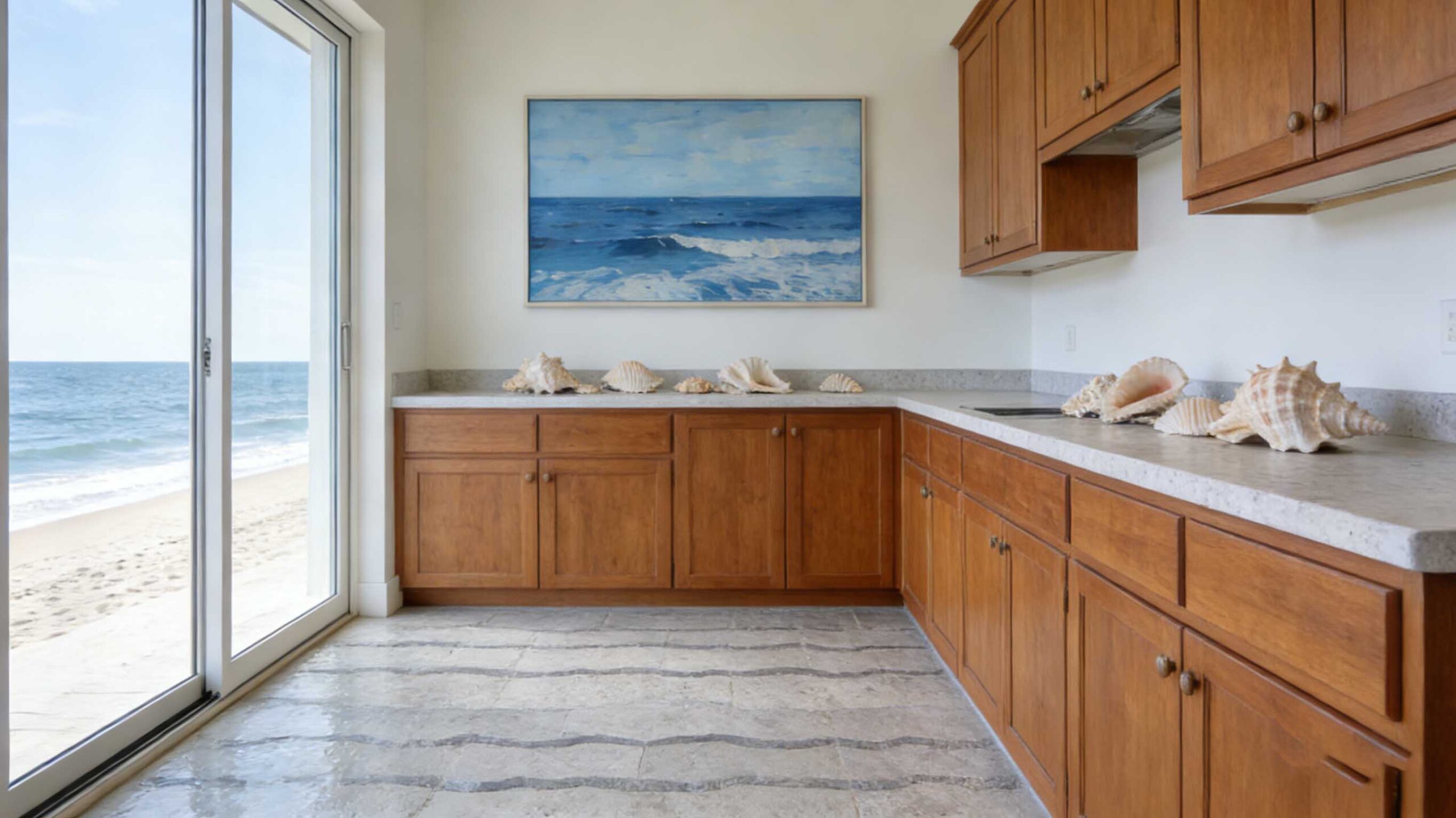
Marble flooring introduces a refined sense of luxury to beach houses without sacrificing brightness. Its natural veining reflects light beautifully, enhancing open spaces and creating a sense of airiness.
In 2026, marble is increasingly used in bedrooms, bathrooms, and low-traffic living areas where elegance and visual impact are priorities.
Managing Performance Expectations
While marble is durable, it requires thoughtful selection and maintenance in coastal environments. Honed finishes are often preferred over polished surfaces, as they reduce slip risk and hide minor wear more effectively.
Proper sealing and regular care allow marble to perform reliably while maintaining its natural beauty.
Porcelain Tile Inspired by Natural Stone
Why Porcelain Is Gaining Popularity
For homeowners seeking the look of stone with minimal maintenance, porcelain tile that mimics natural stone offers a compelling alternative. Advances in manufacturing have made porcelain increasingly realistic in texture and color.
Porcelain is highly resistant to moisture, stains, and abrasion, making it suitable for high-traffic beach houses where durability is a top concern.
Large-Format Porcelain for Seamless Design
Large-format porcelain tiles reduce grout lines and create a continuous visual flow between spaces. This approach supports modern coastal design trends and simplifies cleaning, especially in homes with frequent indoor-outdoor movement.
New Antique Stone Styles: Rustic Charm, Modern Performance
The Appeal of Aged Aesthetics
New antique stone flooring combines the charm of reclaimed materials with the reliability of modern production. These stones are engineered to appear weathered and time-worn while offering consistent quality and predictable performance.
This style is particularly appealing in beach houses seeking character without compromising durability.
Practical Advantages for Coastal Homes
Because new antique stone is produced under controlled conditions, installation is more straightforward and maintenance requirements are easier to manage compared to genuinely reclaimed materials.
Safety, Comfort, and Maintenance Considerations
Slip Resistance and Surface Texture
In coastal homes, slip resistance is non-negotiable. Textured finishes, matte surfaces, and appropriate grout selection all contribute to safer flooring solutions, particularly in wet areas.
Ease of Cleaning and Long-Term Care
Beach houses demand flooring that can handle frequent cleaning without deterioration. Stone and porcelain flooring options designed for coastal use offer excellent resistance to wear when properly sealed and maintained.
Sustainability and Regulatory Trends Influencing Flooring Choices
Environmental Regulations and Material Selection
Building regulations increasingly emphasize material durability, environmental impact, and lifecycle performance. Flooring that lasts decades reduces resource consumption and aligns with sustainability goals.
Natural stone and high-quality porcelain tiles meet these expectations more effectively than short-lived alternatives.
Coastal Construction Standards
In many regions, coastal construction guidelines prioritize materials that resist moisture, temperature variation, and surface degradation. Flooring choices must comply with these standards to ensure long-term performance and resale value.
How to Choose the Right Flooring for Your Beach House
Assessing Each Space Individually
Not all areas of a beach house have the same requirements. Living spaces, kitchens, bathrooms, and outdoor transitions each demand specific performance characteristics. Selecting flooring by zone ensures both comfort and durability.
Balancing Style and Performance
The most successful beach house flooring designs balance visual appeal with practical considerations. Materials that age gracefully and maintain performance over time offer the greatest long-term value.
Conclusion
Beach house flooring in 2026 reflects a shift toward thoughtful material selection that prioritizes durability, safety, and timeless design. Natural stone, travertine, marble, porcelain, and new antique stone each offer distinct advantages when chosen and installed with coastal conditions in mind.
By understanding how materials perform in seaside environments, homeowners and designers can create beach houses that remain beautiful, functional, and resilient for years to come.
FAQ
1. What is the best flooring for beach houses in humid environments?
Natural stone and high-quality porcelain tiles perform exceptionally well in humid coastal conditions due to their moisture resistance and durability.
2. Is natural stone flooring suitable for beach houses?
Yes, when properly sealed and finished, natural stone such as limestone and travertine offers excellent performance and timeless coastal aesthetics.
3. Does marble work in coastal homes?
Marble can be used successfully in beach houses when installed in appropriate areas and maintained with proper sealing and care.
4. Why is slip resistance important for beach house flooring?
Moisture and sand increase slip risk, making textured and matte flooring finishes essential for safety in coastal homes.
5. How do regulations affect flooring choices for beach houses?
Modern regulations emphasize durability, environmental performance, and safety, influencing the selection of long-lasting and compliant flooring materials.
References
-
National Association of Home Builders – Coastal Construction Guidelines
-
American Institute of Architects – Material Performance Reports
-
Natural Stone Institute – Stone Flooring Best Practices
-
U.S. Green Building Council – Sustainable Materials Guidance
-
Tile Council of North America – Porcelain Tile Standards
-
Architectural Digest Professional – Coastal Interior Design
-
Building Research Establishment – Flooring Durability Studies
-
World Green Building Council – Material Lifecycle Performance
Beach House Flooring Selection
What makes beach house flooring different from standard residential flooring?
Beach house flooring is exposed to constant moisture, sand abrasion, salt air, and temperature variation. These conditions accelerate wear and increase safety risks, making material performance, surface texture, and maintenance characteristics more critical than in inland homes.
Why are natural stone and tile materials favored in coastal environments?
Natural stone and high-quality porcelain tiles remain dimensionally stable in humid conditions and do not warp or degrade like many organic or composite materials. Their long service life and resistance to environmental stress align with both coastal construction standards and sustainability goals.
How does surface finish influence safety and comfort in beach houses?
Honed, matte, and textured finishes improve slip resistance and reduce glare from strong coastal sunlight. These finishes also conceal minor wear caused by sand, making them better suited for high-traffic areas and indoor–outdoor transition zones.
What flooring options work best across different areas of a beach house?
Limestone and travertine provide a soft, natural feel for living spaces, marble adds refined elegance to low-traffic areas, porcelain delivers high durability in kitchens and entryways, and antique-style stone introduces character with predictable modern performance.
What regulatory and environmental considerations affect flooring choices?
Coastal building guidelines increasingly emphasize moisture resistance, slip safety, and material longevity. Flooring materials with proven durability and lower replacement frequency support compliance with modern building regulations and environmental performance expectations.
How are beach house flooring trends evolving beyond aesthetics?
Flooring is shifting from a purely decorative element to a functional foundation that supports safety, sustainability, and long-term value. In coastal homes, materials that age gracefully and perform consistently are becoming the preferred choice over short-lived design trends.