Natural marble is shaped by geological formation, modern quarrying techniques, controlled processing, and global regulatory standards before reaching architectural use. In today’s construction industry, marble is increasingly valued not only for aesthetics, but for durability, traceability, and long lifecycle performance. Understanding how marble moves from quarry to finished application helps architects and buyers evaluate material reliability, sustainability impact, and long-term design suitability.
Introduction: Why Marble Still Defines Architectural Permanence
Natural marble has shaped architecture for thousands of years, yet its relevance in modern construction has not diminished. From ancient temples and sculptures to contemporary residential interiors and civic buildings, marble continues to represent durability, prestige, and geological authenticity.
What many designers and buyers overlook is that marble is not simply a finished surface—it is the result of a complex supply chain involving geology, extraction technology, processing standards, environmental regulation, and global logistics. Understanding this chain is increasingly important as sustainability, traceability, and material performance become central to architectural decision-making.
This article offers a comprehensive look at how marble moves from quarry to architecture, explaining the technical, environmental, and industrial factors that define modern marble production and application.
Geological Origins of Natural Marble
How Marble Is Formed Beneath the Earth
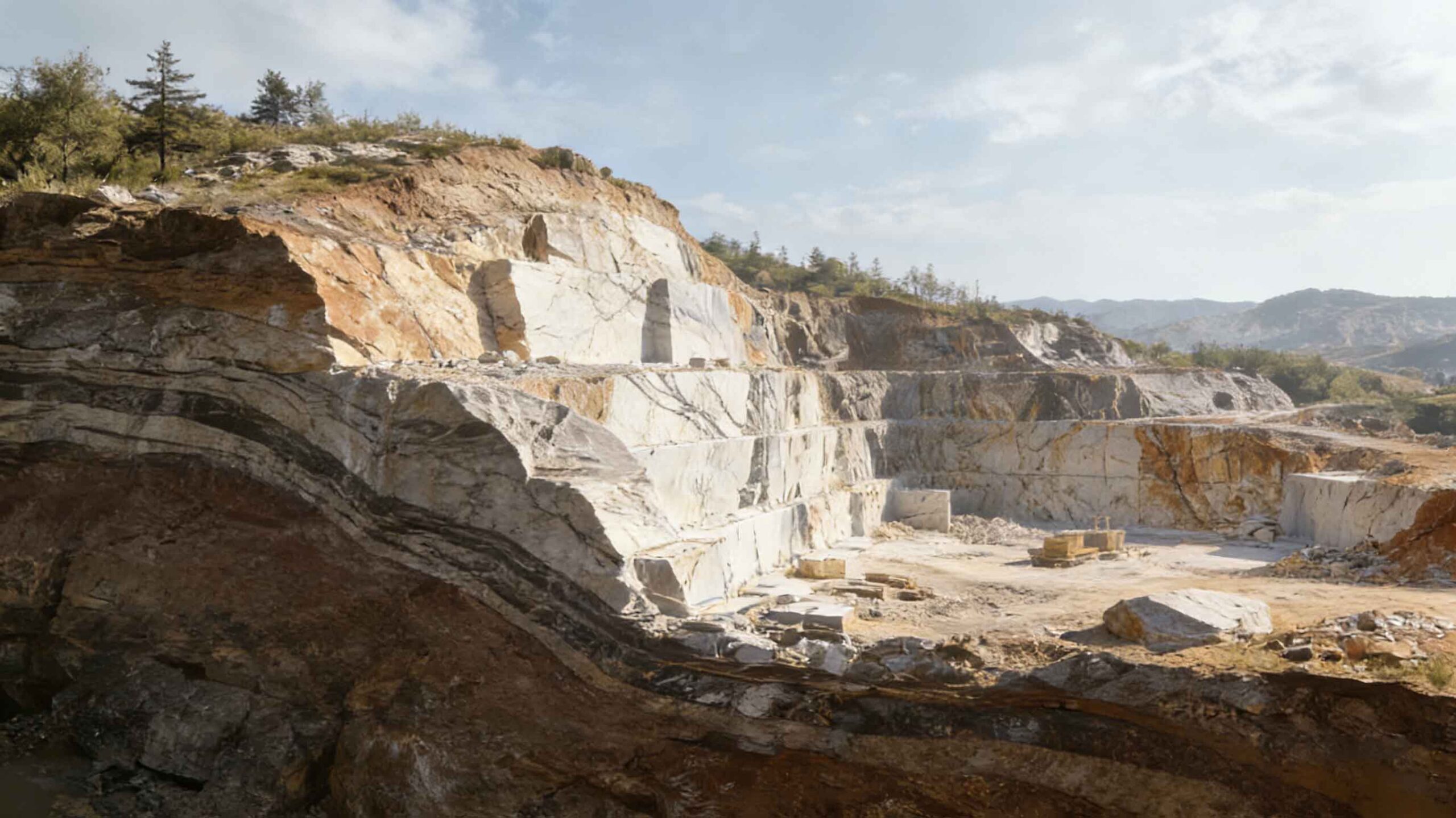
Marble is a metamorphic stone formed when limestone undergoes extreme heat and pressure deep within the Earth’s crust. This process recrystallizes calcium carbonate minerals, creating a dense, durable structure with distinctive veining patterns.
The specific appearance of marble—its color, grain size, and movement—is determined by mineral impurities present during formation. Iron oxides, graphite, clay, and organic materials contribute to variations ranging from pure white to gray, beige, green, and dramatic multi-tonal surfaces.
Why Geological Consistency Matters
From an industrial perspective, geological consistency is critical. Quarries with stable formations allow for predictable block quality, higher yield rates, and consistent slab production. This reliability is especially important for large architectural projects requiring uniform material across extensive surfaces.
Marble Quarrying: From Mountain to Block
Modern Quarrying Techniques
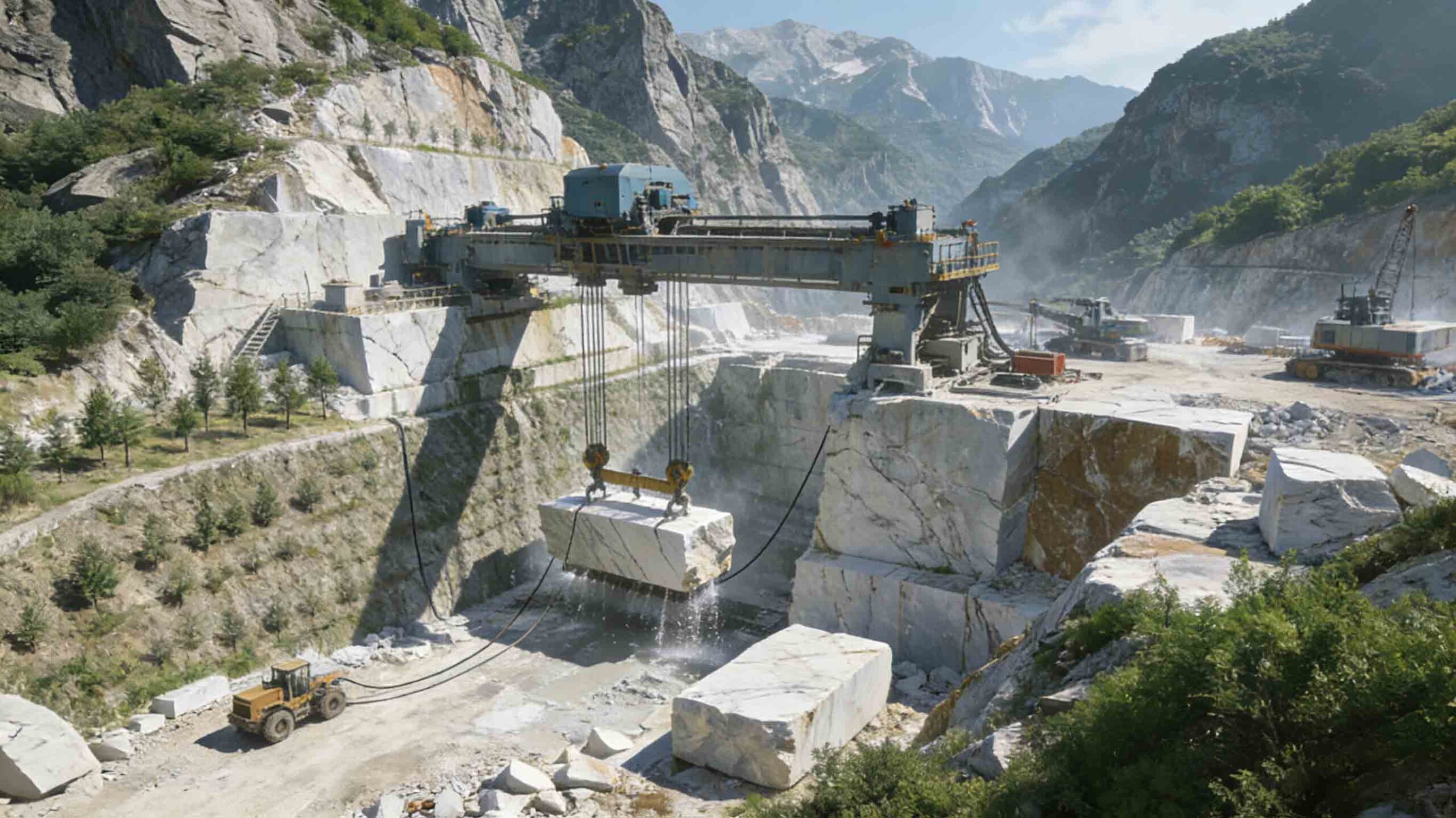
Today’s marble quarrying relies on advanced cutting technologies rather than explosive extraction. Diamond wire cutting systems allow operators to separate massive marble blocks with precision, minimizing internal stress and material waste.
This method not only improves block quality but also supports safer working conditions and reduced environmental disruption compared to traditional techniques.
Environmental and Safety Considerations
Quarrying operations are increasingly regulated to control dust emissions, noise levels, water usage, and landscape restoration. Many regions require post-extraction rehabilitation plans to ensure long-term environmental balance.
Worker safety has also become a major focus, with strict standards governing equipment operation, block handling, and slope stabilization.
Marble Block Selection and Classification
Grading Raw Marble Blocks
Once extracted, marble blocks are graded based on structural integrity, visual consistency, and defect presence. Cracks, fissures, and excessive mineral inclusions can affect suitability for certain applications.
High-grade blocks are reserved for architectural slabs, while lower-grade material may be used for tiles, decorative elements, or sculptural purposes.
Size and Weight Considerations
A single marble block can weigh between 20 and 30 metric tons. Handling, transport, and processing require specialized equipment and planning to prevent damage and ensure efficiency throughout the supply chain.
Processing Marble: From Block to Slab
Cutting and Slab Production
Blocks are transported to processing facilities where they are cut into slabs using gang saws or multi-wire cutting machines. Precision is critical to maintain consistent thickness, especially for large-format slabs used in modern architecture.
Advancements in cutting technology have significantly reduced material loss while improving surface quality.
Surface Finishing Options
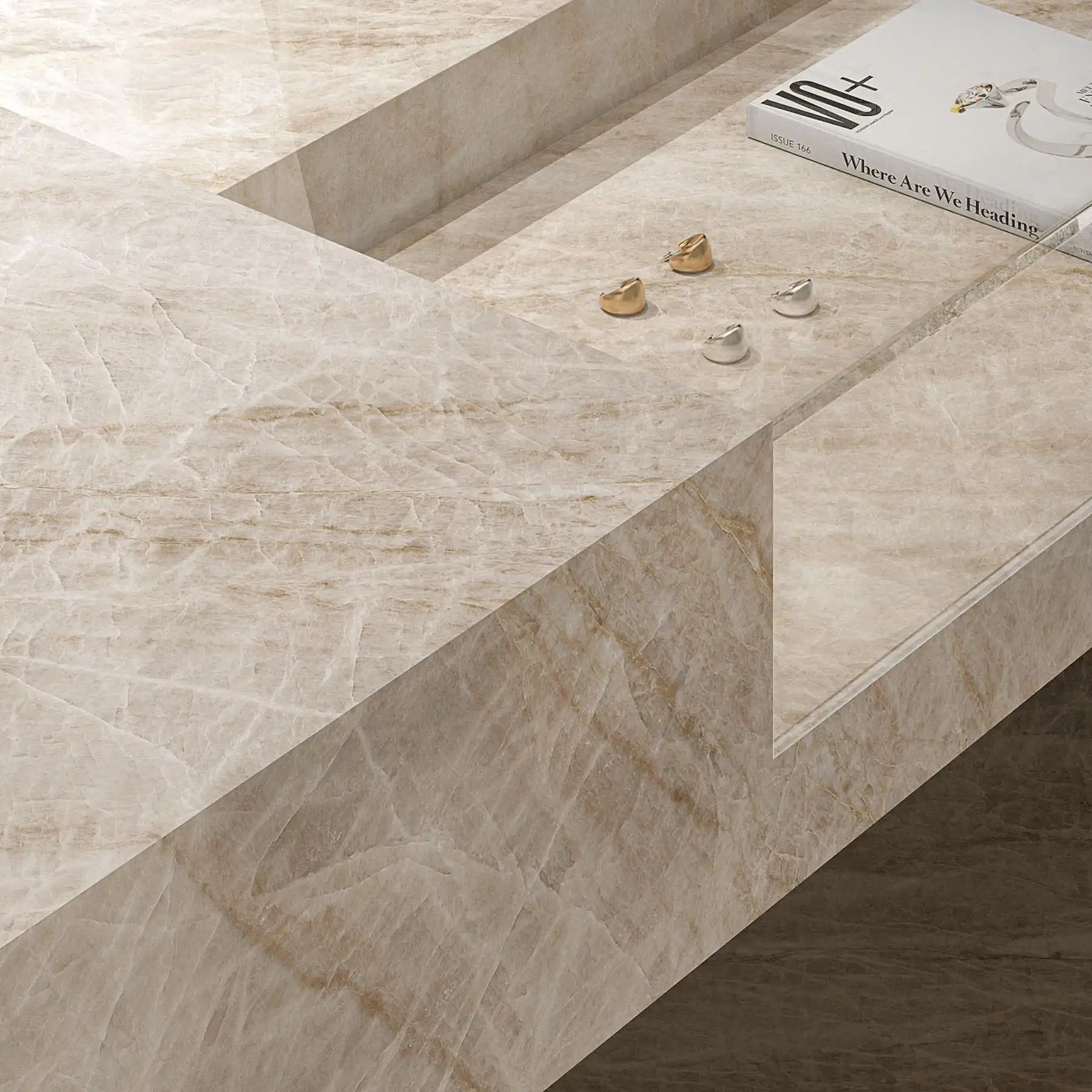
After cutting, slabs undergo surface treatment to achieve the desired finish. Common finishes include polished, honed, brushed, leathered, and textured surfaces. Each finish affects not only appearance but also slip resistance, maintenance requirements, and suitability for specific environments.
Quality Control and Standardization
Dimensional Accuracy and Performance Testing
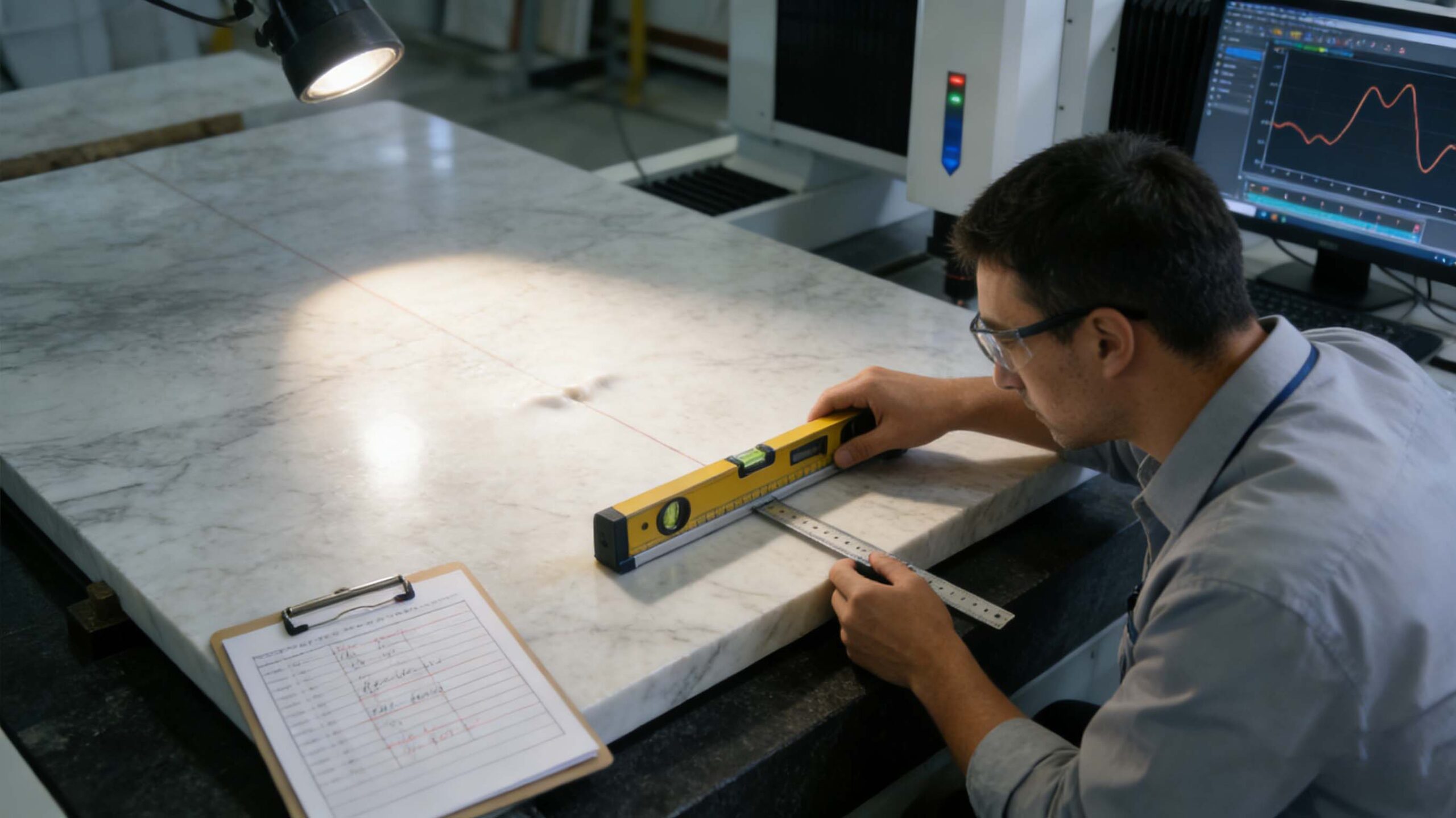
Quality control ensures slabs meet dimensional tolerances, structural stability requirements, and visual standards. Thickness variation, surface flatness, and edge precision are carefully monitored.
Some markets also require testing for water absorption, compressive strength, and abrasion resistance to ensure compliance with building codes.
Batch Consistency for Large Projects
For large architectural projects, batch consistency is critical. Variations between production batches can result in visible differences once installed, making careful planning and documentation essential.
Historical Significance of Marble in Architecture
Marble as a Cultural Material
Throughout history, marble has symbolized permanence and authority. Its use in temples, monuments, and public buildings reflects its ability to withstand time while maintaining aesthetic dignity.
Historical examples continue to influence modern design philosophy, reinforcing marble’s role as more than a decorative surface.
Lessons from Historical Construction
Many ancient marble structures remain intact after centuries, providing real-world evidence of marble’s durability. These examples inform modern architects seeking materials with proven long-term performance.
Marble in Contemporary Architecture
Residential Applications
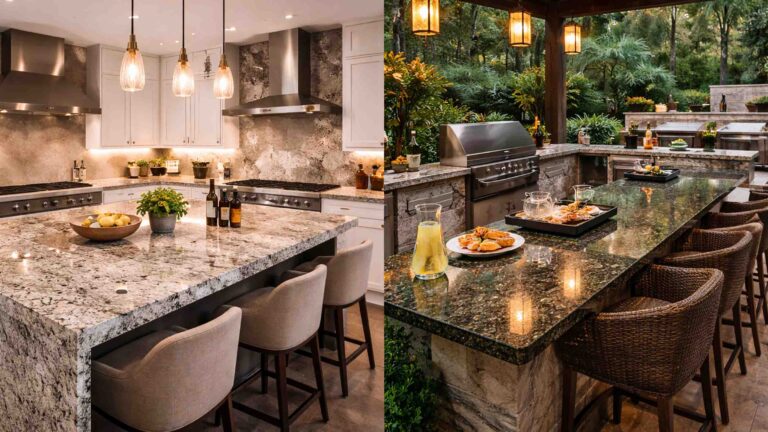
In residential design, marble is used for flooring, countertops, wall cladding, staircases, and feature elements. Designers favor marble for its ability to elevate spaces without relying on artificial finishes.
Commercial and Public Spaces
Marble’s durability makes it suitable for hotels, museums, airports, and government buildings. Its resistance to wear and ability to age gracefully align with high-traffic environments.
Sustainability and Regulatory Landscape
Environmental Impact of Marble Production
While quarrying alters natural landscapes, marble’s long lifespan and minimal chemical processing offer sustainability advantages compared to synthetic materials with shorter service lives.
Lifecycle assessments increasingly recognize marble as a responsible choice when sourced and processed under regulated conditions.
Global Regulations Affecting Marble Supply
Many regions enforce strict quarrying permits, environmental impact assessments, and worker safety standards. Compliance with these regulations influences where and how marble is extracted and processed.
Global Supply Chain and Trade Dynamics
Export-Oriented Marble Production
Marble is a globally traded material, with production regions supplying international markets. Efficient logistics, packaging, and documentation are essential for maintaining quality during transport.
Buyer Expectations in Global Markets
Modern buyers expect transparency, consistent quality, and technical support. Suppliers are increasingly evaluated on their ability to provide reliable information alongside material supply.
Future Outlook: Marble in a Changing Construction Industry
Technology and Automation
Automation in cutting, handling, and inspection is improving efficiency and reducing waste. These advancements support higher production standards and lower environmental impact.
Marble as a Strategic Material
As construction prioritizes longevity and sustainability, marble’s role as a strategic architectural material continues to strengthen. Its geological authenticity and performance characteristics position it well for future demand.
Conclusion
Natural marble remains one of the most enduring materials in architecture, not because of tradition alone, but because of its proven performance, adaptability, and authenticity. From geological formation to quarrying, processing, and application, marble represents a carefully managed journey rather than a simple decorative choice.
Understanding this journey allows architects, developers, and buyers to make informed decisions that align with both design ambition and long-term responsibility.
FAQ
1. How is natural marble extracted from quarries?
Natural marble is extracted using diamond wire cutting systems that separate large blocks with precision, reducing internal stress and material waste.
2. What determines the quality of marble blocks?
Quality depends on structural integrity, consistency of veining, absence of cracks, and geological stability of the quarry formation.
3. Is marble considered a sustainable building material?
When responsibly sourced and processed, marble offers long lifespan, durability, and minimal chemical treatment, supporting sustainable construction goals.
4. What finishes are most common for architectural marble?
Common finishes include polished, honed, brushed, and leathered surfaces, each suited to different functional and aesthetic requirements.
5. Why is marble still used in modern architecture?
Marble combines durability, natural beauty, and long-term performance, making it suitable for both residential and commercial architectural applications.
References
-
Natural Stone Institute – Stone Quarrying and Processing
-
British Geological Survey – Metamorphic Stone Studies
-
European Commission – Construction Materials Regulation
-
International Labour Organization – Quarry Safety Standards
-
American Institute of Architects – Material Performance Reports
-
Global Stone Congress – Stone Industry Development
-
Architectural Review – Natural Stone in Modern Design
-
World Green Building Council – Material Lifecycle Assessment
Natural Marble Supply Chain
What defines natural marble as a long-term architectural material?
Natural marble is defined by its geological origin, dense crystalline structure, and proven durability across centuries of use. Unlike synthetic materials, marble does not rely on chemical bonding or surface coatings to maintain performance, which makes it inherently stable over long service lifespans.
Why does the quarrying process matter to final marble quality?
The way marble is extracted directly affects internal stress, structural integrity, and slab consistency. Modern quarrying methods such as diamond wire cutting allow large blocks to be separated with precision, reducing hidden fractures and improving suitability for architectural-scale applications.
How does processing transform raw marble into architectural products?
Processing converts quarry blocks into slabs through controlled cutting, calibration, and surface finishing. Each stage—thickness control, finish selection, and batch management—plays a role in how marble performs in flooring, cladding, countertops, and structural elements.
What options do architects and buyers consider when specifying marble?
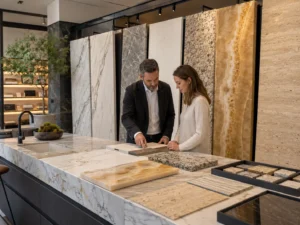
Key options include slab size, surface finish, visual consistency, and application environment. Large-format slabs reduce joint lines, while honed or textured finishes improve safety and maintenance performance in high-traffic or public spaces.
What regulatory and sustainability factors influence marble sourcing today?
Marble sourcing is increasingly shaped by environmental permits, worker safety standards, and material traceability requirements. Many projects now evaluate marble based on lifecycle durability and compliance readiness rather than short-term aesthetic trends.
How is marble positioned within future construction trends?
As architecture shifts toward longevity, reduced material replacement, and lower lifecycle impact, marble is regaining importance as a strategic material. Its ability to meet structural, environmental, and design expectations positions it as a reliable choice for future-oriented construction.