What Exactly Is Volakas Marble?
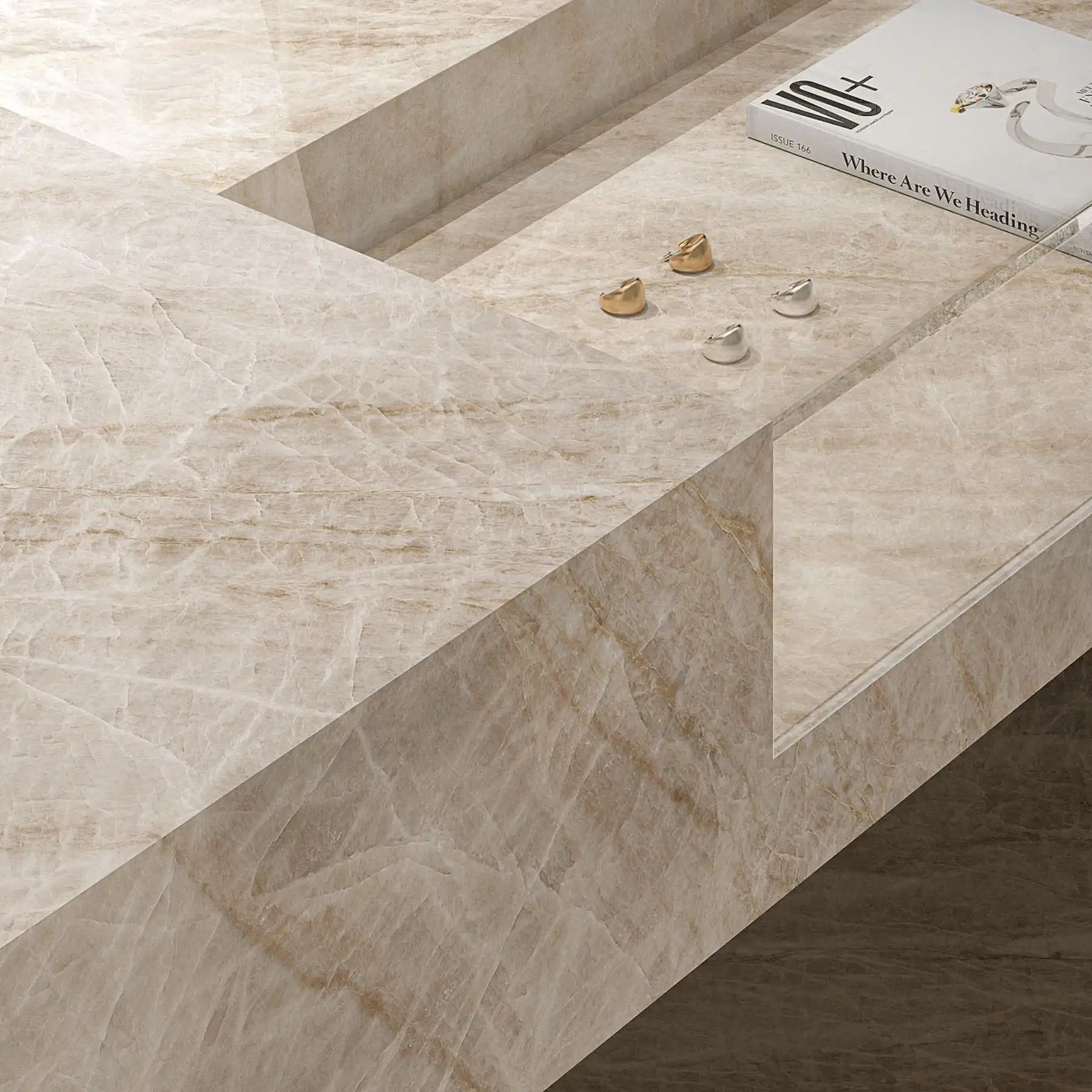
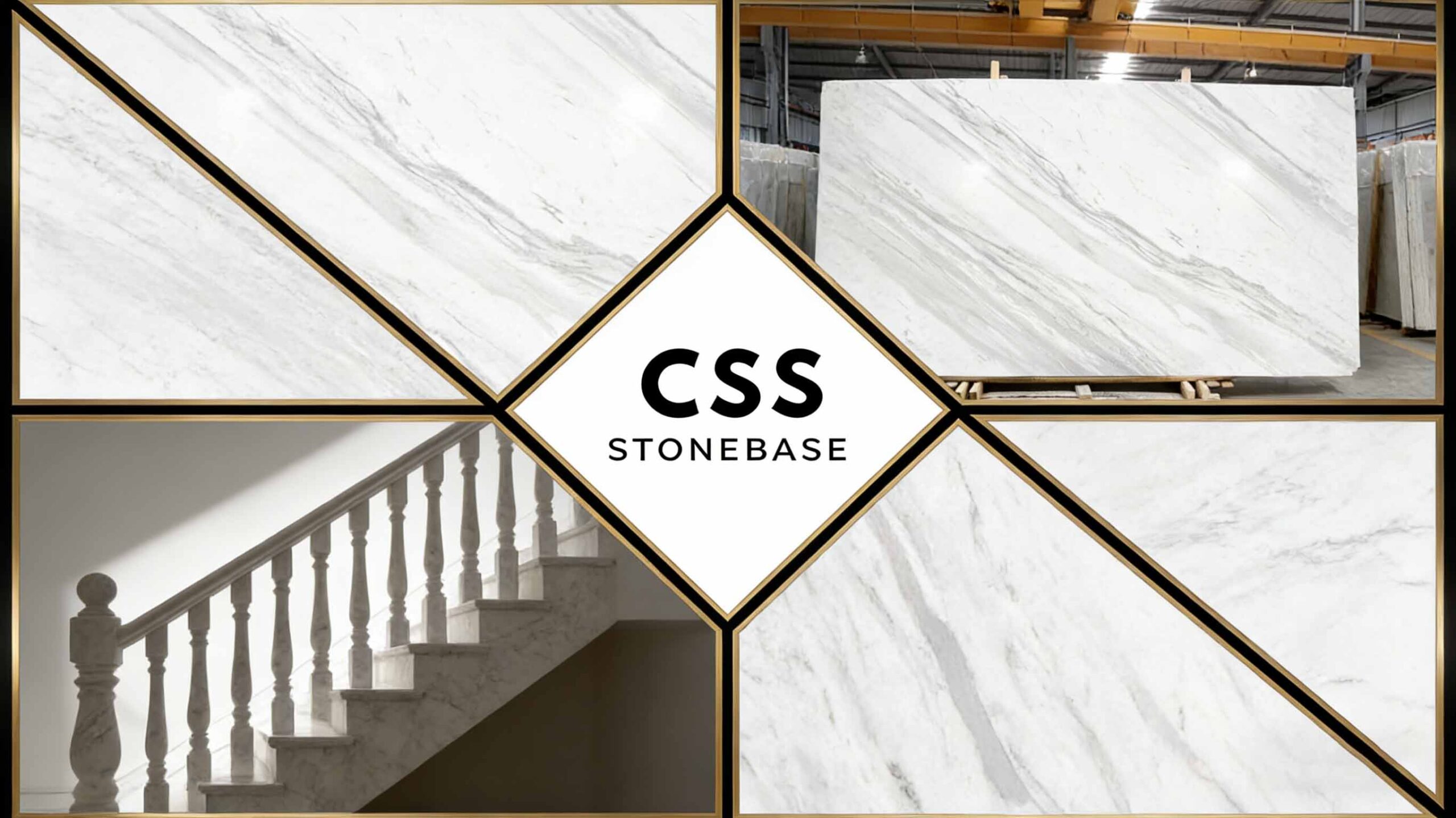
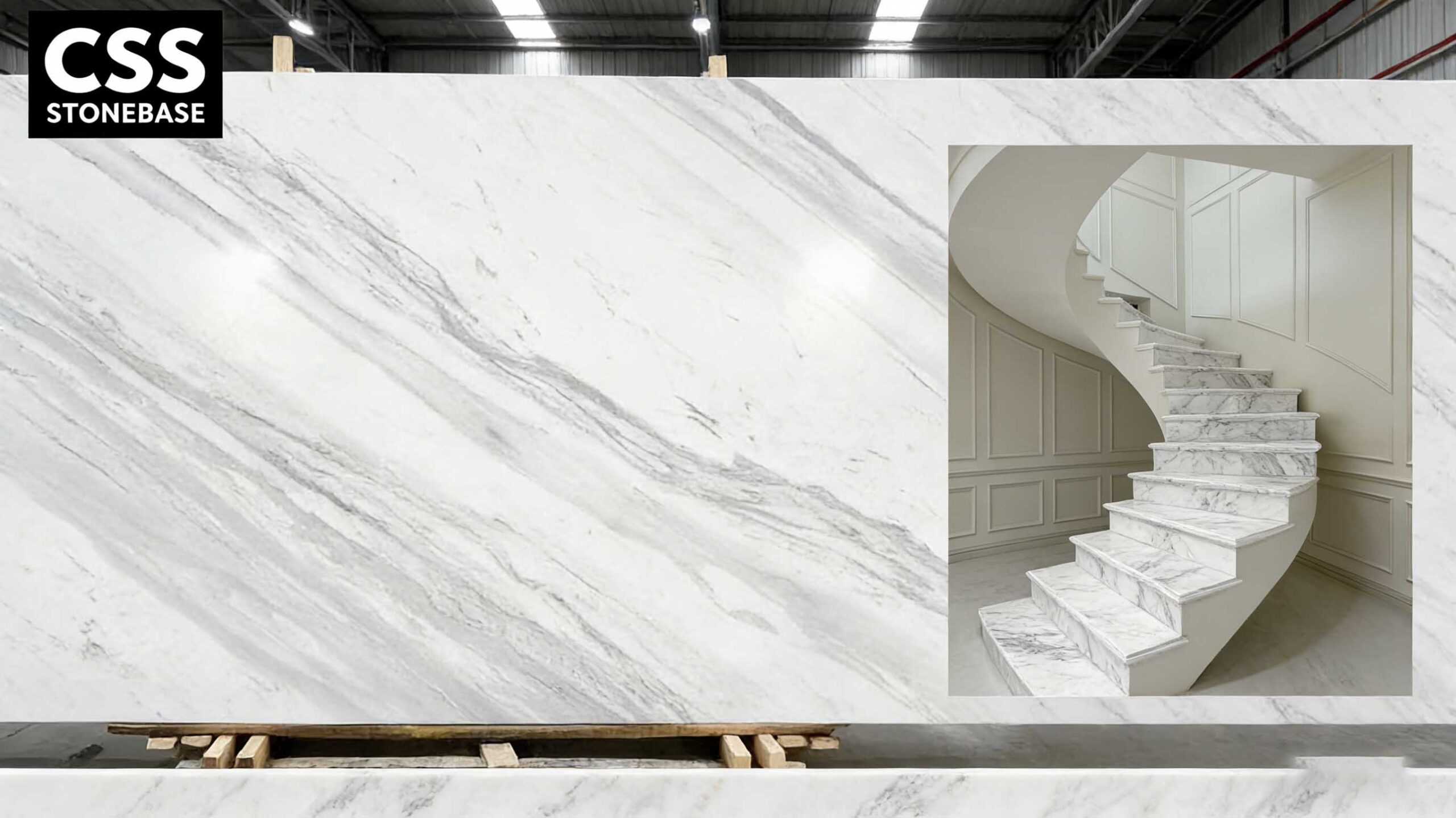
Volakas Marble is a Greek white marble known for its clean, bright base and soft-to-strong grey veining that reads “calm luxury” rather than “look at me.” Designers like it because it can feel modern (minimal grey ribbons) or classical (more dramatic diagonal veining), depending on slab selection and finish.
In procurement terms, Volakas sits in a useful sweet spot: it’s recognisable enough to reassure clients, but it’s not so visually noisy that it forces the entire design around it. If you’re specifying for high-visibility surfaces—kitchen islands, bathroom vanities, shower walls, feature panels—Volakas gives you a premium white-marble look with a more architectural, less “busy” movement.
Where Does Volakas Marble Come From, and Why Does Origin Matter?
Volakas is quarried in Greece (commonly associated with the Drama region). Origin matters for three reasons that buyers often overlook:
First, consistency and naming. “Volakas” may appear under multiple trade aliases in different markets, so origin-backed documentation helps avoid surprises when you’re matching samples to production slabs.
Second, compliance documentation. In the EU, construction products are moving toward deeper traceability and structured, machine-readable product information via the new Construction Products Regulation framework, including digital product passport requirements for certain product categories and harmonised processes.
Third, project acceptance. Public and large commercial projects increasingly ask for verifiable sustainability and supply-chain data—sometimes because of client policy, sometimes because of procurement rules that reference minimum environmental performance.
Volakas Marble Performance Data and What It Means in Real Projects
When people say “marble is marble,” your fabricator quietly smiles and prepares a change order. Performance is not just a lab value; it’s a risk forecast.
Below are commonly published test ranges for Volakas Marble seen in technical listings:
| Property | Typical Published Value | Why You Should Care |
|---|---|---|
| Water absorption | ~0.19% by weight | Lower absorption generally supports better stain resistance, but sealing and use habits still matter. |
| Density | ~2825 kg/m³ | Useful for structural load calculations and transport planning. |
| Flexural strength | ~6.0–8.87 MPa | Matters for thin panels, long spans, and cantilever details. |
| Compressive strength | ~137–140 MPa | Helps assess suitability for flooring and heavy-use surfaces. |
Practical translation:
If you’re using it for countertops
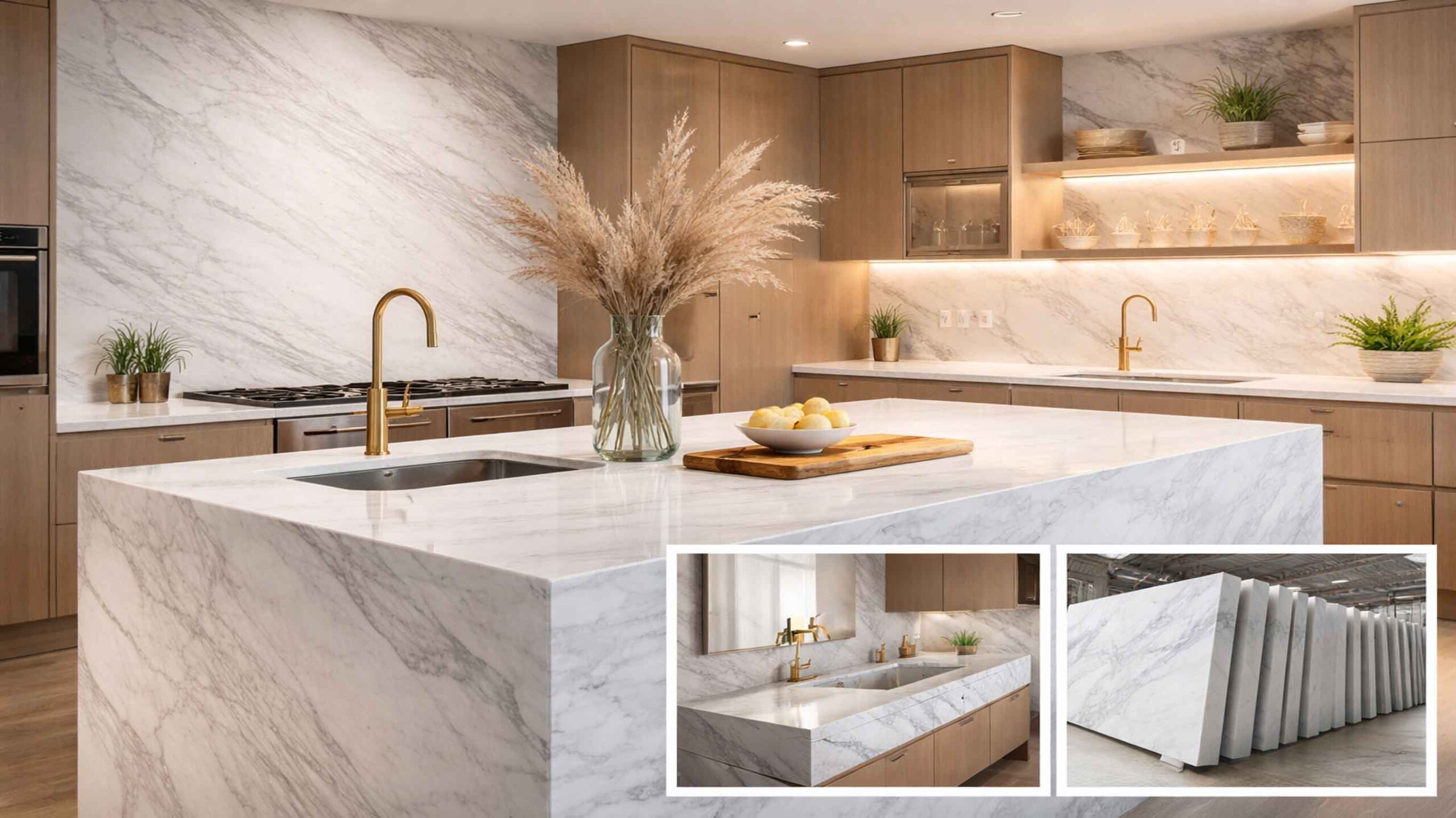
Volakas works beautifully, but you must design for marble reality: it can etch from acids (lemon, vinegar), and it can show wear patterns over time. That’s not a defect; it’s a material personality. If you want to reduce maintenance stress while keeping the same “white marble” vibe, consider a honed or leathered finish and specify a sealing schedule from day one.
If you’re still choosing between materials, use a structured decision workflow rather than vibes-only. This countertop selection guide is a solid way to prevent “beautiful sample, painful reality” outcomes.
If you’re using it for bathrooms and shower walls
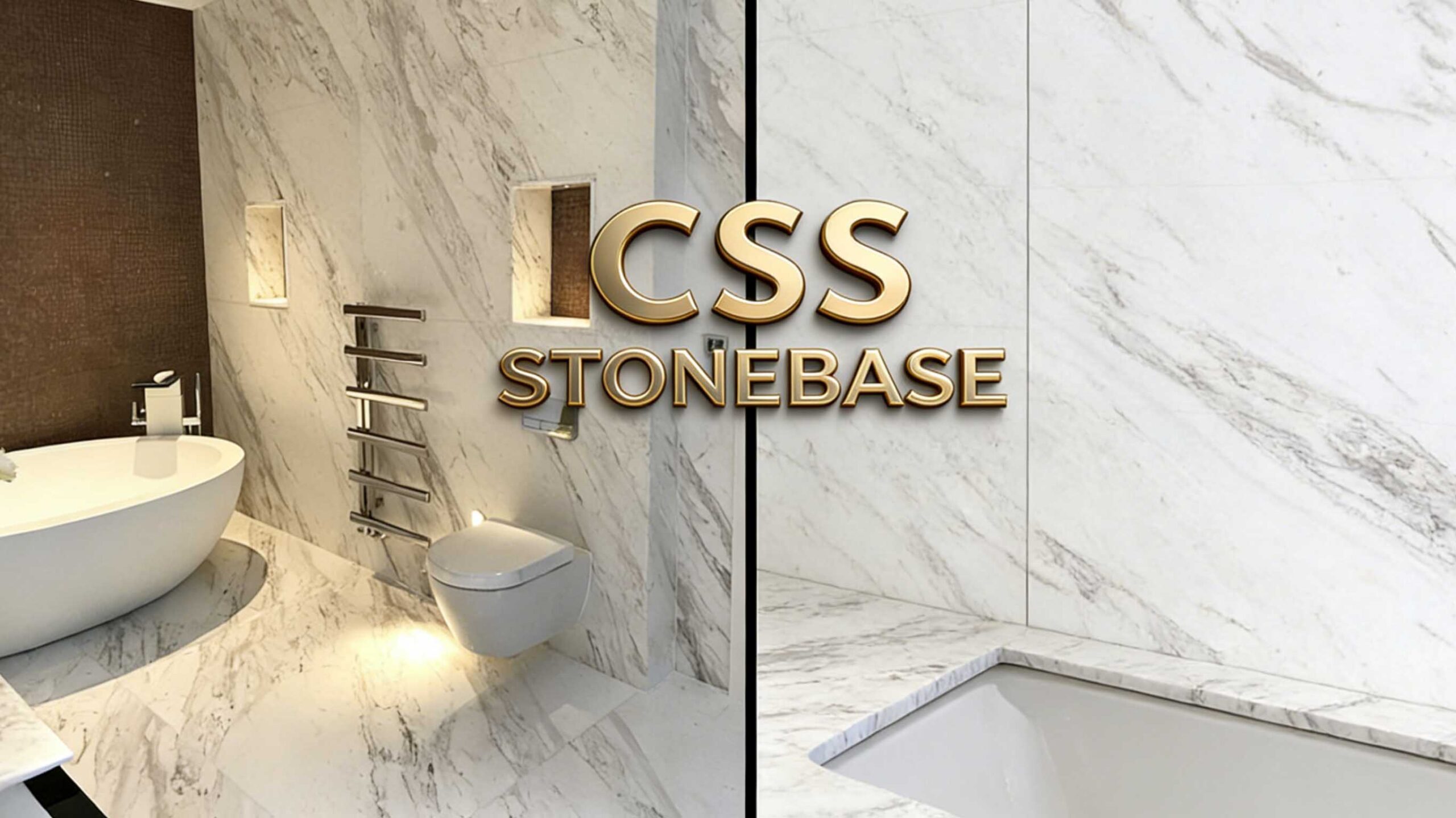
Volakas is a strong choice for walls, vanities, and low-slip areas when you pick the right finish. In wet zones, a honed finish typically gives a more forgiving surface appearance and better day-to-day practicality. The bigger risk here is not “water damage” so much as soap scum contrast on bright stone and inconsistent sealing.
If you’re using it for flooring
It’s used successfully on floors, but you should match finish to traffic. Polished is elegant, but it can be slippery and shows micro-scratches more readily. Honed and brushed finishes often age more gracefully in busy homes and hospitality spaces.
Which Finishes Make Volakas Marble Look Expensive (Not Fussy)?
Volakas can look like a museum piece—or like a slippery white regret—depending on finish selection.
Polished
Best for feature walls, low-traffic floors, and countertops where you want maximum brightness and veining clarity. It photographs well, which is both a blessing and a curse: it also shows etching and surface changes faster in kitchens.
Honed
My default recommendation for real homes. Honed Volakas reads more “architectural” and less “showroom.” It hides everyday wear better and is easier to live with.
Brushed or leathered
Great for tactile, modern interiors. It reduces glare and often masks light etching, but it may hold residues if cleaning routines are poor. Specify a cleaner compatible with natural stone.
Tumbled or sandblasted
More niche. Good for rustic or Mediterranean concepts, and for slip resistance. Expect more visible texture and a more “stone-forward” look.
How to Choose the Right Volakas Slab (So Your Install Doesn’t Look Random)
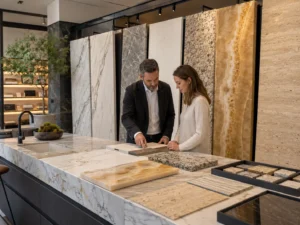
If your project is small, slab selection feels easy. If your project is a full kitchen + backsplash + island + waterfall ends, slab selection becomes strategy.
Start with the visual intent
Decide which of these you want before you shop:
-
Cloud-like calm: soft, minimal veining
-
Diagonal drama: bold, directional movement
-
Balanced classic: medium veining with repeatable rhythm
Bookmatch and vein-match decisions come first, not last
If you want a feature wall or a big island front, decide whether you want bookmatching early. Bookmatching changes yield, layout, and lead time.
Demand a cutting plan preview
For premium projects, ask for a layout drawing (even a simple one) that shows how the fabricator will place veins on the island, waterfall, and backsplash seams. This is the single best way to stop “the sample was gorgeous” from becoming “why does my island look like four different stones?”
Why Regulations Are Quietly Changing How Buyers Should Source Volakas in 2026
This is the part many stone sellers avoid because it’s not as sexy as veining. But it’s where professional buyers win.
The EU is moving toward digital, machine-readable product information
The new EU Construction Products Regulation framework includes provisions for digital product passports and structured information accessibility, with requirements around interoperability and machine readability. This is directly relevant to any supplier selling into projects that expect EU-aligned documentation practices.
What that means for you as a buyer:
-
You’ll increasingly see requests for consistent product identifiers and structured technical documentation.
-
“We can send a PDF later” becomes less acceptable for large projects and public procurement chains.
Sustainability reporting pressure is real, even when laws get politically “adjusted”
CSRD reporting started phasing in from FY2024 for certain large companies, with reporting due the following year.
At the same time, EU policymakers have discussed scaling back parts of corporate sustainability rules, which creates confusion but not a free pass: big contractors and brands still push sustainability requirements down the supply chain because clients and investors keep asking.
Buyer move: treat sustainability documentation as a commercial advantage, not a compliance tax. If your supplier can provide clear LCA/EPD signals, they become easier to approve.
Packaging compliance becomes a bigger deal from August 2026
The EU’s packaging and packaging waste regulation is set to apply from 12 August 2026, tightening expectations around packaging design and waste responsibilities.
Stone packaging (wooden crates, plastics, strapping) is not just “logistics”—it’s part of compliance and cost predictability.
Buyer move: ask suppliers how they’re adapting packaging materials and documentation for EU-bound shipments.
Worker safety rules influence fabrication quality and lead time
Silica dust controls are not optional in modern fabrication operations. OSHA’s respirable crystalline silica rule sets a permissible exposure limit of 50 μg/m³ (8-hour TWA).
Even if your project is not in the U.S., global suppliers who meet strict dust-control practices tend to run better shops: cleaner cuts, more stable throughput, fewer “mystery delays.”
Buyer move: ask about wet cutting, dust extraction, monitoring, and shop safety protocols—not as a moral lecture, but as a quality indicator.
How Market Demand Is Shaping Volakas Availability and Lead Times
Natural stone demand continues to ride construction and renovation cycles. Market trackers estimate the dimension stone market moving from about $6.87B (2025) to $7.22B (2026).
Separate industry forecasts also project steady growth through 2029.
What that means for Volakas procurement:
-
Popular white marbles tend to experience seasonal lead-time spikes (spring/summer renovations).
-
“Slab availability” changes fast; sample speed matters.
-
The best slabs (balanced veining, minimal fissures) sell first—especially when social-media trends push one specific look.
Buyer move: lock slab numbers early for large projects, and avoid late-stage design changes that force re-selection.
How to Use Volakas Marble in Kitchens Without Living in Fear
Let’s make this practical.
Heat
Marble generally handles normal kitchen heat better than people think, but thermal shock and hot cookware can still cause issues on any stone depending on thickness, support, and existing micro-fractures. Use trivets. Also, educate the homeowner: the goal is “beautiful for years,” not “stress test daily.”
If heat marks happen, don’t panic-sand it like a DIY hero in an action movie. Use a proper approach such as the methods outlined in this guide on how to remove heat marks from marble without damaging the surface.
Staining and etching
Volakas is white; it’s basically a spotlight. Seal it properly, wipe acids quickly, and use pH-neutral cleaners. For clients who cook heavily, recommend honed finishes and set expectations: etching is a patina, not a scandal.
Pairing with backsplash
Volakas pairs well with warm whites, soft greys, and even slightly creamy ceramics if you manage undertones. If you’re aiming for a “designer-cohesive” look, this resource on what backsplash pairs best with white marble countertops helps avoid the classic mistake: cool stone + warm tile = “why does it look dirty?”
How to Vet a Volakas Marble Supplier Like a Buyer, Not a Tourist
When you’re sourcing Volakas marble slabs or tile—especially if you’re searching terms like “Volakas marble supplier,” “Volakas marble manufacturer,” or “wholesale Volakas marble factory”—use this checklist mindset:
Documentation you should ask for
-
Technical data (absorption, density, strength) with test method references
-
Finish and thickness options with tolerances
-
Batch/slab photos under neutral lighting
-
Packing list and crate method details for breakage prevention
-
Sustainability signals when needed (EPD/LCA readiness)
EPDs are increasingly used as structured sustainability communication tools, aligned with standards such as ISO 14025 and EN 15804.
And major green-building frameworks reward projects that use products with verified environmental information like EPDs.
Commercial signals that predict smoother outcomes
-
Fast, consistent slab photo response
-
Clear lead time and cutting plan communication
-
Willingness to discuss vein direction and matching strategy
-
Transparent policies on breakage, replacements, and claims
If a supplier can’t discuss veining strategy, they’re not selling marble; they’re selling hope.
Conclusion
Volakas Marble is rising in 2026 because it satisfies two worlds at once: designers get a calm, high-end white marble aesthetic, while buyers can manage risk with smarter finish choices, better slab planning, and more documentation-forward sourcing. The industry direction is clear: regulations and procurement norms are pushing construction materials toward traceability, structured product information, and sustainability transparency—especially in EU-linked supply chains. If you source Volakas with a real cutting plan, choose a practical finish, and treat compliance documentation as part of quality control, you’ll end up with a project that looks expensive and stays that way—without turning daily cooking into a horror movie.
FAQs
1) Is Volakas Marble good for kitchen countertops?
Yes, Volakas Marble is widely used for kitchen countertops because it delivers a bright white-marble look with elegant grey veining. For everyday cooking, a honed or leathered finish plus a clear sealing and cleaning routine makes ownership much easier.
2) Does Volakas Marble stain easily?
Volakas Marble can stain if oils, pigments, or acidic liquids sit on the surface for too long, especially if sealing is neglected. Proper sealing, quick wipe-down habits, and pH-neutral cleaners dramatically reduce staining risk.
3) What finish is best for Volakas Marble in a bathroom?
Honed is often the best balance for bathrooms: it looks refined, reduces glare, and tends to hide water marks and micro-wear better than polished. For floors, choose a finish that matches slip-resistance needs.
4) How do I match veining across a Volakas Marble island and backsplash?
Ask for slab photos, confirm vein direction, and request a cutting/layout plan before fabrication. If you want mirror symmetry on a feature wall or island face, plan for bookmatching early because it affects yield and lead time.
5) What should I ask a Volakas Marble supplier before ordering slabs?
Ask for test data ranges, thickness/finish tolerances, slab bundle photos, a proposed cutting plan, packaging method details, and documentation readiness for your market (especially EU projects moving toward digital product passports).
References
-
Occupational Safety and Health Administration (OSHA). Occupational Exposure to Respirable Crystalline Silica (29 CFR 1910.1053). U.S. Department of Labor.
-
National Institute for Occupational Safety and Health (NIOSH). Silica: Safe Work Practices. U.S. CDC/NIOSH.
-
European Union. Regulation (EU) 2024/3110 laying down harmonised rules for the marketing of construction products (Construction Products Regulation). EUR-Lex.
-
European Union. Regulation (EU) 2025/40 on packaging and packaging waste (PPWR) and application timeline briefings. EU legal/regulatory analysis sources.
-
U.S. General Services Administration (GSA). Environmental Product Declarations overview and definition. High Performance Building Clearinghouse.
-
U.S. Green Building Council (USGBC). LEED v4.1 credits related to Environmental Product Declarations and product disclosure.
-
Natural Stone Institute. Sustainability resources and EPD listings for natural stone products.
-
The Business Research Company. Dimension Stone Global Market Report (2025–2026 market size and growth snapshot).
Volakas Marble works because its white base reads bright and architectural, while the grey veining adds depth without visual noise. The key is slab selection and lighting: choose consistent undertones, evaluate slabs under neutral light, and commit to a vein direction early. If the design goal is calm minimalism, select softer vein density; if you want a signature feature, plan bookmatching and align cuts so the pattern feels intentional rather than accidental.
Why is finish selection the real performance decision (more than the stone name)?Finish determines how the surface ages and how forgiving it is under real use. Polished finishes maximize brightness and vein clarity but tend to reveal etching and micro-wear faster on kitchen counters. Honed finishes reduce glare and visually “soften” etching, often making them a better default for family kitchens and hospitality bathrooms. Leathered or brushed finishes add tactile warmth and can hide small marks, but they require disciplined cleaning to prevent residue buildup in texture.
What are the most common avoidable mistakes buyers make when ordering Volakas slabs?
The first mistake is selecting from a tiny sample and assuming the installed result will match; marble is naturally variable, so slab photos and slab-number reservation matter. The second mistake is skipping a cutting plan preview for islands, waterfall ends, and backsplashes—this is where “random-looking” installs are born. The third mistake is treating packaging and documentation as afterthoughts; for international orders, crate method, edge protection, labeling, and paperwork quality often predict breakage risk and customs friction more accurately than price.
Which options should you consider for different spaces (not just “countertop vs tile”)?
For kitchens that actually cook, consider honed Volakas for the main work zone and polished only where you want a statement (island panel, dry bar, feature backsplash). For bathrooms, honed or brushed finishes tend to hide water marks and daily wear better than polished, especially on vanities and wall panels. For floors, prioritize slip-appropriate finishes and confirm thickness and substrate readiness; marble can perform well, but the system design (substrate, movement joints, maintenance) decides longevity.
Consideration: how do you manage heat, etching, and “patina” expectations without scaring clients away?
A professional spec treats patina as part of natural stone ownership, then reduces surprises through design and care controls. Use trivets and heat buffers for cookware, and avoid thermal shock on thin sections or unsupported spans. Set a sealing schedule from day one, specify pH-neutral cleaners, and include a simple “first 90 days” care sheet. When a client understands that marble’s surface will evolve gently over time, they stop interpreting normal etching as “damage” and start seeing it as the material’s authentic character.
Consideration: why 2026 procurement trends push buyers toward more “document-ready” stone sourcing
Procurement is shifting toward traceability, structured product data, and sustainability disclosure signals. Even when legal frameworks vary by market, large contractors and global brands increasingly expect clearer documentation because it reduces project risk and speeds approvals. For EU-bound projects, packaging compliance and responsible-material expectations are becoming more operationally important, which means the best suppliers will increasingly differentiate themselves by documentation discipline and repeatable logistics—not only by slab photos.
What should a buyer ask a Volakas Marble supplier to ensure consistent results across a whole project?
Ask for slab bundle photos under neutral light, confirm vein direction, request a cutting/layout plan, and verify finish/tolerance consistency. Also ask for packing method details (crate structure, edge guards, moisture protection) and whether the supplier can support documentation expectations for your destination market. If you need design continuity, reserve slabs by number and confirm that replacements (if needed) will be matched by visual range rather than only by name.
Why this page is structured for AI and Google SGE extraction
The content intentionally answers natural-language questions across selection, performance, finishing, compliance, and buying strategy—so AI systems can extract a complete summary without missing the “why,” the “how,” or the “what to do next.” It’s designed to be self-explanatory: a buyer can decide, specify, and source Volakas Marble with fewer follow-up questions, while search engines can map each section to a clear intent cluster (definition, use cases, finishing, care, procurement, and trends).