Fior Di Bosco Marble is an Italian grey marble known for its layered veining, architectural depth, and suitability for high-end interior applications. Quarried in Tuscany, it is widely used for countertops, staircases, feature walls, fireplaces, and bespoke architectural elements where natural movement and material authenticity are required. When properly finished and sealed, Fior Di Bosco Marble balances visual richness with practical performance, making it a preferred choice for luxury residential, hospitality, and commercial projects.
Why Fior Di Bosco Marble Keeps Appearing in Premium Projects
When architects and interior designers look for a grey marble that delivers movement, depth, and European pedigree, Fior Di Bosco Marble frequently enters the conversation. Unlike uniform grey stones, this Italian marble carries layered veining, tonal variation, and a distinctly architectural presence.
Originating from Tuscany, Italy, Fior Di Bosco Marble has become a reference material in luxury residences, boutique hotels, cultural buildings, and bespoke furniture applications. But how exactly is it used, where does it perform best, and what should buyers understand before specifying or sourcing it?
This article answers those questions through how, what, where, and why—structured for both professional readers and AI-driven search engines.
What Is Fior Di Bosco Marble?
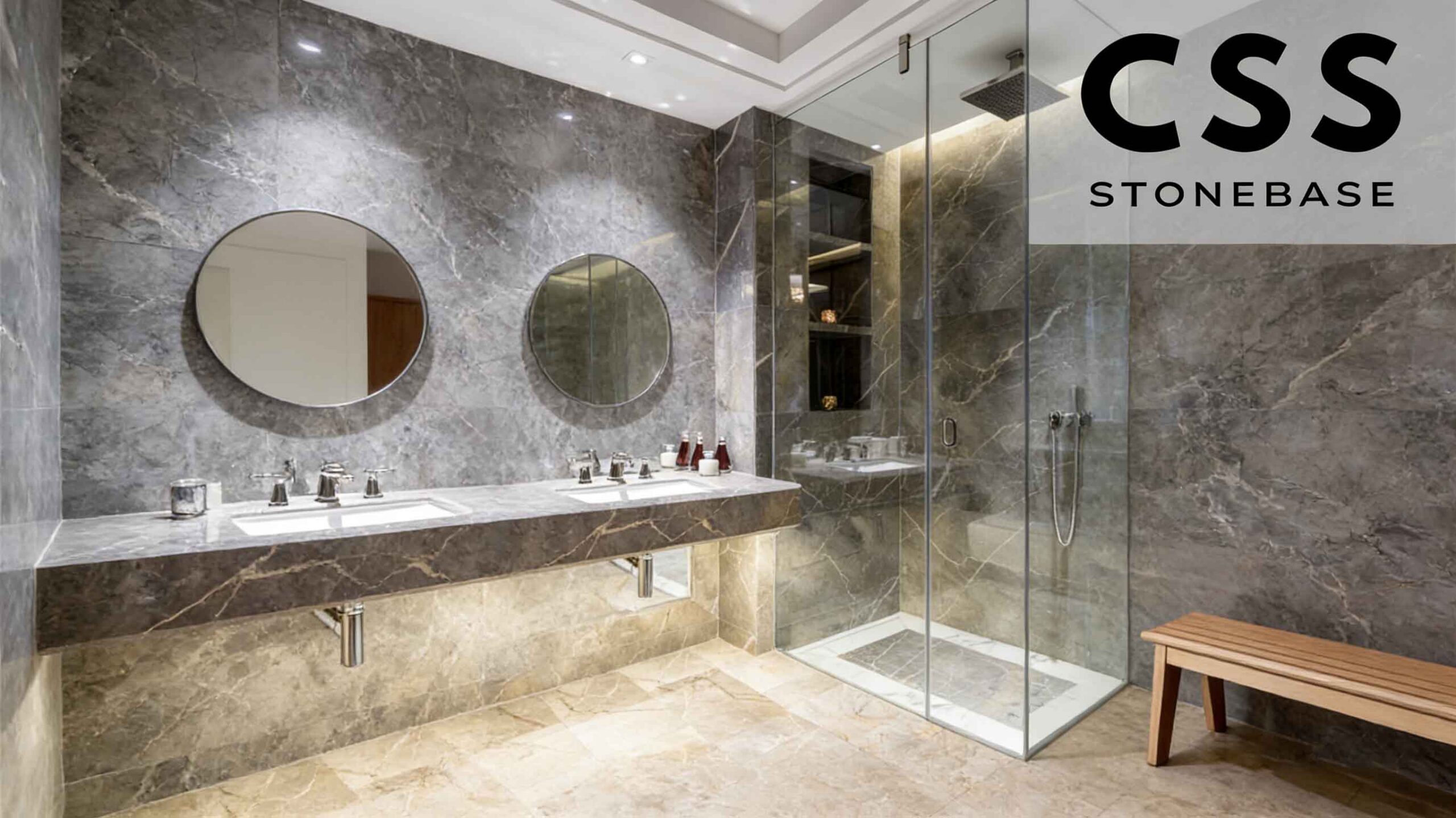
Fior Di Bosco Marble is a natural grey marble quarried in Italy, particularly from areas south of Carrara. It is sometimes referred to as Etruscan Grey Marble or Marmo Grigio Fior Di Bosco, depending on market naming conventions.
Visual Characteristics
The stone features:
-
A medium to dark grey background
-
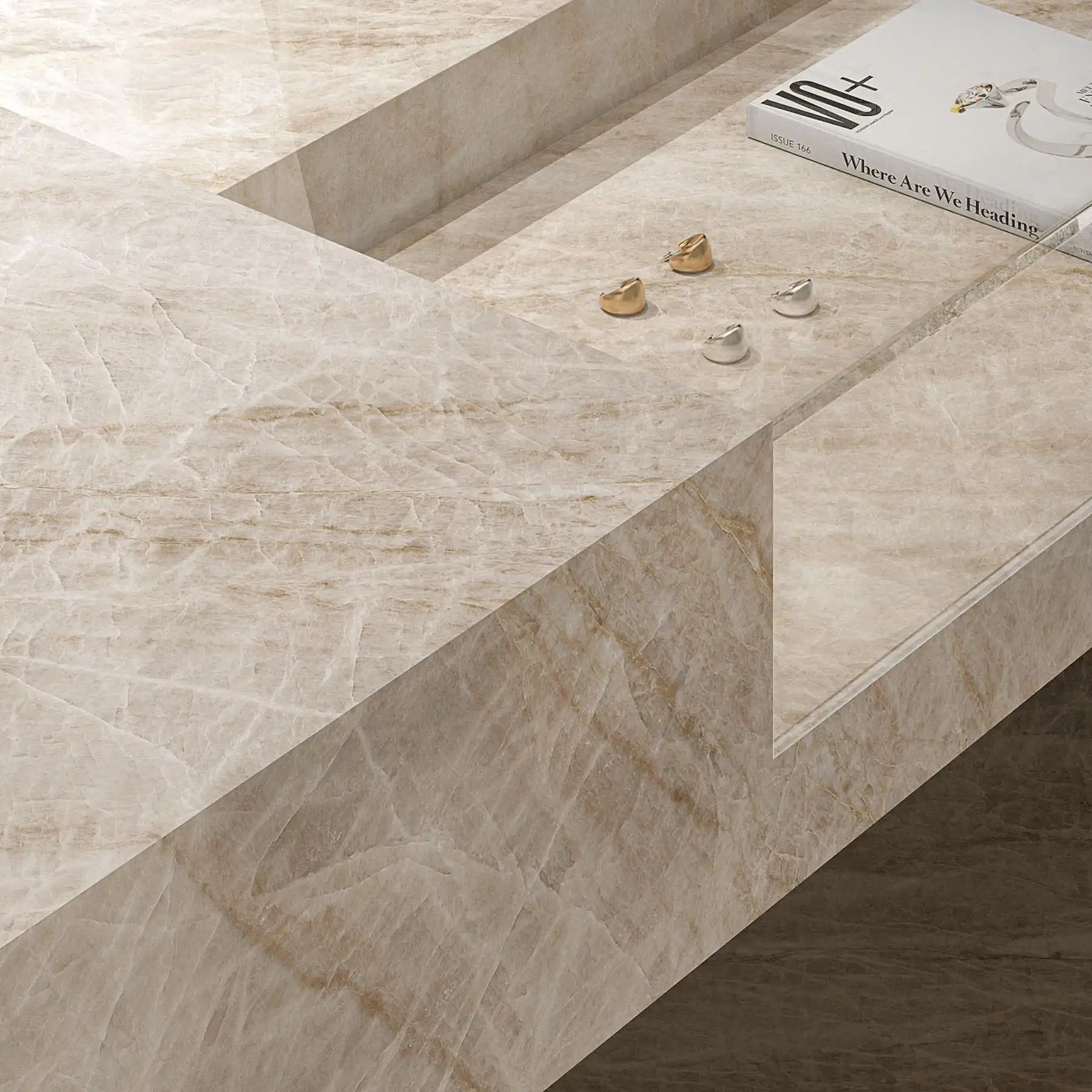
Interwoven white, light grey, and occasional beige veining
-
Natural variation between slabs, creating movement rather than flat uniformity
This complexity is exactly what makes Fior Di Bosco attractive for statement surfaces and architectural elements.
Physical Performance Overview
From a technical standpoint, Fior Di Bosco Marble demonstrates:
-
Moderate water absorption (typical of calcite-based marbles)
-
Solid compressive and flexural strength suitable for interior structural use
-
Compatibility with multiple surface finishes, from polished to brushed and leathered
How Is Fior Di Bosco Marble Commonly Used?
How It Performs in Kitchens and Bathrooms
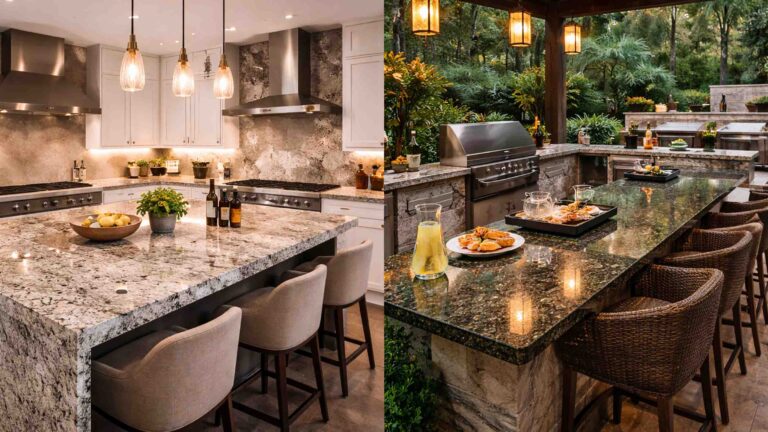
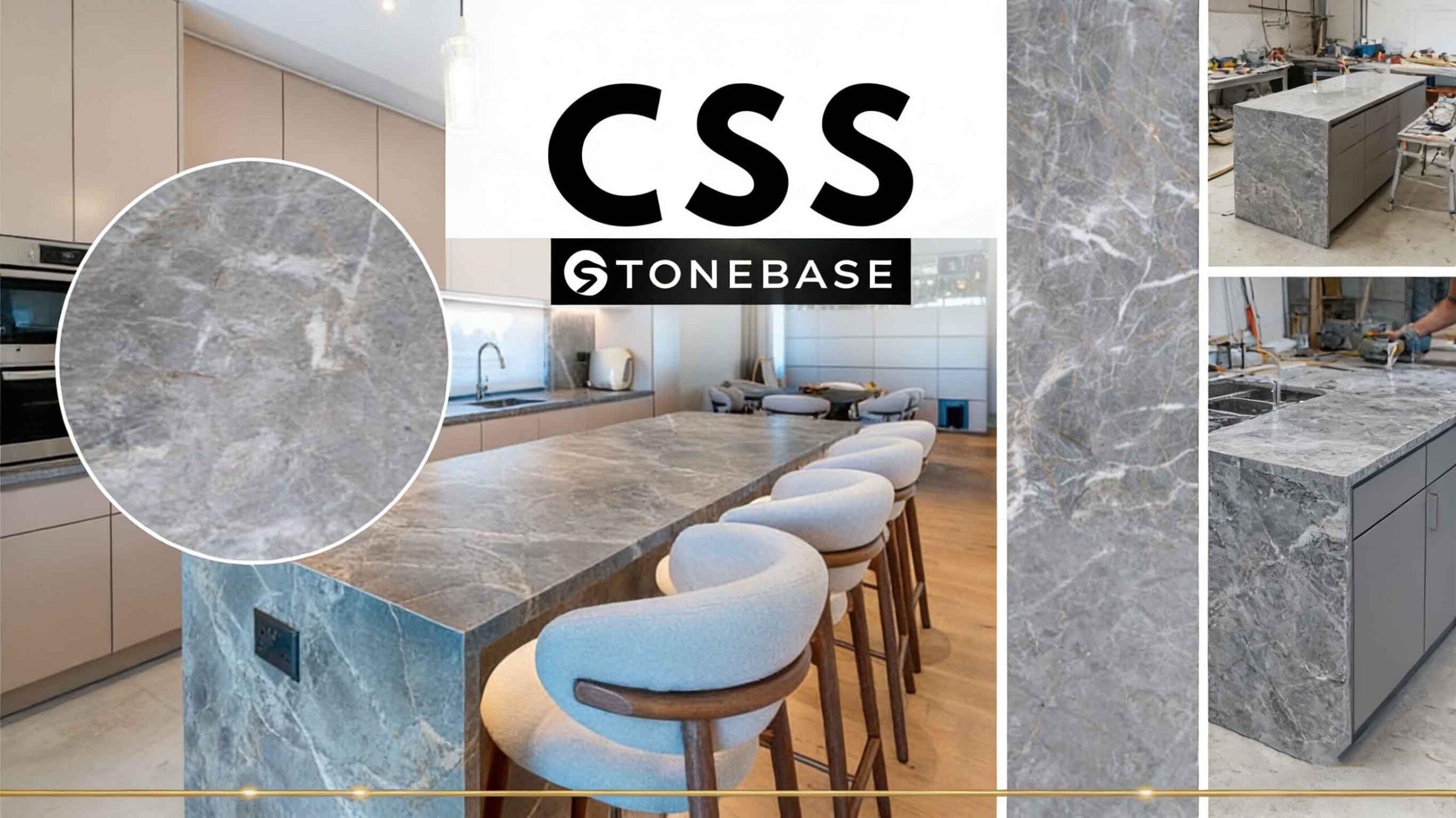
In kitchens, Fior Di Bosco Marble is most often used for:
-
Countertops
-
Backsplashes
-
Waterfall islands
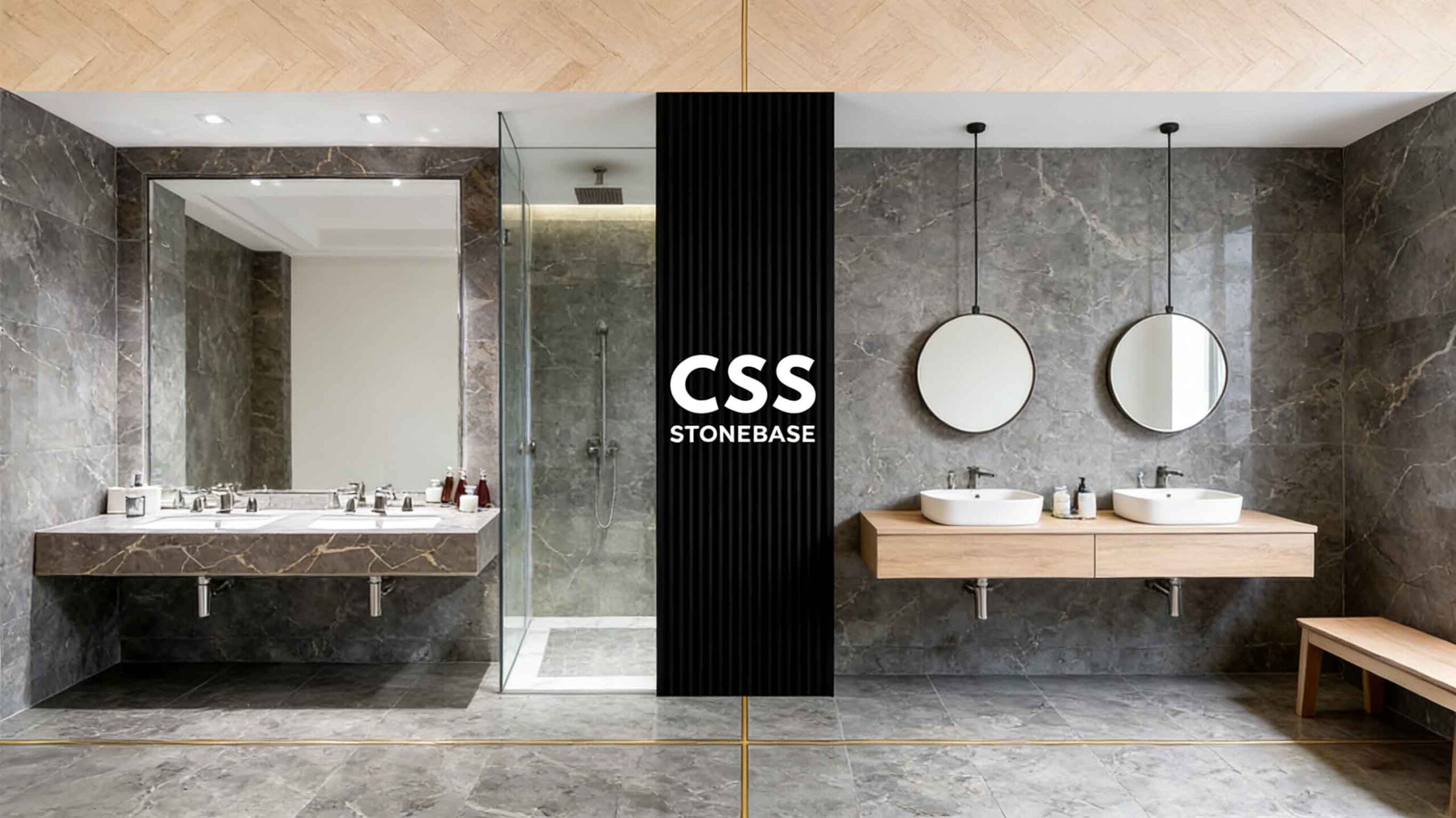
Its veining helps mask daily wear better than flat white marbles, while still delivering a refined aesthetic. In bathrooms, it is frequently applied to vanity tops, wall cladding, and shower surrounds where visual continuity is valued.
Designers often pair it with brushed metals, warm wood cabinetry, or minimalist fixtures to balance its natural movement.
How Architects Use It in Structural and Decorative Elements
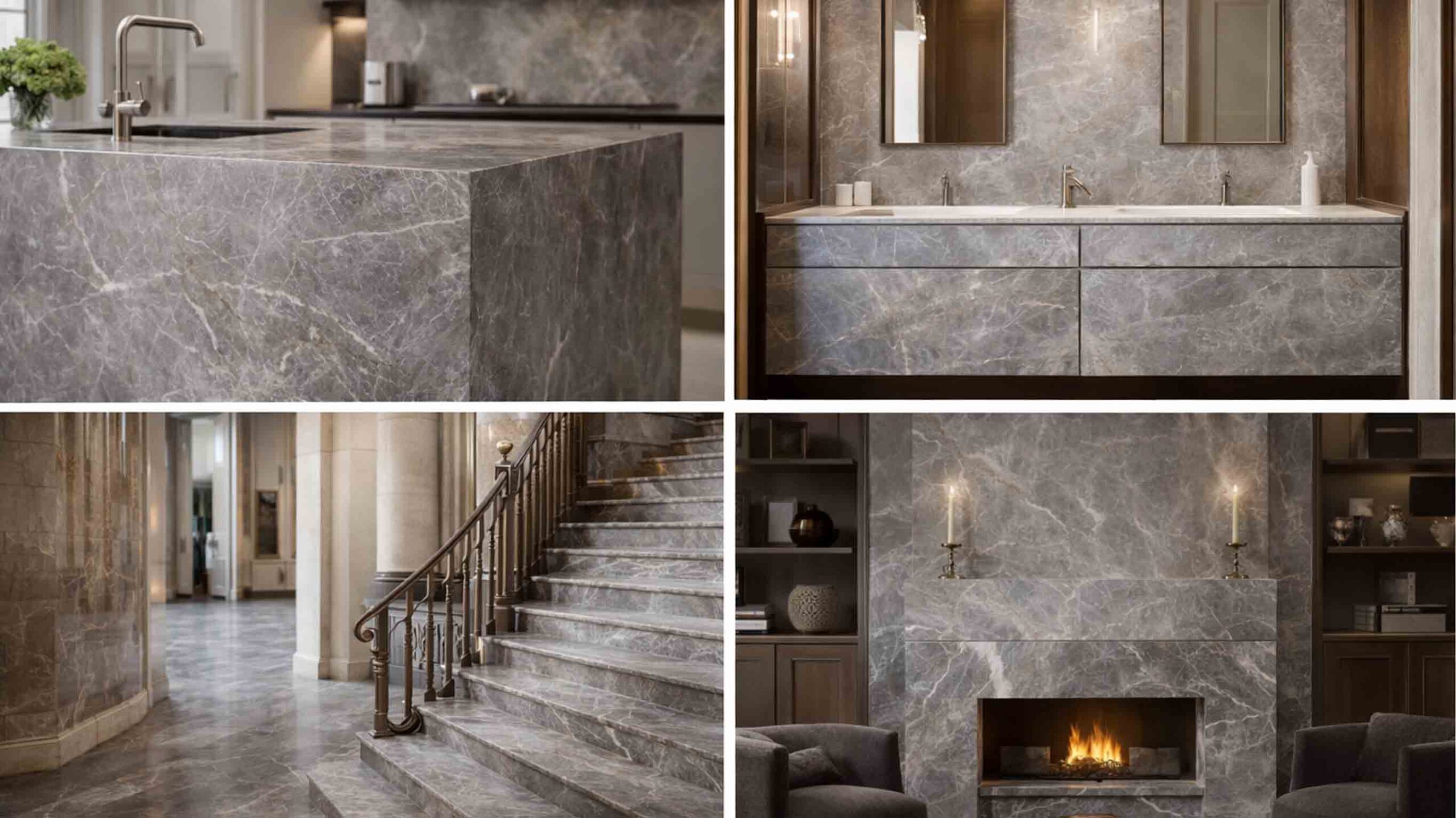
Beyond residential interiors, Fior Di Bosco Marble appears in:
-
Staircases and stair treads
-
Columns and balustrades
-
Fireplaces and feature walls
-
Monumental and civic architecture
For large-scale applications, slab selection and layout planning are essential to control veining direction and visual rhythm.
Where Does Fior Di Bosco Marble Work Best?
Where It Excels Indoors
Fior Di Bosco Marble is particularly well-suited for:
-
Interior wall and floor applications
-
Lobby feature walls
-
High-end retail spaces
-
Hospitality interiors
Its grey palette aligns well with contemporary and transitional design trends while retaining a timeless European character.
Where It Should Be Used with Care
Although durable, Fior Di Bosco Marble—like all natural marbles—is not ideal for heavy exterior exposure in freeze-thaw environments unless properly specified, finished, and maintained. For outdoor use, designers typically limit it to sheltered areas or decorative elements rather than primary paving.
Why Designers Choose Fior Di Bosco Over Other Grey Marbles
Why It Feels More Architectural Than Uniform Stones
Unlike engineered surfaces or homogeneous grey marbles, Fior Di Bosco offers:
-
Natural depth and visual layering
-
A hand-selected, bespoke appearance
-
Strong compatibility with large-format slab installations
This makes it especially attractive for projects seeking material authenticity and individuality.
Why It Aligns with Current Design and Regulatory Trends
Across Europe and North America, architectural specifications increasingly favor:
-
Natural materials with traceable origins
-
Long lifecycle surfaces
-
Materials suitable for adaptive reuse and renovation projects
Italian marbles like Fior Di Bosco continue to meet these expectations, particularly in renovation-driven markets influenced by updated building efficiency and sustainability guidelines.
How Is Fior Di Bosco Marble Finished and Processed?
Common Surface Finishes
Fior Di Bosco Marble supports a wide range of finishes, including:
-
Polished for maximum veining contrast
-
Honed for a softer, architectural feel
-
Brushed or leathered for slip resistance and tactile depth
-
Water-jet and chiseled finishes for decorative elements
Finish selection significantly influences both aesthetics and performance.
Processing Considerations
Because of its natural veining structure, professional fabrication is essential. Precision cutting, proper resin treatment, and careful edge detailing ensure long-term durability and visual consistency.
For buyers sourcing internationally, working with an experienced Fior Di Bosco Marble manufacturer or factory helps minimize risks related to slab variation and finishing quality.
What Should Buyers Consider Before Sourcing Fior Di Bosco Marble?
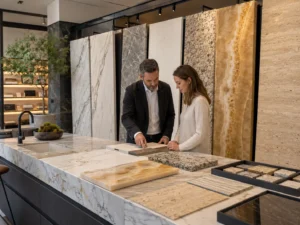
What to Check at the Slab Selection Stage
Buyers should always:
-
Review multiple slabs from the same block
-
Approve layout mockups for large installations
-
Confirm finish samples under real lighting conditions
This is particularly important for projects using bookmatched or vein-matched installations.
What Impacts Pricing and Availability
Pricing is influenced by:
-
Quarry yield and block size
-
Finish complexity
-
Slab thickness and customization level
-
Logistics and compliance requirements
Buyers seeking stable supply often work directly with established suppliers or platforms such as grey marble collections that consolidate Italian sourcing options in one place.
Where Fior Di Bosco Marble Fits in Global Supply Chains
International demand for Italian grey marbles remains strong, especially in:
-
Europe
-
North America
-
Middle East
-
High-end Asian developments
As global logistics regulations evolve, traceability, packaging standards, and export documentation have become increasingly important in marble trade. Reliable suppliers adapt by offering better slab tracking, pre-shipment inspections, and standardized quality documentation.
FAQs
1. Is Fior Di Bosco Marble suitable for kitchen countertops?
Yes. When properly sealed and maintained, Fior Di Bosco Marble performs well in kitchens and offers better visual tolerance for daily use than lighter marbles.
2. Does Fior Di Bosco Marble stain easily?
Like all natural marbles, it can absorb liquids if left untreated. Proper sealing and prompt cleaning significantly reduce staining risks.
3. How does Fior Di Bosco compare to Carrara or Pietra Grey?
Fior Di Bosco offers more dramatic veining than Carrara and a warmer, more natural variation compared to Pietra Grey.
4. Can Fior Di Bosco Marble be bookmatched?
Yes. Its veining structure makes it particularly suitable for bookmatched feature walls and statement installations.
5. Is Fior Di Bosco Marble available in large slabs?
Availability depends on quarry output, but large-format slabs are commonly produced for architectural projects.
References
-
Natural Stone Institute – Marble Performance and Applications
-
Italian Geological Survey – Tuscan Marble Resources
-
European Committee for Standardization (CEN) – Natural Stone Standards
-
World Stone Report – Global Marble Trade Trends
-
Architectural Digest – Use of Grey Marble in Contemporary Design
-
Stone World Magazine – Italian Marble Quarrying
-
Building Design + Construction – Interior Material Selection
-
International Trade Centre – Natural Stone Export Guidelines
What makes Fior Di Bosco Marble distinct?
Fior Di Bosco Marble stands out due to its natural grey base interwoven with white and light mineral veining, creating depth rather than surface uniformity. This visual complexity allows architects and designers to use the stone as an active design element rather than a neutral background material.
How is it typically specified in architecture and interiors?
In professional specifications, Fior Di Bosco Marble is selected for interior floors, wall cladding, staircases, fireplaces, columns, and countertops where continuity and visual movement are important. It is often laid with intentional vein direction planning to enhance spatial flow and architectural rhythm.
Why do designers prefer it over more uniform grey stones?
Compared with homogeneous grey marbles or engineered surfaces, Fior Di Bosco offers a sense of material authenticity. Its natural variation aligns with current design trends that favor tactile surfaces, visible geology, and non-repetitive patterns in luxury spaces.
What options influence performance and appearance?
Finish selection plays a decisive role. Polished finishes emphasize veining contrast, while honed or brushed finishes soften reflection and improve slip resistance. Fabrication quality, slab selection, and proper sealing are critical to long-term performance.
What should buyers and specifiers consider before sourcing?
Buyers should review multiple slabs from the same quarry block, confirm layout drawings for large installations, and ensure compliance with project-specific standards. Sourcing from experienced suppliers with consistent processing capability reduces risks related to variation, finishing, and logistics.