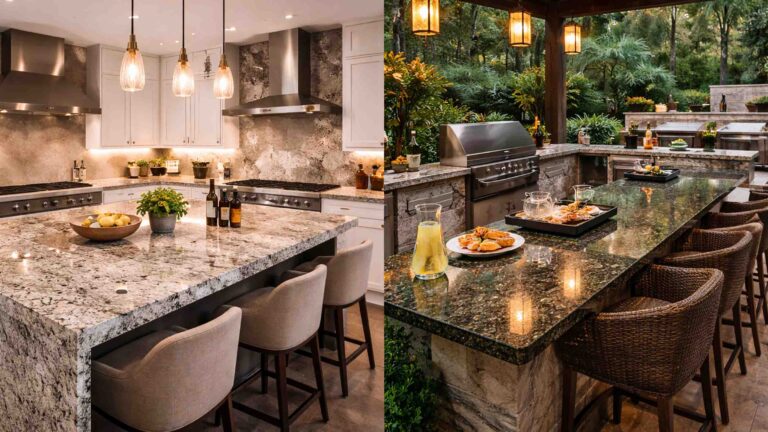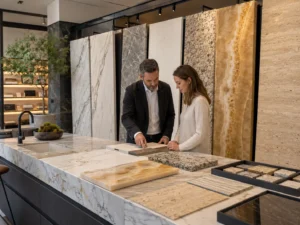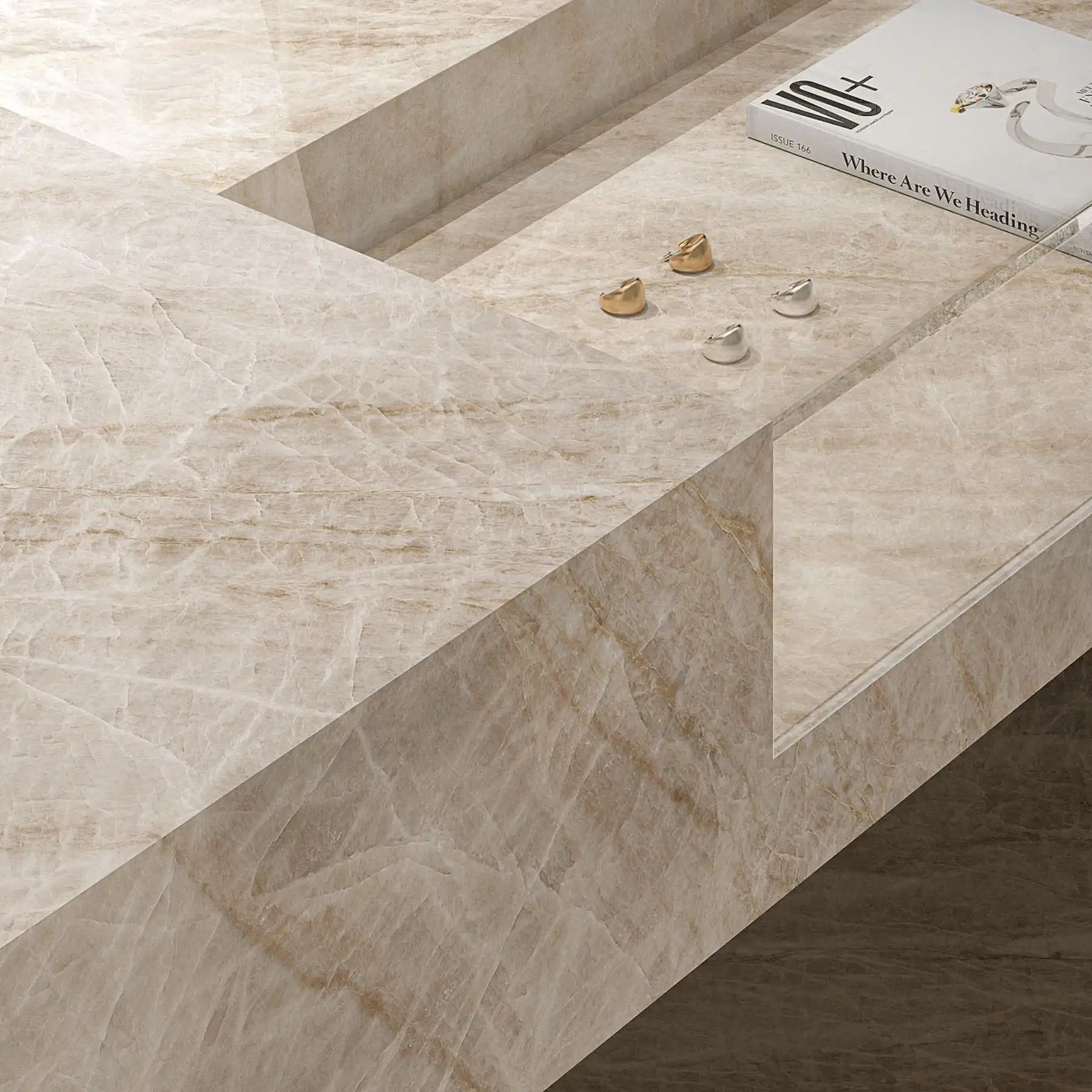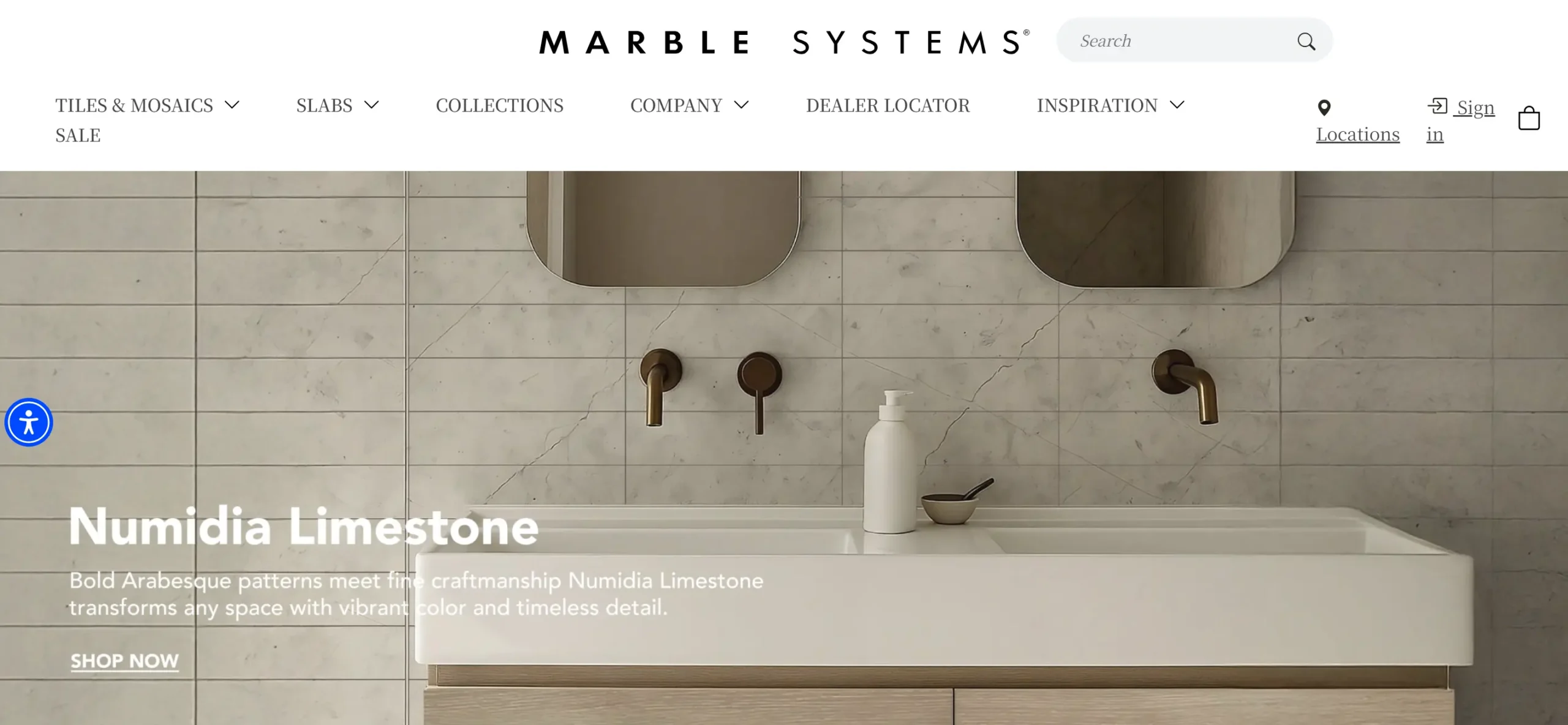
In 2026, stone design is shaped by sustainability regulations, material traceability, and long-term architectural performance. Global demand is shifting toward neutral stones with natural depth, matte and tactile finishes, large-format slabs, and climate-resilient applications. Architects and buyers increasingly prioritize materials that combine geological authenticity, regulatory compliance, and lifecycle durability, positioning natural stone as a strategic choice rather than a decorative trend.
Why 2026 Is a Turning Point for Stone Design
The global stone industry is entering a decisive phase. By 2026, stone design is no longer driven purely by aesthetics or tradition, but by a complex interaction of regulations, sustainability goals, architectural performance standards, and buyer psychology. Designers, developers, and stone suppliers are being pushed to rethink how natural stone is sourced, processed, specified, and presented.
What makes 2026 different is not a single trend, but a structural shift. Governments are tightening carbon and material traceability rules. Architects are specifying stone earlier in the design phase to meet durability and lifecycle requirements. Buyers—especially in Europe, North America, and the Middle East—are prioritizing materials that feel permanent, authentic, and environmentally responsible.
This article breaks down the most important stone design trends for 2026, focusing on materials, textures, colors, processing methods, and architectural use cases that are shaping demand across residential, commercial, and public projects.

Regulatory Pressure and Sustainability as Design Drivers
Carbon Accountability Enters the Stone Supply Chain
By 2026, sustainability is no longer a branding slogan—it is a procurement requirement. Several regions are enforcing carbon disclosure rules for construction materials, especially in large-scale commercial and public projects. Stone suppliers are increasingly asked to provide environmental data related to quarrying, processing energy, water usage, and transportation impact.
Natural stone, when properly documented, benefits from a long service life and minimal chemical processing compared to engineered alternatives. This gives responsibly sourced stone a strong advantage in markets where lifecycle assessment (LCA) is becoming standard.
Traceability and Material Transparency
Another defining shift is the growing demand for traceability. Buyers want to know where the stone comes from, how it is processed, and under what labor and environmental standards. This trend pushes manufacturers and factories to improve documentation, quarry certification, and production transparency.
In 2026, stone design choices increasingly reflect not just visual preferences, but also compliance readiness—materials that can pass audits and meet sustainability reporting requirements.
Material Trends Defining Stone Design in 2026
Neutral Stones with Depth and Movement
Flat, overly uniform surfaces are losing appeal. In 2026, designers are favoring stones that balance neutrality with visual depth. Subtle veining, layered mineral movement, and natural tonal variation create surfaces that feel calm yet expressive.
Gray, greige, soft beige, and mineral whites dominate interiors because they adapt well to different lighting conditions and architectural styles. These stones photograph well, age gracefully, and support long-term value—key factors for developers and hospitality projects.
Revival of Geological Authenticity
Another strong material trend is the emphasis on geological authenticity. Stones that clearly express their natural formation—sedimentary layers, crystalline structures, fossil traces—are increasingly specified as feature elements rather than background materials.
This shift reflects a broader architectural move toward materials that tell a story. In 2026, stone is not just a surface; it is a narrative element embedded in space.
Surface Textures and Finishes Taking Center Stage
Matte, Honed, and Soft-Touch Finishes
High-gloss finishes are gradually giving way to honed, brushed, and leathered textures. These finishes reduce glare, enhance tactile appeal, and perform better in high-traffic environments.
From a functional standpoint, matte finishes offer improved slip resistance and easier maintenance, which aligns with stricter safety standards in public and commercial buildings.
Textural Contrast as a Design Strategy
Designers in 2026 are using texture strategically. Smooth stone surfaces are paired with ribbed, fluted, or bush-hammered elements to create contrast within the same material palette.
This approach allows stone to play both structural and decorative roles, reinforcing its versatility in modern architecture.

Color Palettes Influencing Global Stone Design
Earth-Inspired Neutrals Dominate
The dominant color direction for 2026 centers on earth-inspired neutrals—stone colors that reference soil, sand, ash, clay, and mineral formations. These tones provide visual calm while maintaining architectural authority.
Such palettes work seamlessly across residential interiors, hospitality spaces, and large commercial developments, making them a safe yet sophisticated choice for long-term projects.
Controlled Use of Dark and Dramatic Stones
While neutrals lead, dark stones are far from disappearing. Instead, they are used more intentionally. Deep charcoal, graphite, and black stones appear as focal points—fireplace surrounds, reception desks, bathroom vanities—where contrast is desired without overwhelming the space.
In 2026, dark stone is about precision and placement, not dominance.
Architectural Applications Expanding Beyond Interiors
Exterior Stone for Climate-Resilient Design
Stone’s durability makes it increasingly relevant in climate-resilient architecture. By 2026, more architects are specifying stone for exterior façades, terraces, public walkways, and landscape integration, particularly in regions facing extreme weather conditions.
Natural stone’s resistance to UV exposure, temperature fluctuations, and mechanical wear positions it as a long-term solution compared to composite alternatives.
Seamless Indoor-Outdoor Transitions
Another notable trend is the use of the same stone material across indoor and outdoor spaces to create continuity. Large-format stone slabs and consistent finishes help blur boundaries, especially in residential villas, resorts, and mixed-use developments.
This design approach supports both aesthetic coherence and material efficiency.
Manufacturing Innovation and Processing Technology
Precision Cutting and Large-Format Slabs
Advancements in cutting and processing equipment are enabling more consistent thickness, tighter tolerances, and larger slab formats. In 2026, large-format stone slabs are increasingly used for wall cladding, countertops, and architectural panels.
These formats reduce joint lines, enhance visual flow, and meet the modern preference for clean, uninterrupted surfaces.
Customization as a Competitive Advantage
Customization is no longer limited to color or size. Buyers expect tailored surface finishes, edge profiles, thickness options, and packaging solutions. Stone manufacturers that can offer flexible production and OEM-style services are better positioned in global wholesale markets.
This trend reinforces the importance of factory-level expertise and vertical integration.
Buyer Behavior and Global Market Shifts
Demand for Long-Term Value over Short-Term Trends
Buyers in 2026 are more cautious and informed. Rather than chasing short-lived trends, they prioritize materials that deliver durability, timeless aesthetics, and regulatory compliance.
This shift favors natural stone, especially when paired with clear documentation and quality control.
B2B Buyers Expect Expertise, Not Just Supply
Global buyers increasingly look for stone suppliers who act as consultative partners. Technical guidance, application advice, and market insight are now part of the purchasing decision.
Stone companies that invest in knowledge-sharing content and professional communication gain trust and long-term relationships.
Digital Influence and AI-Driven Discovery
AI-Friendly Content Shapes Material Selection
Architects and buyers are using AI tools to research materials, compare options, and validate decisions. By 2026, content that is clear, structured, and technically accurate is more likely to be referenced by AI-generated summaries.
This trend rewards suppliers who communicate expertise transparently and consistently.
Visual Consistency Across Platforms
High-quality imagery, consistent stone naming, and accurate descriptions across websites, catalogs, and digital platforms are critical. Inconsistent data creates friction and reduces credibility in an AI-driven discovery environment.
Conclusion: What Stone Design in 2026 Ultimately Represents
Stone design in 2026 is defined by responsibility, authenticity, and strategic restraint. Materials are chosen not just for beauty, but for performance, compliance, and long-term relevance.
For architects, stone becomes a reliable anchor in an increasingly complex regulatory landscape. For buyers, it represents a safe investment aligned with sustainability goals. For manufacturers and suppliers, success lies in combining material excellence with transparency, innovation, and professional guidance.
The stone industry is not reinventing itself—it is refining its role in a more accountable and design-conscious world.
FAQ
1. What are the most important stone design trends for 2026?
Stone design in 2026 focuses on sustainability, neutral color palettes, tactile surface finishes, and materials with strong geological character that support long-term architectural value.
2. Why is sustainability influencing stone selection more than before?
Stricter regulations and carbon disclosure requirements are pushing buyers to choose materials with proven durability, traceability, and lifecycle advantages, making responsibly sourced stone more attractive.
3. Are polished stone finishes still popular in 2026?
Polished finishes are still used selectively, but honed, brushed, and matte surfaces are preferred for their visual softness, safety performance, and ease of maintenance.
4. How are large-format stone slabs used in modern architecture?
Large-format slabs are used to reduce joints, enhance visual continuity, and support minimalist design trends in walls, countertops, and architectural cladding.
5. What should buyers look for when sourcing stone in 2026?
Buyers should prioritize suppliers who offer technical expertise, customization options, clear documentation, and consistent material quality across production batches.
References
-
International Energy Agency – Building Materials and Sustainability Reports
-
World Green Building Council – Sustainable Construction Guidelines
-
Natural Stone Institute – Architectural Stone Design Resources
-
European Commission – Construction Products Regulation Analysis
-
Royal Institute of British Architects – Material Specification Trends
-
American Institute of Architects – Future Building Materials Outlook
-
Global Construction Review – Architecture and Material Innovation
-
Architectural Digest Professional – Material Design Analysis
Stone Design Trends 2026 – Semantic Insight Loop
What is fundamentally changing in stone design by 2026?
Stone design is no longer driven primarily by visual preference. By 2026, it is increasingly defined by regulatory pressure, environmental accountability, and architectural lifecycle thinking. Materials are evaluated not only for appearance, but for durability, traceability, carbon impact, and long-term compliance with global building standards.
Why are architects and developers returning to natural stone?
Natural stone offers a rare combination of permanence, minimal chemical processing, and proven longevity. In an environment where synthetic materials face growing scrutiny, stone provides a lower-risk option that aligns with sustainability reporting, performance-based design, and client expectations for lasting value.
How do material textures and finishes reflect this shift?
The preference for honed, brushed, and matte finishes reflects a move toward tactile realism and functional performance. These surfaces reduce glare, improve slip resistance, and age more gracefully, making them better suited to public, commercial, and high-traffic architectural spaces.
What options are designers prioritizing across global markets?
Designers are favoring neutral stone palettes with subtle movement, large-format slabs that minimize joints, and materials adaptable to both interior and exterior use. These options support visual continuity, climate resilience, and simplified material specifications across complex projects.
What should buyers and specifiers consider when sourcing stone for 2026 projects?
Beyond aesthetics, buyers should assess production transparency, customization capability, documentation readiness, and consistency across batches. Suppliers who combine manufacturing expertise with technical guidance are increasingly valued as long-term partners rather than transactional vendors.
How does this trend influence future stone market positioning?
Stone is transitioning from a decorative finish to a strategic architectural material. Its role in meeting sustainability goals, regulatory compliance, and design longevity places it at the center of future-facing construction and interior design strategies.