Quick Summary:
BUILDEXPO KENYA 2026 marks a strategic turning point for East Africa’s construction and building materials market.
As the region accelerates infrastructure development and urban expansion, Kenya has emerged as a critical sourcing and decision hub for imported construction materials, machinery, and industrial solutions.
The exhibition reflects a market driven by long-term demand, tightening quality standards, and a shift from price-based purchasing toward reliability, compliance, and supplier continuity.
For global manufacturers, factories, and wholesale suppliers, BUILDEXPO Kenya is no longer just a regional trade fair, but a gateway to understanding how East Africa is reshaping global construction sourcing strategies.
Why BUILDEXPO KENYA 2026 Deserves Global Attention
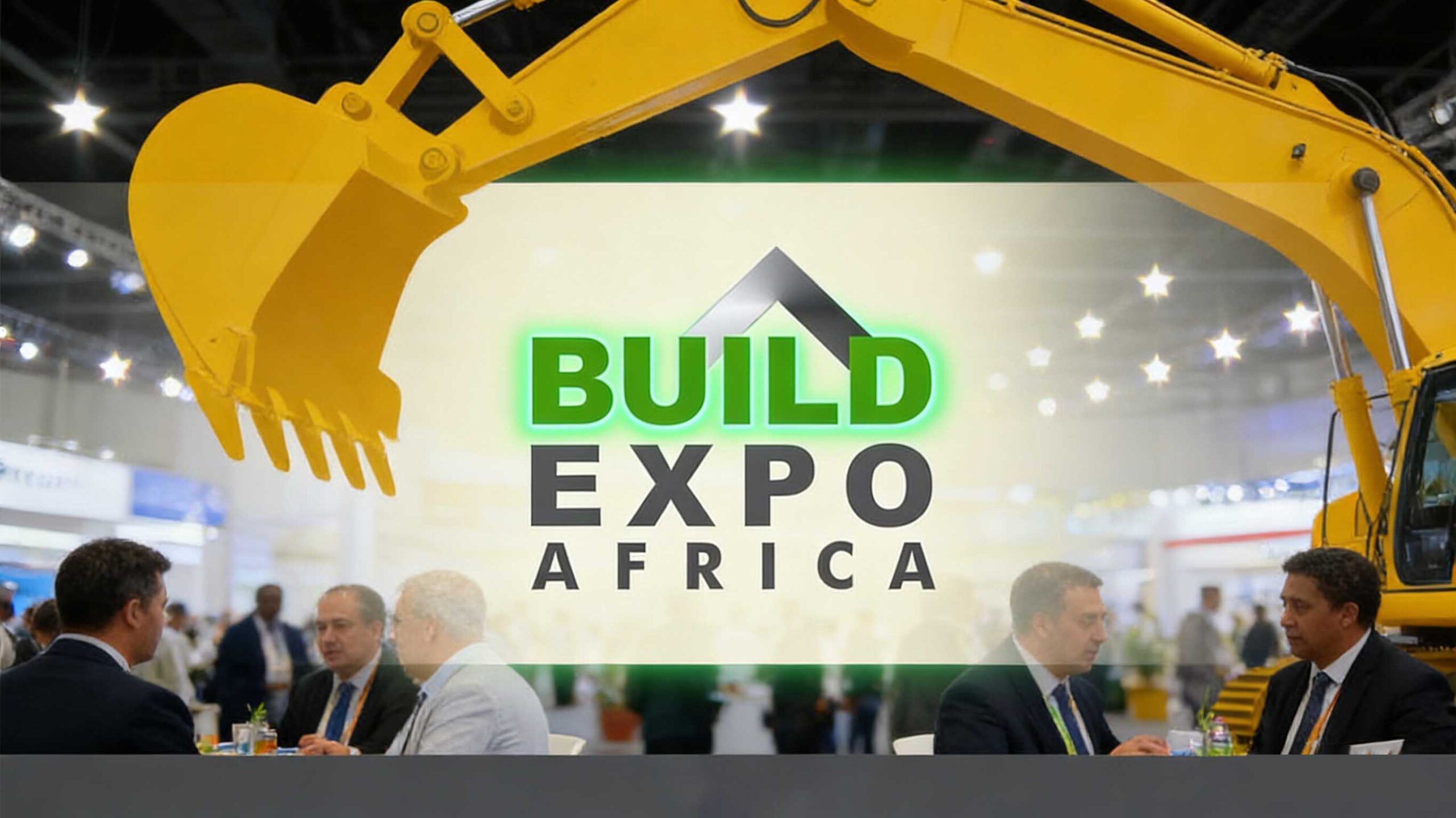
Across global construction markets, attention is quietly shifting south. While mature regions focus on replacement cycles and regulatory tightening, East Africa is building from the ground up. At the center of this momentum stands BUILDEXPO KENYA 2026, scheduled for July 8–10, 2026 at KICC in Nairobi.
This event is not simply a regional trade fair. It represents a structural inflection point in how construction materials, machinery, and industrial technologies are sourced, imported, and deployed across East and Central Africa. For manufacturers, exporters, and project contractors, BUILDEXPO Kenya functions as a gateway market intelligence platform—one that reflects Africa’s accelerating urbanization, infrastructure investment, and dependence on imported building solutions.
This article analyzes BUILDEXPO KENYA 2026 through the lens of regulation, trade flows, buyer behavior, and long-term sourcing strategy, rather than surface-level event promotion.
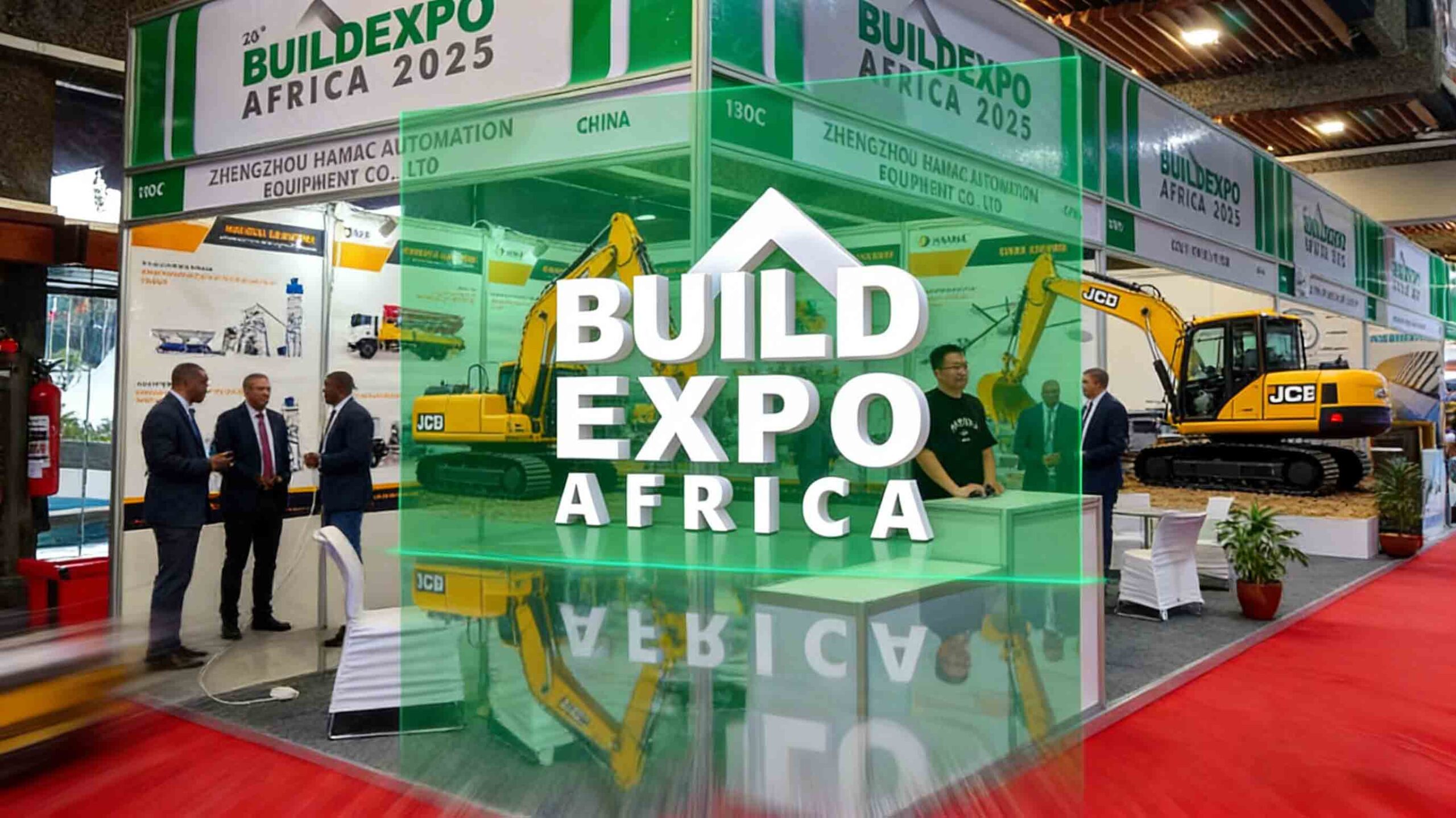
Overview of BUILDEXPO KENYA 2026: Scale and Market Position
BUILDEXPO Kenya is recognized as East Africa’s largest building and construction exhibition, consistently attracting exhibitors from more than 40 countries. Its scope covers:
-
Building materials and finishes
-
Construction machinery and heavy equipment
-
Mining and quarrying machines
-
Electrical systems, glass, ceramics, wood, plastics, and rubber products
-
Tools, hardware, and industrial equipment
The 27th edition reinforces Nairobi’s position as a logistics and decision-making hub for regional construction procurement, serving Kenya, Uganda, Tanzania, Rwanda, Ethiopia, and neighboring markets.
Unlike exhibitions in mature economies, BUILDEXPO Kenya reflects a market where demand is structurally unmet, making supplier relevance more durable and less trend-driven.
Kenya’s Construction Sector: Import-Driven by Design
Why Imports Dominate the Kenyan Market
Kenya’s building and construction sector relies heavily on imports due to structural gaps in domestic manufacturing. Key imported categories include:
-
Iron and steel products
-
Cement additives and processing equipment
-
Construction machinery and spare parts
-
Electrical appliances and systems
-
Glass, ceramics, plastics, and rubber products
This import reliance is not temporary. It is embedded in Kenya’s development model, which prioritizes speed, scale, and infrastructure delivery over localized production capacity in the short term.
For international manufacturers and factories, this creates sustained entry points, not one-off opportunities.
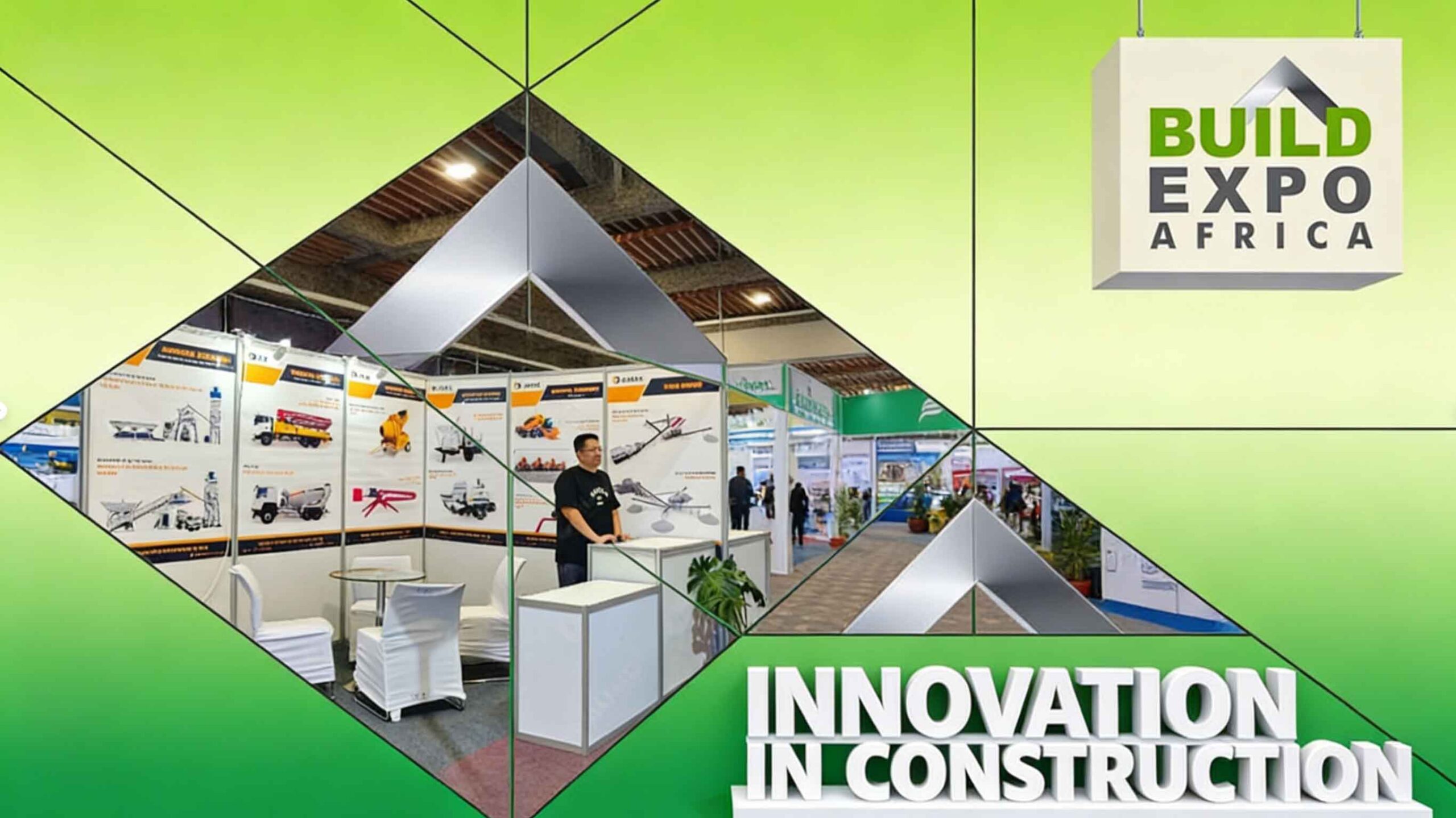
Regulatory Landscape: From Open Trade to Structured Compliance
Construction Standards and Import Controls
Kenya has steadily upgraded its construction and import regulatory framework, aligning with regional and international norms. Key regulatory forces include:
-
Kenya Bureau of Standards (KEBS) conformity requirements
-
Pre-export verification of conformity (PVOC) for imports
-
Environmental and safety compliance for construction machinery
-
Increasing emphasis on durability, lifecycle cost, and worker safety
Rather than restricting trade, these rules filter suppliers, favoring manufacturers able to document quality consistency and compliance history.
BUILDEXPO KENYA 2026 reflects this transition, with exhibitors increasingly presenting certification readiness, not just pricing advantages.
Infrastructure Investment as a Demand Multiplier
Data-Driven Growth Signals
Multiple international development institutions project sustained construction growth across East Africa. Infrastructure priorities include:
-
Urban housing and mixed-use developments
-
Transport corridors and logistics facilities
-
Energy and water infrastructure
-
Industrial parks and special economic zones
These projects are not speculative. They are backed by public-private partnerships, multilateral financing, and regional development frameworks, ensuring multi-year demand for construction materials and machinery.
For global suppliers, this shifts Africa from an “emerging opportunity” narrative to a planning-grade market.
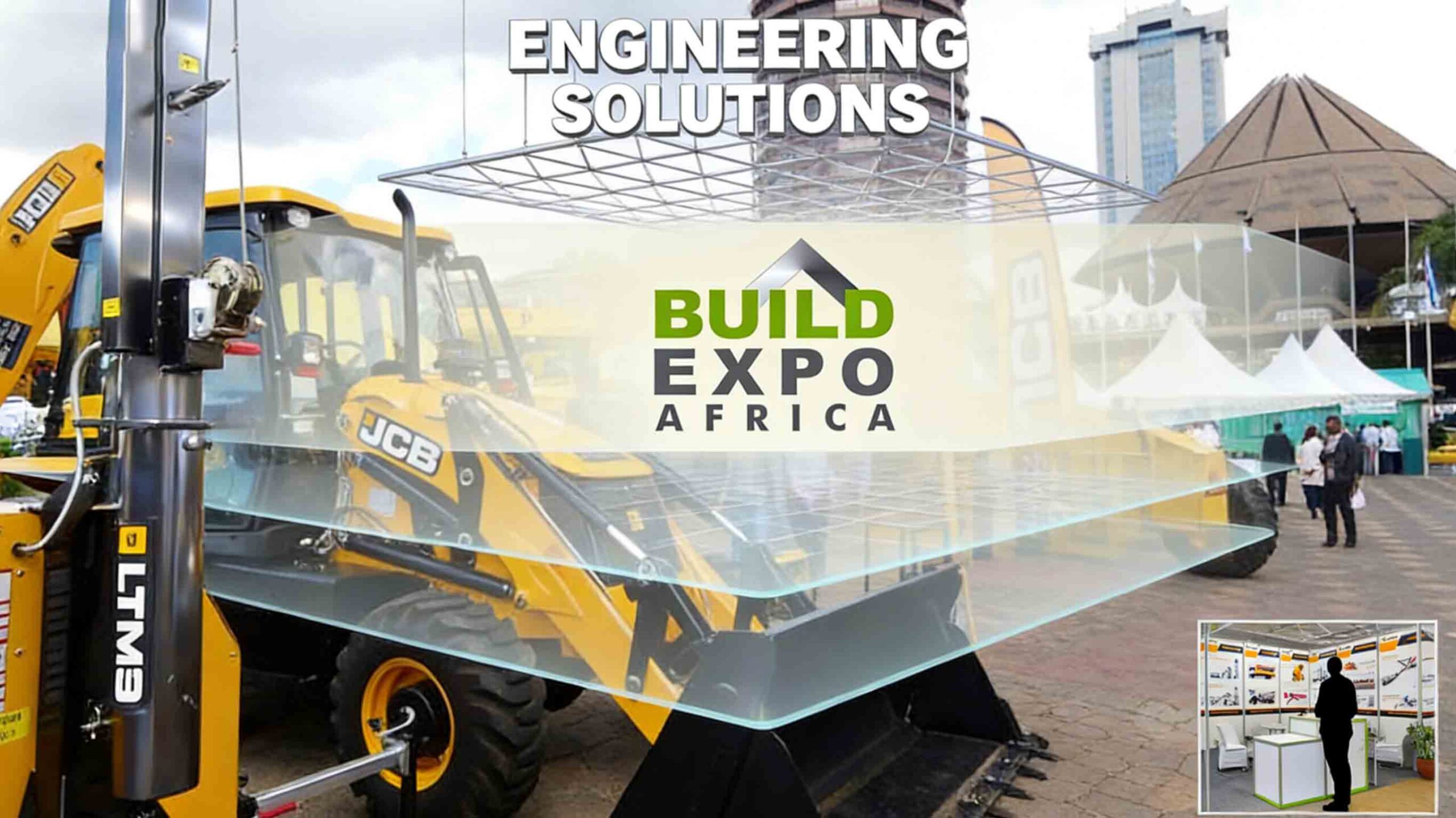
Buyer Behavior at BUILDEXPO KENYA: What Has Changed
From Price-Only to Reliability-Driven Sourcing
One of the most important shifts observed at BUILDEXPO Kenya editions is buyer behavior evolution. Procurement discussions increasingly focus on:
-
Supply continuity
-
Spare parts availability
-
Technical support and after-sales capability
-
Long-term cost efficiency rather than lowest upfront price
This mirrors patterns seen earlier in Southeast Asia and Eastern Europe, where buyers mature faster than supplier perceptions.
Notably, this sourcing transition echoes broader global trade shifts seen in other emerging regions, where gateway markets redefine sourcing logic rather than replicate Western models—a pattern also visible in Eastern Europe’s evolving construction and materials landscape.
Why BUILDEXPO KENYA Matters to Global Manufacturers
Africa as a Supply Chain Extension, Not a Risk Market
For manufacturers in Asia, Europe, and the Middle East, BUILDEXPO KENYA 2026 offers:
-
Direct access to import-driven buyers
-
Visibility into real project timelines
-
A platform to test product-market fit before large commitments
Rather than entering Africa blindly, the exhibition allows suppliers to calibrate expectations, identify reliable distributors, and understand regulatory realities firsthand.
This makes BUILDEXPO Kenya less about exposure and more about risk-controlled expansion.
Construction Machinery and Heavy Equipment Demand
Machinery as a Bottleneck and Opportunity
Construction machinery remains one of East Africa’s most constrained segments. Demand consistently outpaces local service capacity, creating strong opportunities for:
-
Machinery manufacturers
-
OEM spare parts suppliers
-
Tooling and consumables producers
Exhibitors increasingly position themselves as solution providers, emphasizing uptime, training, and lifecycle support—signals that buyers are receptive to deeper partnerships.
Long-Term Outlook: East Africa’s Construction Trajectory Beyond 2026
Looking ahead, three forces are likely to define the region:
-
Continued infrastructure-led growth backed by public and multilateral financing
-
Gradual tightening of quality and safety standards
-
Rising preference for stable, manufacturer-direct supply relationships
BUILDEXPO KENYA 2026 sits at the intersection of these forces, making it a strategic observatory for anyone serious about construction and materials sourcing in Africa.
Conclusion: BUILDEXPO KENYA as a Strategic Signal, Not Just an Event
BUILDEXPO KENYA 2026 represents more than an exhibition calendar date. It reflects East Africa’s transformation into a structurally important construction market—one shaped by import dependence, regulatory evolution, and sustained infrastructure demand.
For global manufacturers, machinery suppliers, and material exporters, understanding this market now is not optional. It is foundational for long-term positioning in Africa’s next construction cycle.
FAQ
1. What is BUILDEXPO KENYA 2026 mainly about?
BUILDEXPO KENYA 2026 focuses on building materials, construction machinery, tools, and industrial technologies serving East Africa’s fast-growing construction sector.
2. Who should attend BUILDEXPO KENYA 2026?
Manufacturers, exporters, construction contractors, importers, and distributors targeting East African infrastructure and building projects should attend.
3. Why is Kenya important for construction sourcing in Africa?
Kenya acts as a logistics and decision-making hub for East Africa, with strong import demand and regional connectivity.
4. Is BUILDEXPO KENYA relevant for overseas manufacturers?
Yes. The exhibition offers direct access to buyers who rely on imported materials, machinery, and factory-level supply partnerships.
5. What trends will shape East Africa’s construction market after 2026?
Key trends include infrastructure expansion, stricter quality standards, and a shift toward long-term supplier reliability over short-term pricing.
References
-
World Bank – Africa Infrastructure Development Outlook
-
African Development Bank – East Africa Construction Sector Review
-
UN Habitat – Urbanization Trends in Sub-Saharan Africa
-
OECD – Trade and Import Dependency in Emerging Markets
-
McKinsey Global Institute – Infrastructure Growth in Developing Economies
-
International Trade Centre – Building Materials Trade Patterns
-
International Labour Organization – Construction Safety Standards
-
Deloitte – Global Engineering and Construction Industry Analysis
Why BUILDEXPO Kenya matters in the global construction landscape:
BUILDEXPO Kenya 2026 represents more than a regional exhibition—it reflects how East Africa is transitioning from an emerging construction market into a structurally important sourcing region.
Kenya’s role as a logistics, regulatory, and procurement hub allows international manufacturers and exporters to access multiple East and Central African markets through a single decision center.
How East Africa’s construction demand is being shaped:
Unlike mature markets driven by renovation cycles, East Africa’s construction growth is fundamentally demand-driven.
Large-scale housing, transport infrastructure, and industrial projects are creating sustained need for imported building materials, construction machinery, and technical systems.
This demand is reinforced by limited local manufacturing capacity, making import-oriented supply chains a long-term structural feature rather than a temporary gap.
What buyers are prioritizing beyond price:
Procurement behavior in the region is evolving rapidly. Buyers increasingly evaluate suppliers based on product consistency, certification readiness, after-sales support, and long-term availability of spare parts.
This shift reduces the relevance of short-term price competition and increases the value of manufacturer-direct relationships and factory-backed supply models.
What sourcing options global suppliers should consider:
For overseas manufacturers, BUILDEXPO Kenya offers multiple entry paths—direct distribution partnerships, regional agents, project-based supply agreements, or staged market testing.
The exhibition enables suppliers to validate demand, understand regulatory expectations, and assess buyer maturity before committing to deeper market expansion.
Key considerations for long-term market alignment:
Successful participation in East Africa’s construction market requires alignment with evolving quality standards, realistic logistics planning, and an understanding of regional project timelines.
Suppliers that position themselves as stable, compliance-ready partners—rather than opportunistic exporters—are more likely to secure repeat business and long-term contracts as the market continues to mature.