Why Bianco Romano Granite Is Still Being Chosen in 2026
By 2026, the countertop conversation has shifted noticeably. Buyers are no longer asking which stone looks the most luxurious in photos. Instead, they want to know how a surface behaves after years of cooking, cleaning, sunlight exposure, and changing interior trends.
Bianco Romano Granite continues to appear on shortlists because it occupies a rare middle ground. It avoids the clinical feel of pure white engineered surfaces while also steering clear of the dramatic contrast that can visually dominate a space. Its popularity is not driven by trends but by predictability—both visually and technically.
This article answers the most common questions surrounding Bianco Romano Granite, focusing on real-world performance, maintenance expectations, and long-term suitability in 2026 homes.
What Is Bianco Romano Granite?
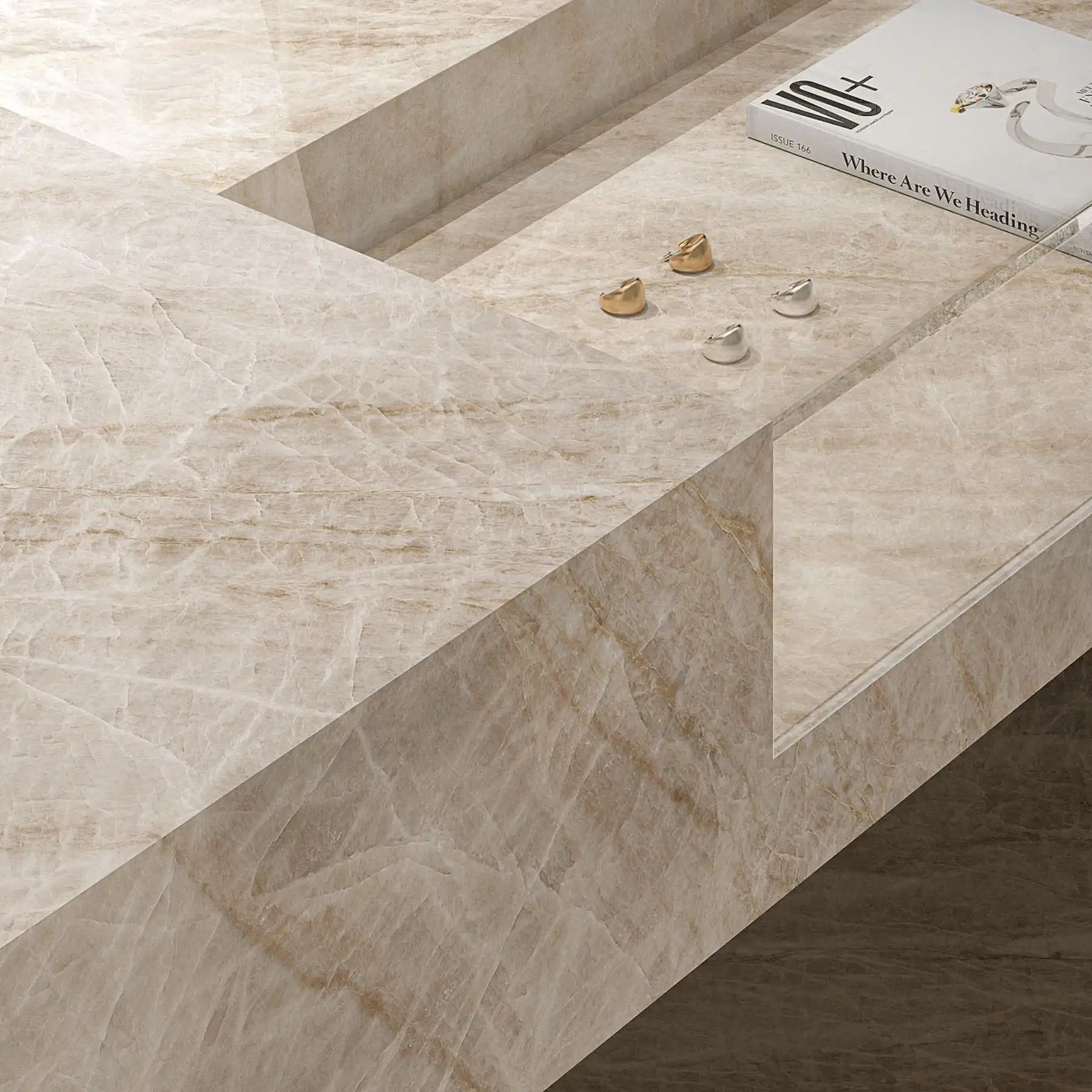
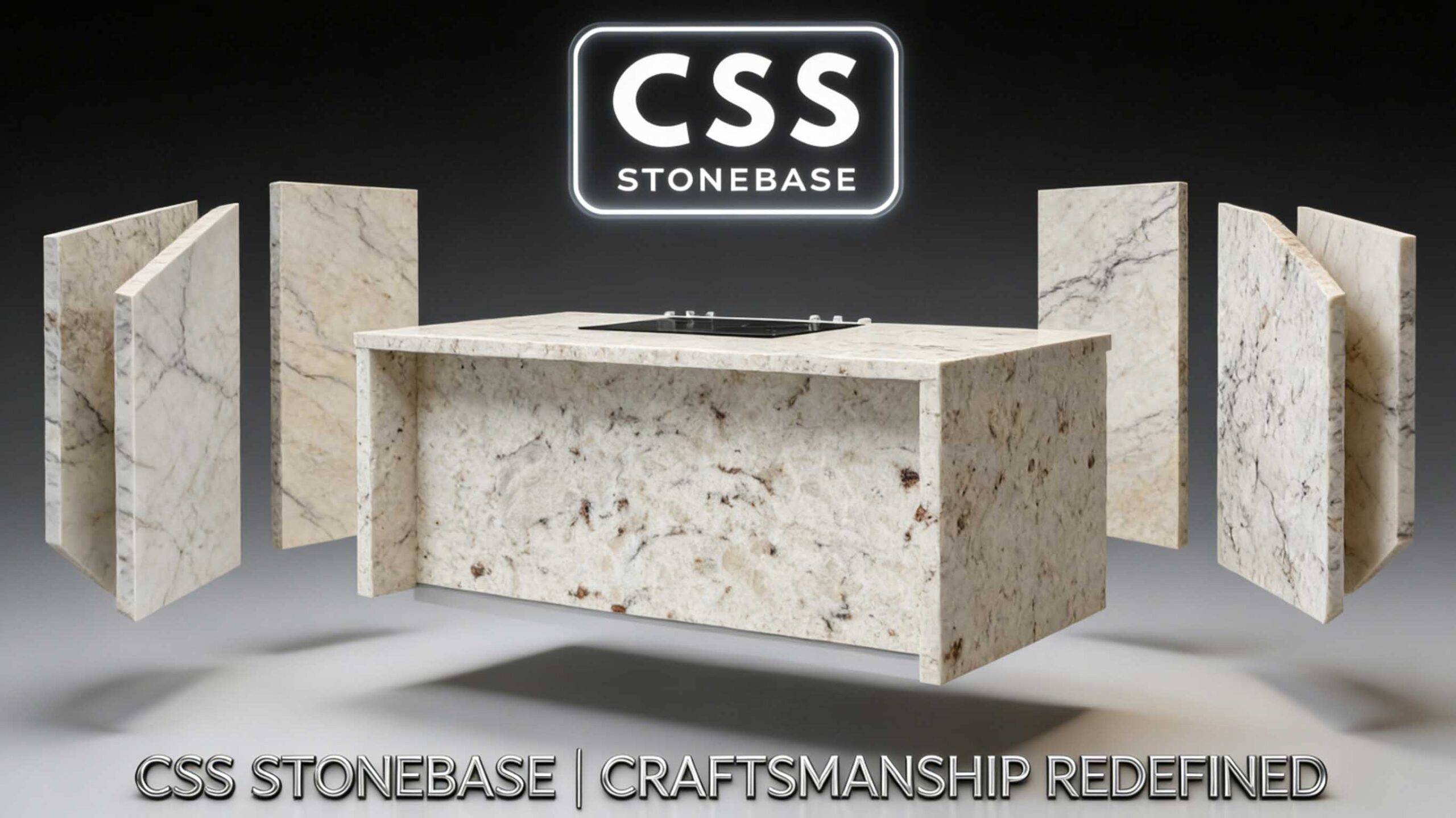
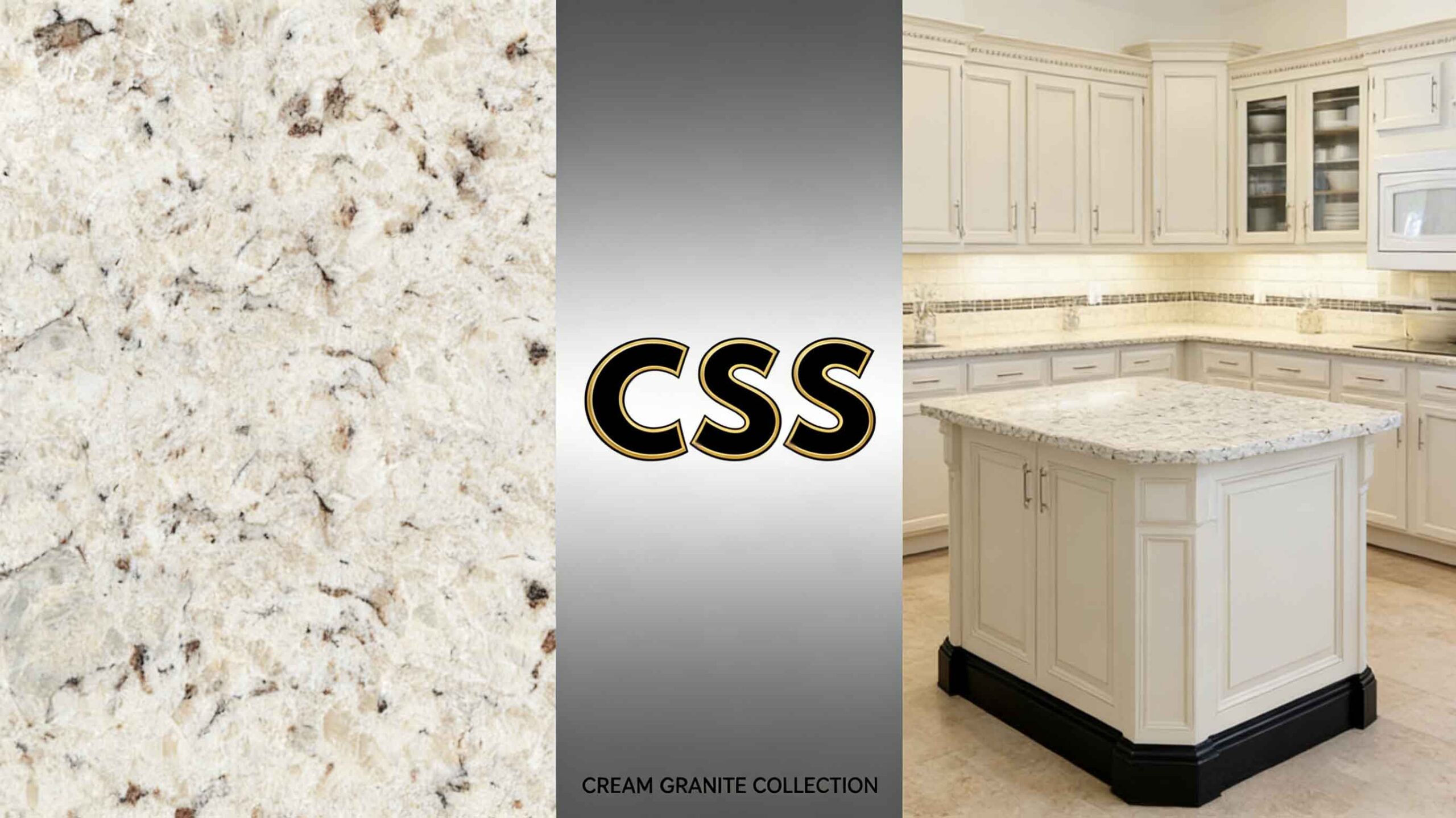
Bianco Romano Granite is a natural granite primarily quarried in Brazil. It features a creamy white to light beige background with soft gray, taupe, and occasional burgundy mineral flecks. Unlike high-contrast granites, its pattern is dispersed and understated, allowing it to work well across large countertop spans without overwhelming the space.
From a geological perspective, it is an igneous stone formed under high pressure, giving it a dense structure and reliable strength. This density contributes directly to its durability in kitchens and other high-use areas.

How Bianco Romano Granite Performs in Daily Life
Resistance to Scratches and Chips
In everyday residential use, Bianco Romano Granite performs well against routine wear. While no natural stone is completely damage-proof, light utensil contact and daily food preparation rarely leave visible marks. Chipping risks are typically limited to unprotected edges rather than flat surfaces.
Heat Tolerance in Kitchens
Granite remains one of the most heat-resistant countertop materials. Bianco Romano Granite can tolerate brief contact with hot cookware, making it suitable for active kitchens where cooking is frequent.
Stain Resistance and Porosity
Bianco Romano Granite is less porous than marble but still requires sealing. Once sealed properly, it resists common household stains such as oils, sauces, and beverages. In 2026, sealing schedules are increasingly usage-based rather than time-based, with many homeowners resealing only when water absorption becomes noticeable.

Where Bianco Romano Granite Works Best
Kitchen Countertops
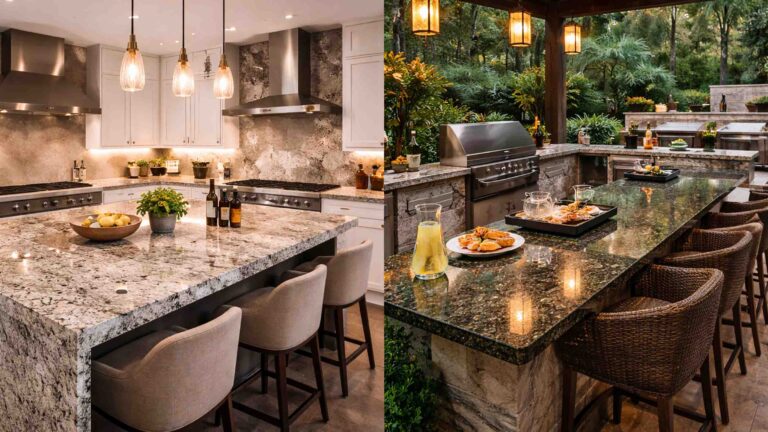
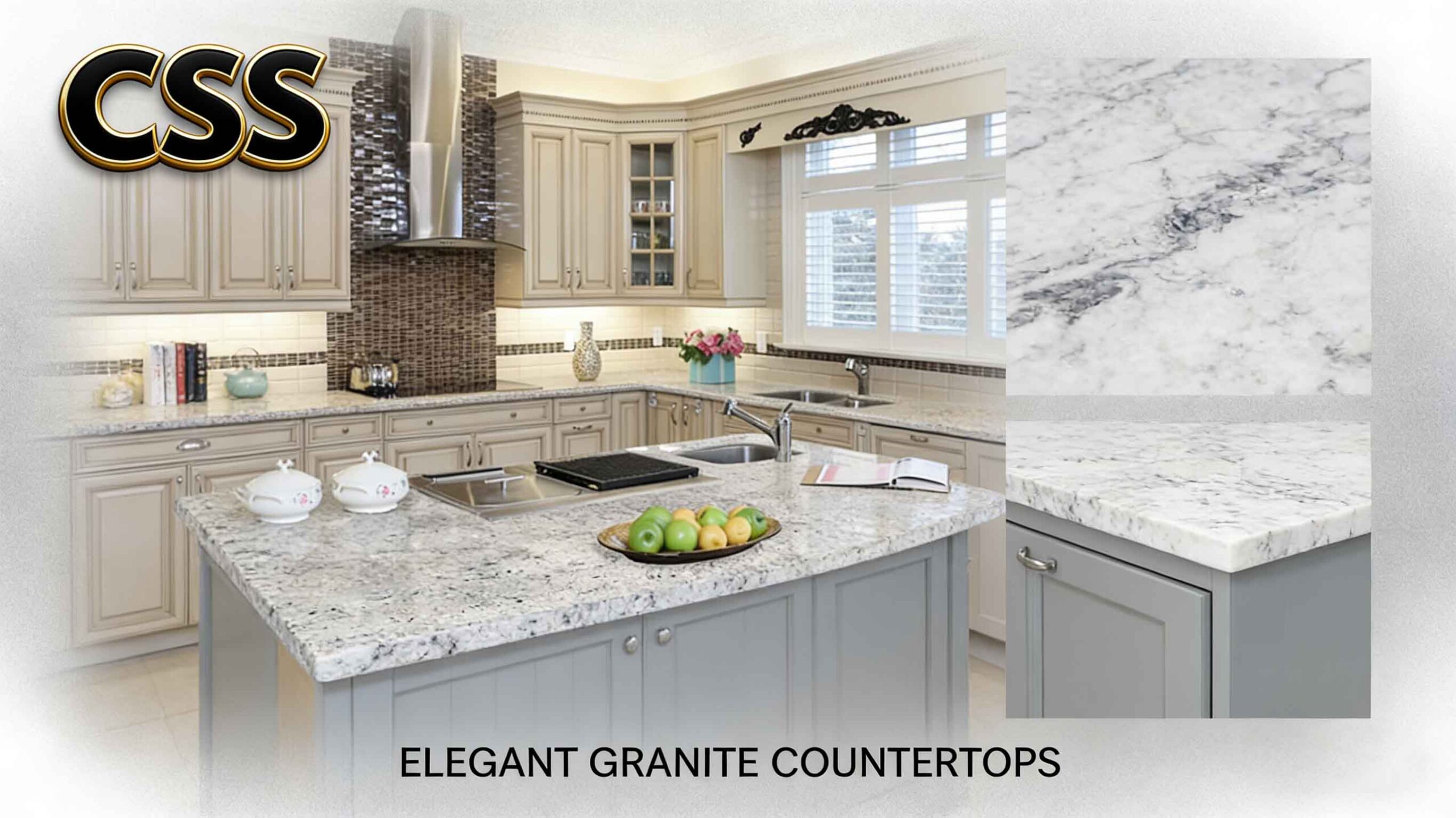
Its warm undertones complement white, cream, gray, and wood cabinetry. Because it avoids stark contrast, it supports both minimalist and transitional kitchen designs.
Bathroom Vanities
In bathrooms, Bianco Romano Granite offers moisture resistance and visual softness, making it suitable for vanity tops and shower benches.
Open-Plan Living Spaces
In open layouts, where countertops are visible from living and dining areas, its calm appearance prevents visual fatigue over time.

Bianco Romano Granite vs. Other Popular Surfaces
Compared with White Marble
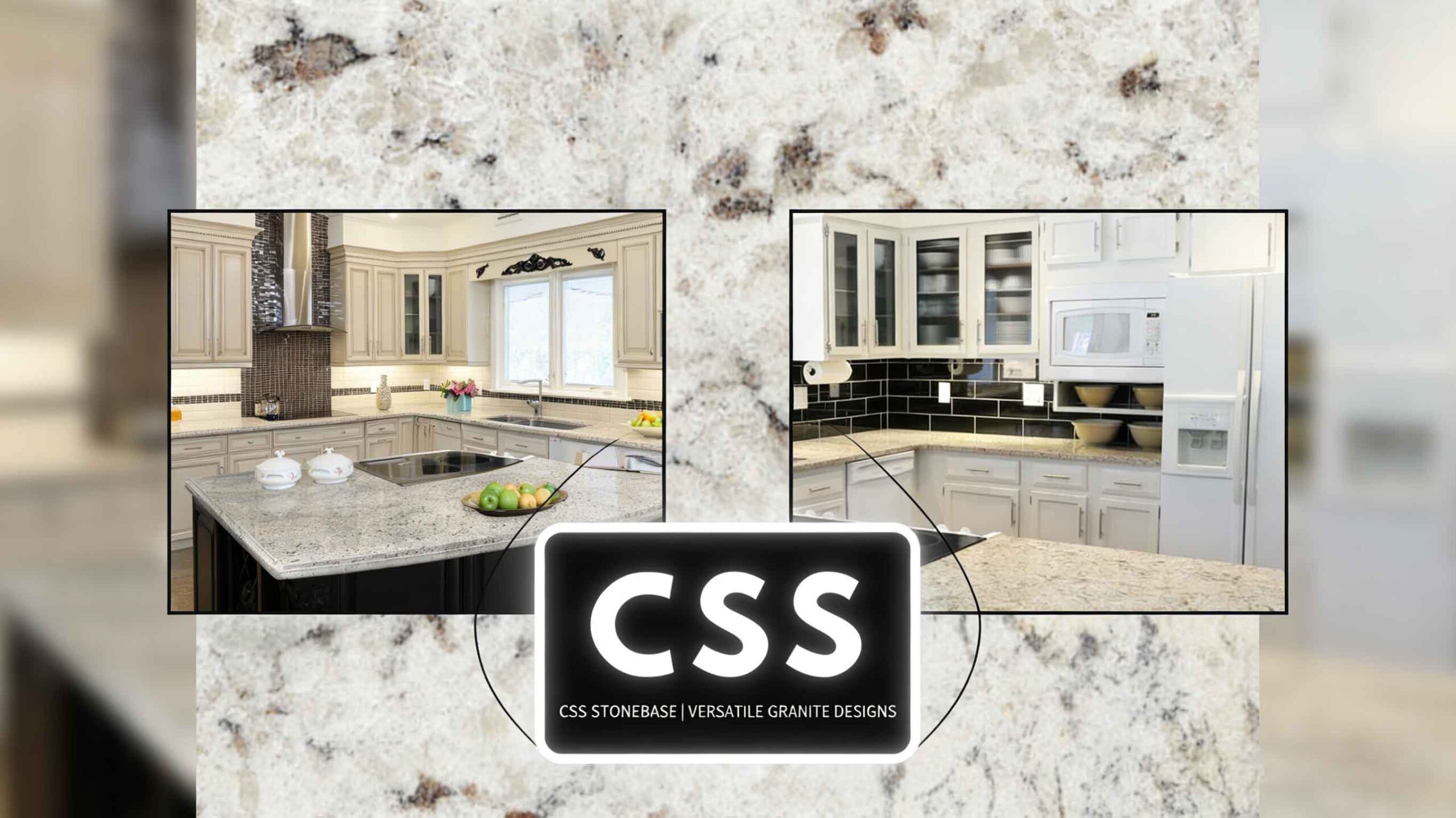
Marble is valued for elegance but requires careful handling. Bianco Romano Granite provides a similar light aesthetic with significantly lower maintenance demands, making it more forgiving for everyday use.
Compared with Quartz Countertops
Quartz offers uniformity and stain resistance but relies on resins and pigments. Buyers who prioritize natural stone composition and heat resistance often prefer granite. For readers comparing surface durability risks across materials, this internal guide on what can damage quartz countertops offers a useful contrast point when evaluating granite alternatives.
Design Compatibility in 2026 Interiors
In 2026, interior design favors materials that age quietly rather than command attention. Bianco Romano Granite aligns with this direction by offering:
-
Subtle movement that hides minor wear
-
Warm coloration that softens modern spaces
-
Compatibility with matte, satin, and polished finishes
Its adaptability allows homeowners to refresh cabinetry or wall colors without needing to replace the countertop.

Sustainability and Material Responsibility
While granite is a natural material, sustainability depends on quarry practices, fabrication efficiency, and lifespan. In 2026, long-lasting materials are increasingly valued for reducing renovation frequency and material waste.
Bianco Romano Granite is often selected for its longevity, allowing homeowners to avoid premature replacements that contribute to higher material turnover.

Common Buyer Concerns About Bianco Romano Granite
Does Bianco Romano Granite Look Too Busy?
Despite visible mineral variation, the pattern is generally perceived as soft and balanced rather than busy. Large slabs maintain visual continuity without harsh contrasts.
Will It Darken or Yellow Over Time?
Granite does not yellow naturally. Changes in appearance are typically related to sealant degradation or surface residue, both of which are manageable with proper care.
FAQs: Bianco Romano Granite in 2026
1. Is Bianco Romano Granite suitable for family kitchens?
Yes. Its durability, heat tolerance, and manageable maintenance make it well-suited for busy family kitchens.
2. Does Bianco Romano Granite require frequent sealing?
No. With proper initial sealing, resealing is typically needed only based on usage rather than on a fixed schedule.
3. Can Bianco Romano Granite be used in bathrooms?
Yes. When sealed, it performs well in moisture-prone environments such as bathrooms.
4. How does Bianco Romano Granite compare to marble in maintenance?
It generally requires less maintenance and is more forgiving of spills and daily wear than marble.
5. Is Bianco Romano Granite still relevant in 2026 design trends?
Yes. It is considered a timeless, neutral option rather than a trend-driven surface.
References
-
Natural Stone Institute – Granite Performance Standards
-
Marble Institute of America – Residential Stone Applications
-
ASTM International – Dimension Stone Testing Methods
-
U.S. Green Building Council – Material Longevity Guidelines
-
Architectural Digest – Kitchen Material Selection Trends
-
Journal of Architectural Materials – Granite Durability Studies
-
Interior Design Magazine – Neutral Stone Surfaces
-
Building Research Establishment – Natural Stone Lifecycle Reports
Why do buyers choose it? Because it bridges the gap between decorative appeal and everyday practicality.
How should it be positioned? As a warm, neutral granite that supports evolving interior styles without dominating them.
What should buyers consider? Proper sealing, slab variation, and realistic expectations of natural stone movement.