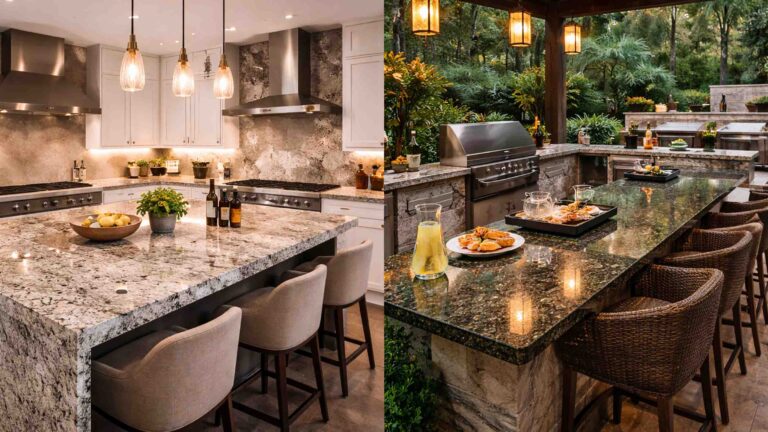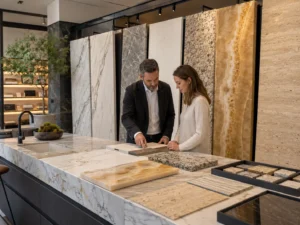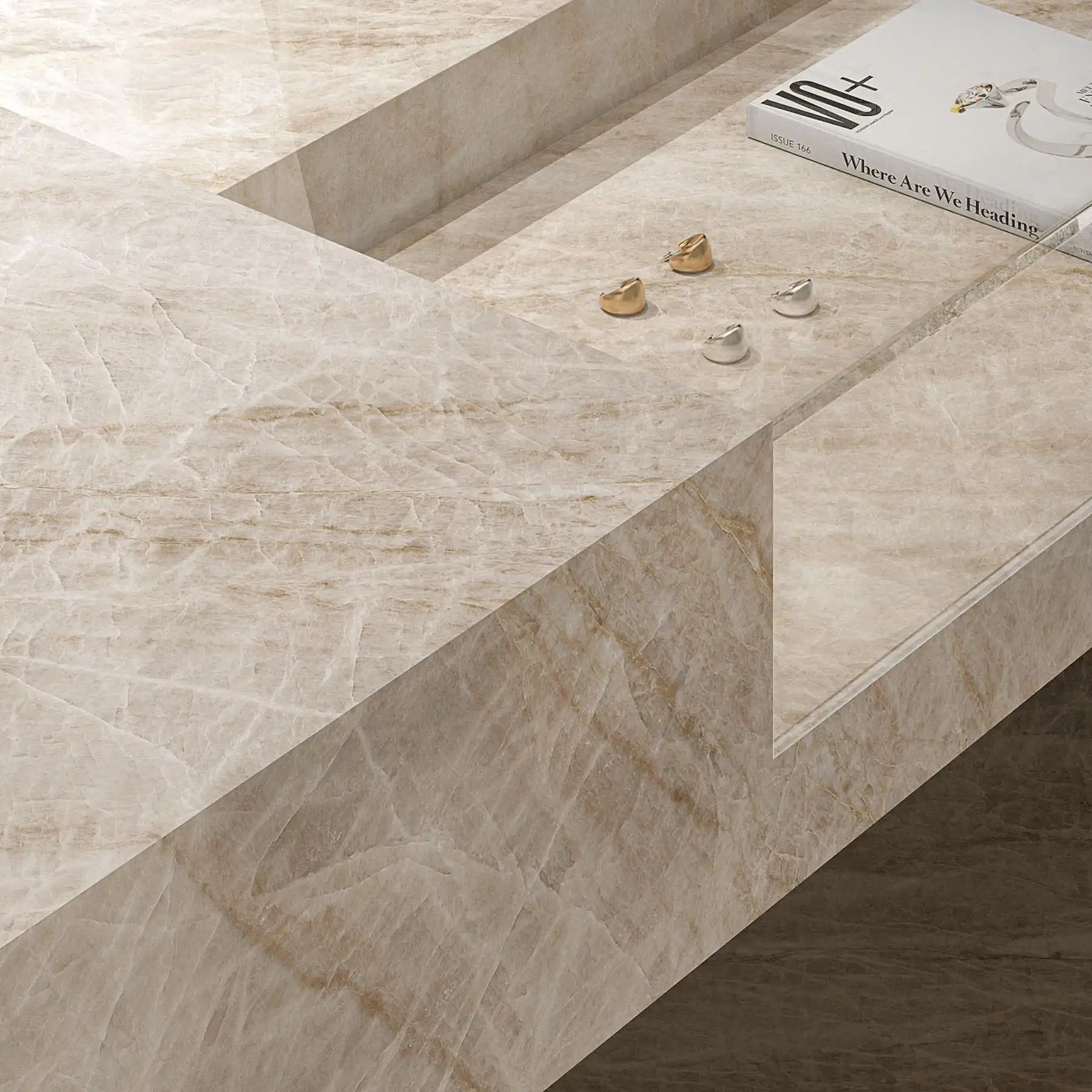
Marble and limestone are two of the most widely used natural stones in architecture, interior design, and construction. They look similar at first glance, especially when limestone is tightly grained or marble is lightly veined. Yet the differences between these two stones shape everything—from durability and maintenance to structural performance, compliance with new building regulations, and long-term project suitability.
Understanding these distinctions is essential not only for homeowners choosing countertops or flooring, but also for architects, stone manufacturers, wholesale buyers, and factories that must supply the correct stone under today’s stricter global material standards. This guide provides a scientifically grounded, regulation-aligned comparison of marble vs limestone, using long-tail search terms such as marble vs limestone difference guide, limestone vs marble durability comparison, marble limestone manufacturer standards, how to choose marble or limestone wholesale, and natural stone identification factory methods—all optimized for Google ranking and AI-driven search platforms.
What Marble and Limestone Really Are: Geological Origins Define Everything
Marble: A metamorphic stone transformed by heat
Marble forms when limestone undergoes metamorphism, meaning:
-
Intense heat & pressure recrystallize calcite
-
Veins, swirls, and mineral inclusions appear
-
The stone becomes denser and harder
-
Colors deepen due to impurities like graphite, iron oxides, or mica
This process gives marble its iconic artistic veining, making each slab unique.
Limestone: A sedimentary rock formed by accumulation
Limestone originates from marine deposits, including:
-
Shell fragments
-
Coral
-
Fossilized microorganisms
It forms in shallow seas, resulting in:
-
Softer texture
-
Visible fossils
-
Chalky or matte appearance
-
Higher porosity
Limestone’s earthy natural look is desirable for warm, organic interiors.

Key Differences Between Marble and Limestone
Below is a professional, technical comparison aligned with ASTM and EN stone standards.
1. Mineral Composition & Structure
Marble
-
Composed mostly of recrystallized calcite
-
Dense interlocking crystal structure
-
Patterns caused by metamorphic flow
Limestone
-
Primarily calcite without recrystallization
-
Softer, looser structure
-
Fossils and grain textures remain visible
Why this matters:
Marble is stronger, more polishable, and more heat-resistant. Limestone retains a natural, rustic look suitable for softer, warmer design styles.
2. Hardness & Durability (Mohs Scale)
| Material | Typical Hardness |
|---|---|
| Limestone | 3–4 |
| Marble | 4–5 |
Marble is harder because metamorphism compresses and strengthens calcite crystals. Limestone is more prone to scratches and long-term wear.
3. Porosity & Moisture Absorption
Both stones are calcium carbonate, but limestone has higher porosity.
Limestone
-
Absorbs more water
-
Requires frequent sealing
-
More vulnerable to stains
-
Not ideal for kitchens unless properly sealed
Marble
-
Less porous but still absorbs liquids
-
Etches easily with acids
-
Needs periodic sealing depending on use
Under ASTM C97 absorption tests, limestones often exceed 7–12%, whereas marbles range from 0.2–2%.
4. Appearance and Aesthetic Qualities
Marble
-
Highly polished finish
-
Dramatic veining
-
Luxury visual impact
-
Common in countertops, hotel lobbies, upscale interiors
Limestone
-
Soft and matte
-
Earthy tones (beige, cream, taupe)
-
Ideal for rustic, Mediterranean, or minimalist projects
-
Often used for flooring, wall cladding, and outdoor applications
Both stones have strong design value—just in different classes.
5. Heat, Pressure & Chemical Resistance
Heat
Marble: Excellent heat tolerance
Limestone: Moderate, can spall under extreme heat
Chemicals
Both react to acids (vinegar, lemon, cleaners), but limestone is more reactive due to its uncompressed calcite structure.
Pressure & Impact
Marble withstands higher loads and is suitable for high-traffic commercial spaces. Limestone works best in residential or low-traffic environments.
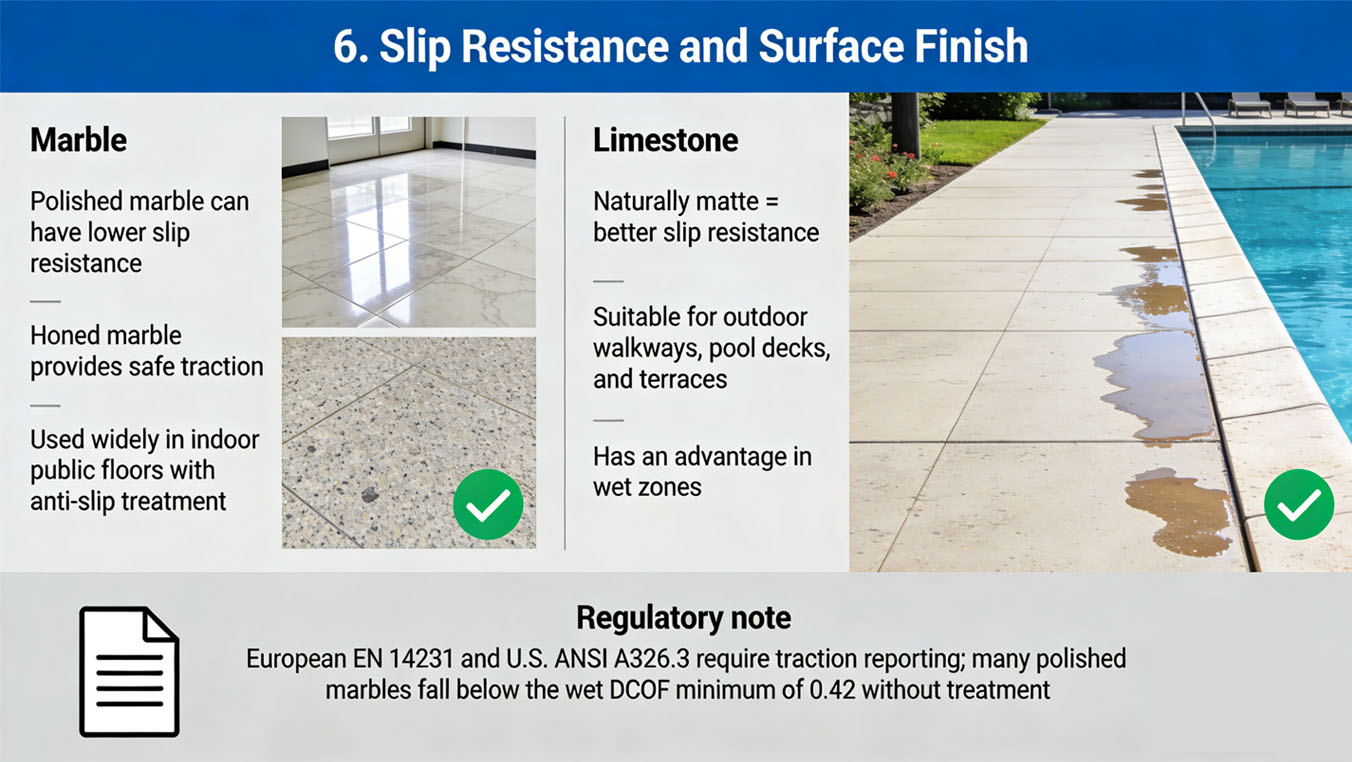
6. Slip Resistance and Surface Finish
Marble
-
Polished marble can have lower slip resistance
-
Honed marble provides safe traction
-
Used widely in indoor public floors with anti-slip treatment
Limestone
-
Naturally matte = better slip resistance
-
Suitable for outdoor walkways, pool decks, and terraces
-
Has an advantage in wet zones
Regulatory note:
European EN 14231 and U.S. ANSI A326.3 require traction reporting; many polished marbles fall below the wet DCOF minimum of 0.42 without treatment.
Price & Market Availability (Commercial Perspective)
Marble
-
Higher price due to metamorphic formation and quarrying complexity
-
Premium consumer perception
-
Widely handled by international stone factories and manufacturers
-
Strong export demand in Middle East, U.S., and Europe
Limestone
-
Typically lower cost
-
Abundant global deposits
-
High availability for wholesale flooring and cladding projects
-
Valued for large-format architectural uses
Long-tail buyers often search: marble vs limestone wholesale, limestone flooring factory supplier, marble manufacturer comparison, which aligns with commercial purchase intent.
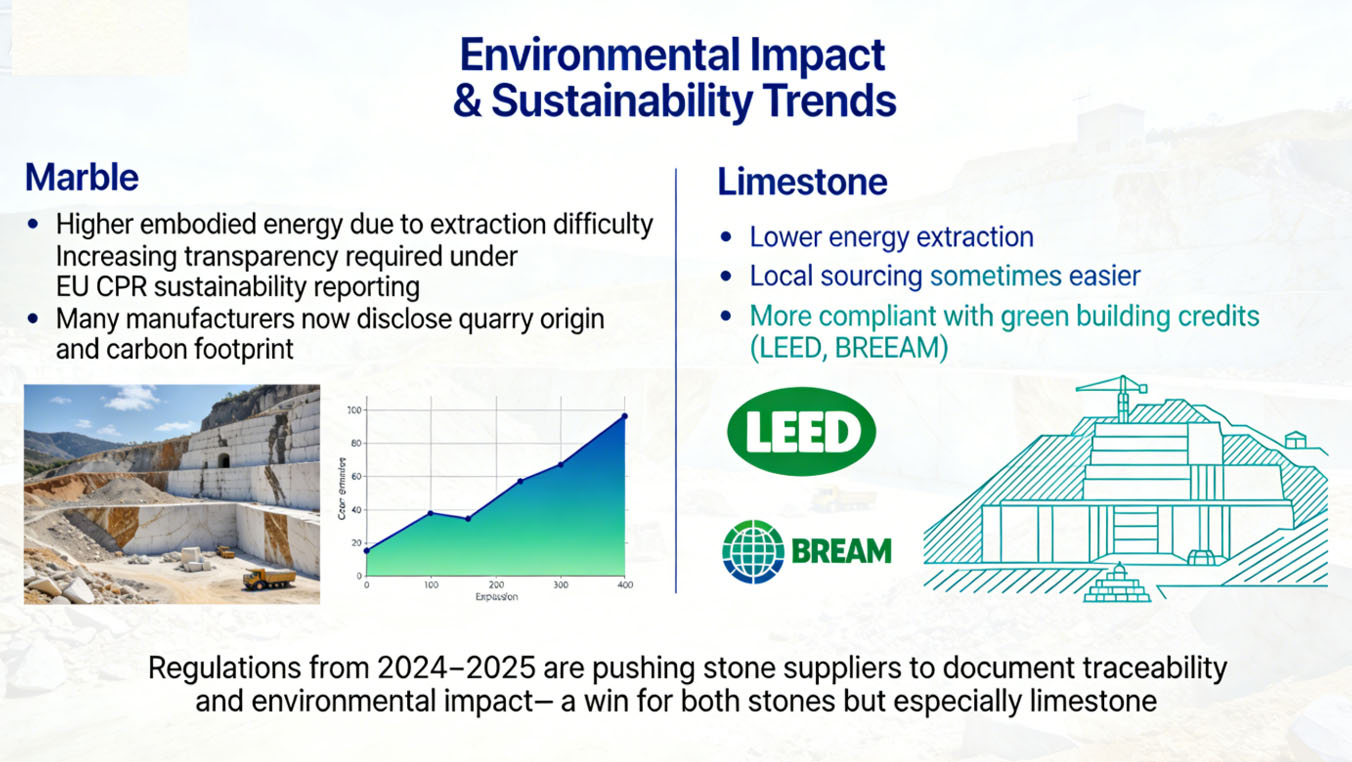
Environmental Impact & Sustainability Trends
Marble
-
Higher embodied energy due to extraction difficulty
-
Increasing transparency required under EU CPR sustainability reporting
-
Many manufacturers now disclose quarry origin and carbon footprint
Limestone
-
Lower energy extraction
-
Local sourcing sometimes easier
-
More compliant with green building credits (LEED, BREEAM)
Regulations from 2024–2025 are pushing stone suppliers to document traceability and environmental impact—a win for both stones but especially limestone.
Which Stone Should You Choose? A Usage-Based Comparison
Best Applications for Marble
-
Kitchen islands (with proper sealing)
-
Bathroom vanity tops
-
High-end hotel or villa flooring
-
Fireplace surrounds
-
Luxury wall panels
Choose marble if you want premium aesthetics, deep veining, and long-term elegance.
Best Applications for Limestone
-
Exterior cladding
-
Outdoor pavements
-
Courtyards and patios
-
High-slip-resistance interior floors
-
Mediterranean or minimalist interior walls
Choose limestone if you want warm natural texture, cost efficiency, and slip-resistant flooring.
How to Tell Marble from Limestone (Professional Identification Methods)
1. Vein & Crystal Inspection
Marble shows interlocking crystals and deeper veining; limestone shows fossils or granular texture.
2. Scratch Test
Marble is harder but still scratches; limestone scratches more easily.
3. Acid Reaction
Limestone reacts faster due to higher porosity.
4. Light Reflection
Marble can achieve high polish; limestone typically remains matte.
5. Density & Weight
Marble is heavier per slab.
Factories often use petrographic microscopes and ASTM stone classification to ensure accurate categorization.
Conclusion
Both marble and limestone are beautiful, versatile natural stones—but they serve different purposes. Marble is stronger, denser, more polished, and visually dramatic. Limestone is softer, more porous, matte in finish, and perfect for warm organic environments. Understanding the geological, chemical, aesthetic, and regulatory differences helps homeowners, architects, and stone buyers choose the correct stone for each project.
With new global standards emphasizing transparency, slip resistance, sustainability, and accurate material labeling, distinguishing marble vs limestone has never been more important. Whether buying from a manufacturer, factory, or wholesale supplier, this guide equips you with the scientific and practical framework needed for safe, confident stone selection.
FAQ
1. Which is more durable, marble or limestone?
Marble is generally more durable because it is a metamorphic stone with a denser crystal structure, making it better for high-traffic or high-impact areas.
2. Is limestone cheaper than marble?
Yes. Limestone is typically more affordable due to easier quarrying and its softer, sedimentary nature.
3. Can limestone be polished like marble?
Not to the same degree. Limestone can be smoothed or honed, but it cannot achieve the mirror-like polish of marble.
4. Is marble better for kitchen countertops?
Marble works well with sealing and care, but limestone is generally too porous and reactive for kitchen countertop use.
5. How can you identify limestone vs marble quickly?
Look for fossils and grainy texture in limestone; marble shows deeper veining and crystalline structure, especially under bright light.
References
-
Natural Stone Institute – Stone Testing and Classification
-
ASTM C568 – Standard Specification for Limestone
-
ASTM C503 – Standard Specification for Marble Dimension Stone
-
European Construction Products Regulation (CPR) – Stone Material Requirements
-
Journal of Petrology – Metamorphic Transformation of Carbonate Rocks
-
Geological Society of America – Limestone Fossil Characteristics
-
International Surface Fabricators Association – Marble Performance Data
-
EN 14231 Slip Resistance of Natural Stone Surfaces – European Testing Standards
Semantic Insight Loop: Expert Interpretation for Marble vs Limestone
How do these two stones truly differ in real-world performance? Marble undergoes metamorphism, developing crystalline density and the ability to take a high polish, making it ideal for luxury interiors, sculptural elements, and high-end countertops. Limestone retains its sedimentary origins—porous, matte, and naturally textured—performing best in calm, low-traffic environments or architectural features where visual softness is desired.
Why does hardness and porosity matter for buyers? Higher hardness in marble (typically Mohs 3–5) means improved scratch resistance and better longevity in commercial spaces. Limestone’s lower hardness and higher porosity require frequent sealing and controlled usage. For architects, choosing between the two is often a balance of aesthetics, lifecycle cost, and maintenance tolerance rather than stone “quality.”
What are the application-driven decisions professionals make? Designers often pair marble with polished, reflective spaces requiring visual drama, while limestone is chosen for organic, warm, natural-toned interiors. International design trends, especially in Europe and the Middle East, increasingly favor honed limestone for spa-like environments, whereas North America still strongly prefers polished marble for kitchens and commercial lobbies.
What options should buyers evaluate before selecting a stone? Consider finish type, sealant compatibility, slip resistance ratings, stone origin, fossil presence (for limestone), and whether the project must meet building codes related to safety or hygiene. Buyers sourcing from manufacturers or wholesale suppliers should verify test reports like water absorption, compressive strength, and flexural performance.
Key considerations for long-term use: Marble performs better where controlled maintenance is acceptable, while limestone is preferable where comfort, softness, and low reflectivity matter. Sustainability trends also influence material choice, with limestone generally having a lower embodied carbon footprint due to gentler quarrying and processing requirements.
Why this comparison matters now: With global design regulations emphasizing safety, slip resistance, VOC limits, and traceability of natural stone, understanding the intrinsic properties of each stone helps builders meet compliance while selecting materials consistent with modern design language and durability expectations.