Why Copenhagen Granite Is Being Reconsidered in 2026
In recent years, the definition of “premium stone” has shifted. Buyers are no longer chasing dramatic patterns alone. Instead, they are asking whether a surface can support quieter interiors, changing lifestyles, and long-term usability.
Copenhagen Granite fits into this new conversation naturally. Its appeal is subtle rather than theatrical. The stone’s restrained gray palette, minimal contrast, and even mineral distribution make it particularly relevant in 2026, when Nordic and low-visual-noise interiors continue to influence global residential design.
This article addresses the most common questions people ask about Copenhagen Granite, focusing on where it performs best, how it behaves in real homes, and why it is increasingly specified for projects that value balance over boldness.
What Is Copenhagen Granite?
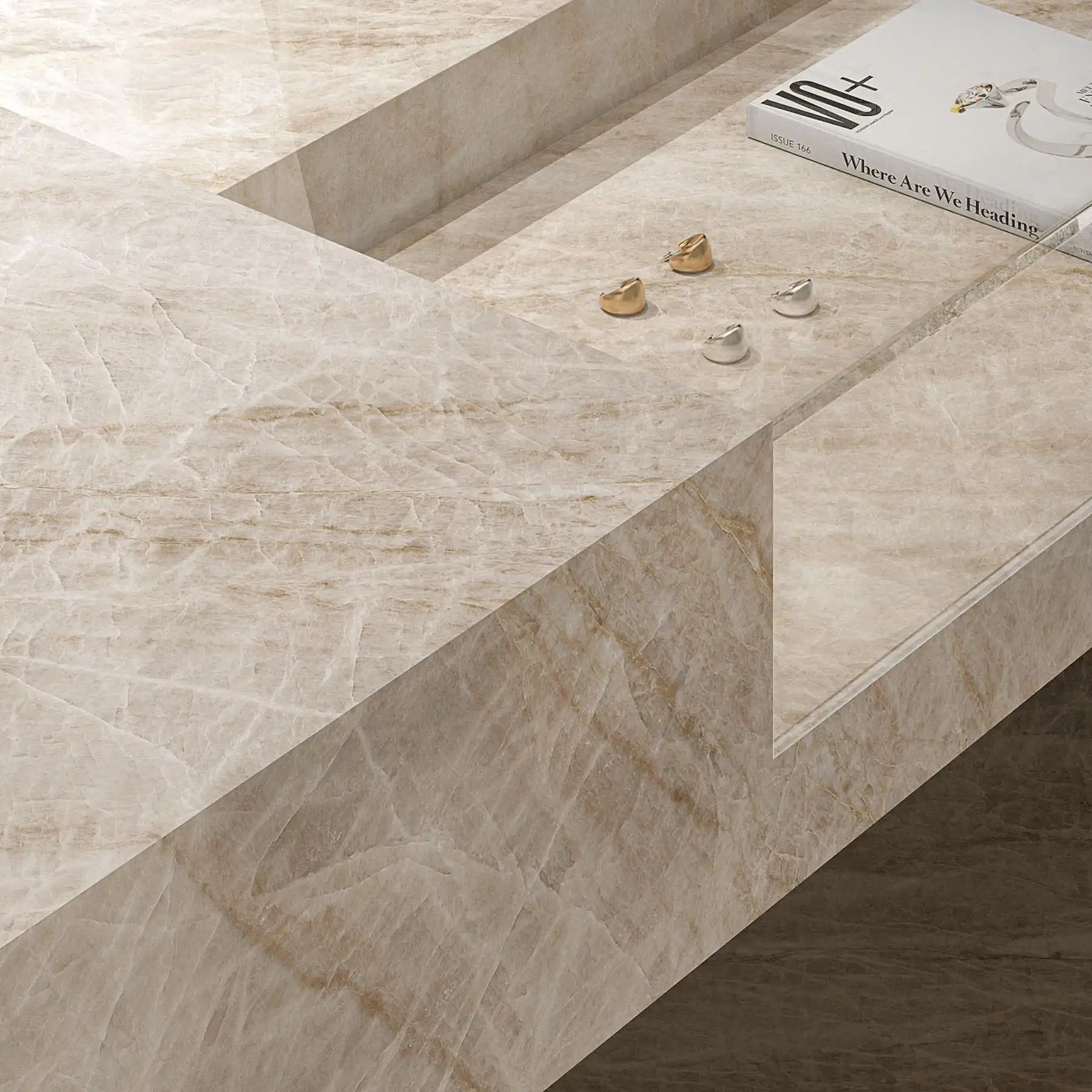
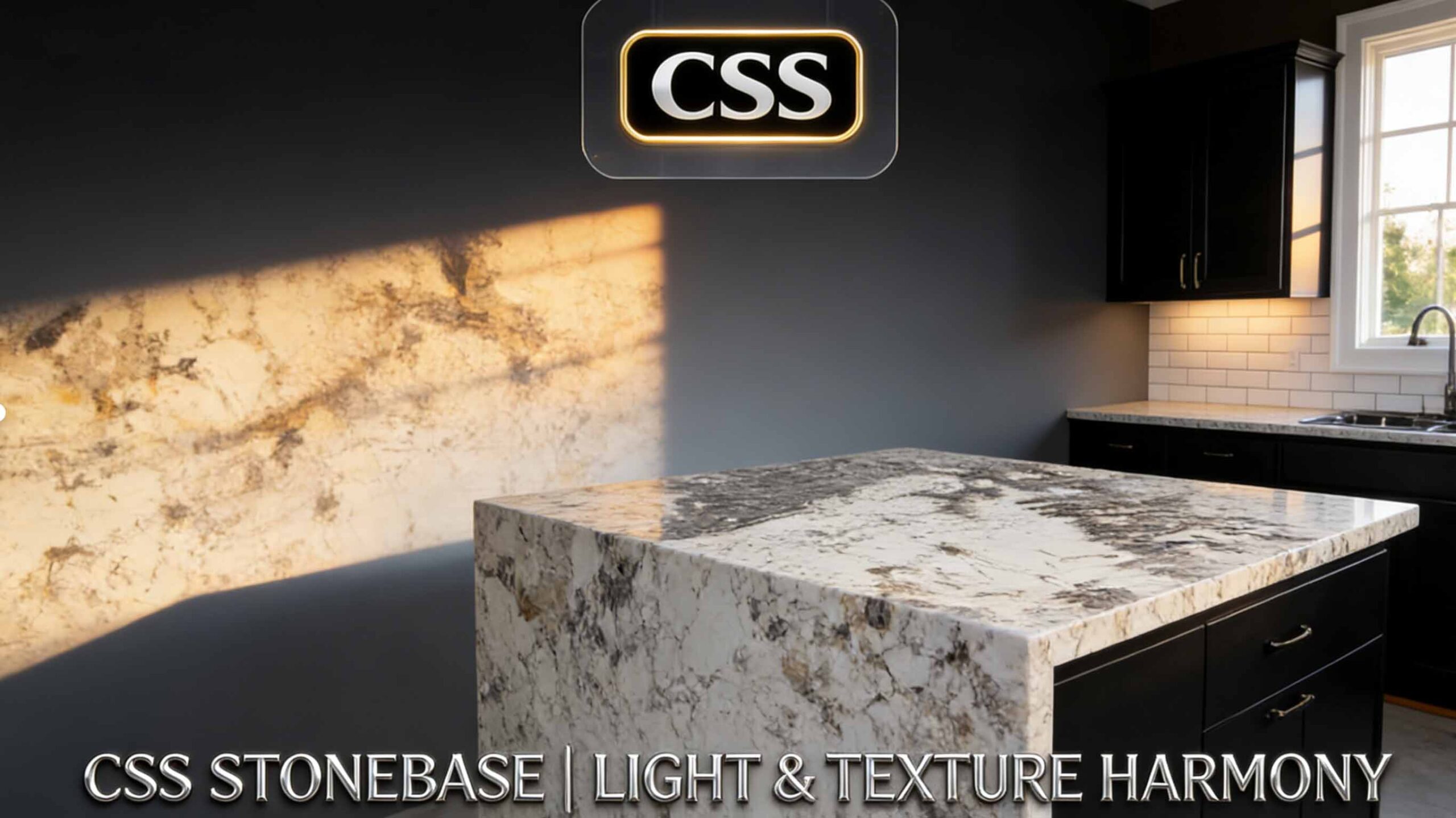
Copenhagen Granite is a light gray natural granite characterized by fine black and charcoal mineral speckling distributed evenly across the surface. Unlike high-contrast granites, it avoids large clusters or dramatic veining, resulting in a consistent appearance across large slabs.
Geologically, it is an igneous stone with a dense crystalline structure, which gives it the durability granite is known for. Its visual neutrality allows it to integrate seamlessly into modern, Scandinavian-inspired interiors without overpowering surrounding materials.
The Nordic Design Logic Behind Copenhagen Granite
Calm Surfaces for Visually Quiet Spaces
In Nordic design philosophy, surfaces are meant to support daily life rather than dominate it. Copenhagen Granite reflects this mindset. Its subdued coloration reduces visual fatigue, especially in open-plan homes where kitchen surfaces remain in view throughout the day.
Compatibility with Natural Materials
Copenhagen Granite pairs naturally with wood, matte finishes, linen textures, and soft neutral walls. This compatibility makes it easier to update interiors over time without replacing the countertop.
How Copenhagen Granite Performs in Cold and Variable Climates
Thermal Stability
In regions with cold winters and fluctuating indoor temperatures, surface materials must handle thermal changes without cracking or warping. Granite’s dense structure makes Copenhagen Granite well-suited for such environments.
Resistance to Moisture and Condensation
In colder climates, condensation near windows and sinks is common. When properly sealed, Copenhagen Granite resists moisture penetration, reducing the risk of staining or surface degradation.

Daily Use Performance: What Homeowners Actually Experience
Scratch Resistance in Real Kitchens
Copenhagen Granite handles everyday kitchen tasks well. While cutting boards are still recommended, light contact with utensils rarely leaves visible marks on the surface.
Heat Resistance
Hot cookware placed briefly on the surface does not typically cause damage. This makes the stone suitable for homes where cooking is frequent and practical convenience matters.
Cleaning and Maintenance Reality
Routine cleaning with mild soap and water is sufficient for daily upkeep. In 2026, homeowners increasingly favor materials that do not require specialized cleaners, and Copenhagen Granite fits this preference.
Where Copenhagen Granite Works Best
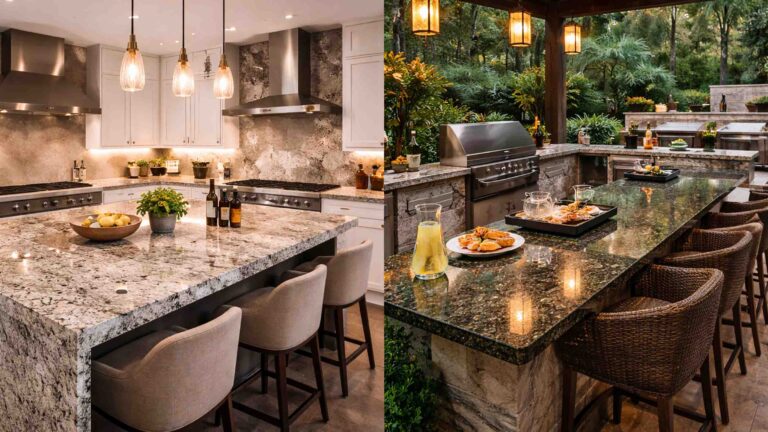
Kitchens with Minimalist or Scandinavian Influence
Its understated look supports clean-lined cabinetry and open shelving without visual overload.
Bathrooms and Utility Spaces
Copenhagen Granite’s moisture resistance makes it suitable for vanities, laundry counters, and secondary work surfaces.
Multi-Unit Residential Projects
Developers often select visually neutral stones to appeal to a broad audience. Copenhagen Granite’s consistency helps maintain uniformity across multiple units.
Copenhagen Granite vs. Other Light-Colored Stones
Compared with White Marble
White marble offers elegance but demands careful maintenance. Copenhagen Granite delivers a lighter appearance with greater tolerance for daily wear.
Compared with Limestone
Limestone provides softness but lacks granite’s durability. For readers evaluating durability differences between light-colored stones, this internal comparison on marble vs limestone and their real differences offers helpful context when deciding whether granite is the more practical choice.
Sustainability Considerations in 2026
Material sustainability in 2026 is increasingly evaluated by longevity rather than novelty. Granite’s long service life reduces replacement frequency, which aligns with lower material consumption over time.
Copenhagen Granite is often specified for projects that prioritize durability and timelessness over short-lived trends, supporting more sustainable renovation cycles.
Common Misconceptions About Copenhagen Granite
“It Looks Too Plain”
What some perceive as plain, others recognize as flexible. Copenhagen Granite acts as a neutral base, allowing lighting, furniture, and décor to define the space.
“Light Granite Stains Easily”
Granite’s porosity is significantly lower than marble. With proper sealing, Copenhagen Granite resists common household stains effectively.
FAQs: Copenhagen Granite in 2026
1. Is Copenhagen Granite suitable for modern kitchens?
Yes. Its neutral appearance and durability make it well-suited for modern and minimalist kitchen designs.
2. Does Copenhagen Granite require frequent sealing?
No. After initial sealing, resealing is typically based on usage rather than on a fixed schedule.
3. Can Copenhagen Granite be used in bathrooms?
Yes. When sealed properly, it performs well in moisture-prone areas such as bathrooms.
4. How does Copenhagen Granite compare to marble in maintenance?
It generally requires less maintenance and is more forgiving of daily wear and spills than marble.
5. Is Copenhagen Granite a good choice for long-term interiors?
Yes. Its understated appearance and durability support long-term use without visual fatigue.
References
-
Natural Stone Institute – Granite Performance Standards
-
ASTM International – Dimension Stone Testing Methods
-
Marble Institute of America – Residential Stone Applications
-
Building Research Establishment – Natural Stone Durability
-
Architectural Digest – Nordic Interior Design Trends
-
Interior Design Magazine – Material Longevity in Residential Spaces
-
Journal of Architectural Materials – Granite Thermal Performance
-
U.S. Green Building Council – Long-Life Building Materials
Why do designers choose it? Because it complements Nordic-inspired spaces without imposing strong visual statements.
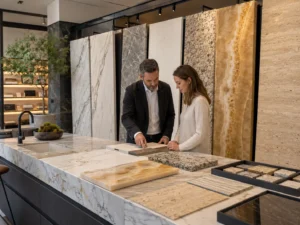
How should it be positioned? As a practical, neutral granite for kitchens and bathrooms where long-term usability matters.
What should buyers consider? Proper sealing, slab consistency, and alignment with minimalist interior goals.