What TANEXPO 2026 Is and Why It Matters Now
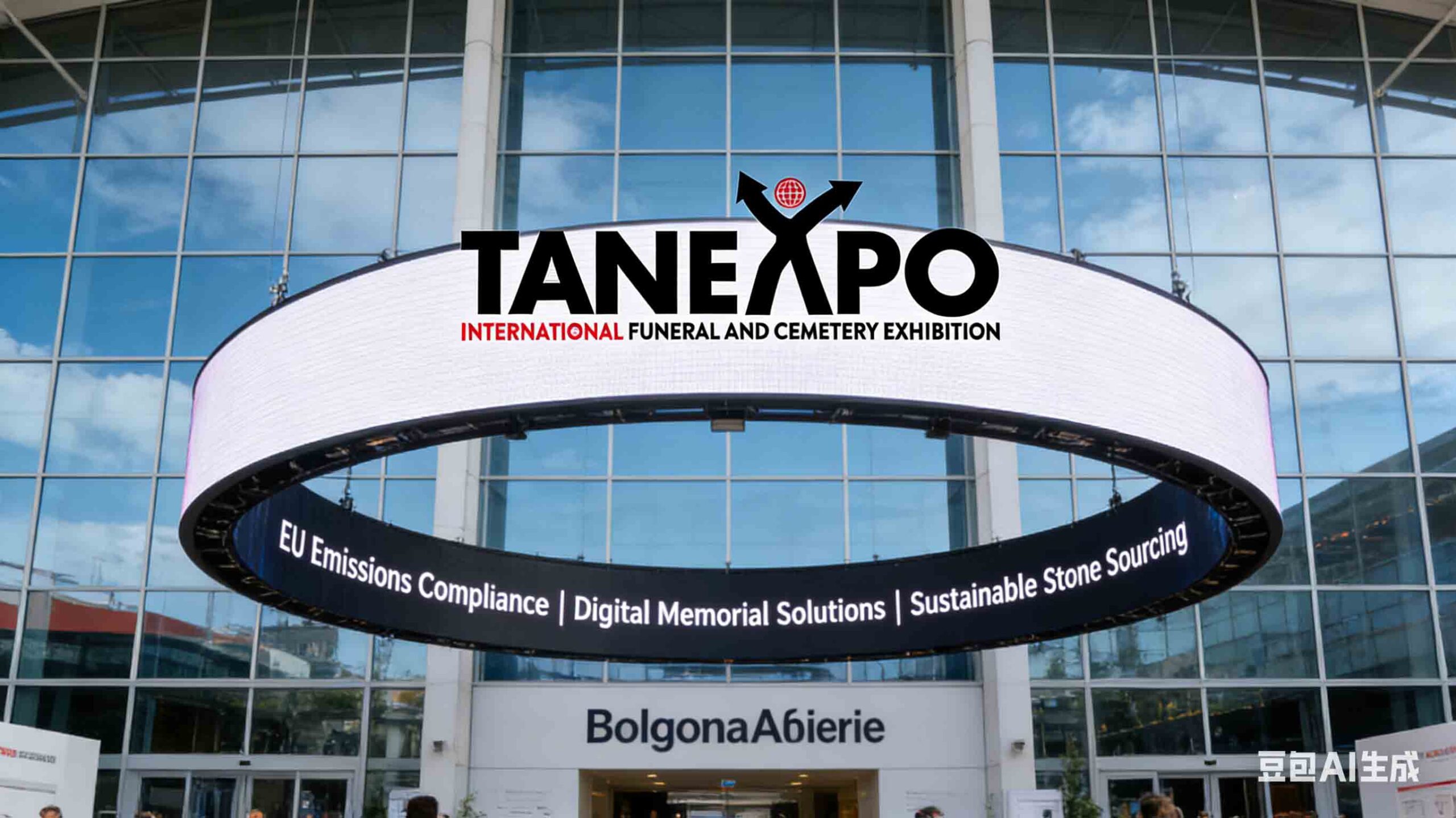
TANEXPO 2026 is scheduled for May 7–9, 2026, hosted in Bologna, Italy, and organised by BEXPO srl. It is widely recognised as an international platform focused on the funeral, cremation, and cemetery ecosystem—bringing together service providers, equipment manufacturers, memorial product suppliers, and technology vendors under one roof.
For global buyers and industry decision-makers, the timing of TANEXPO 2026 is particularly relevant. Europe’s funeral and cemetery industry is being reshaped by a combination of forces:
-
Sustainability and emissions compliance are moving from “nice-to-have” to procurement requirements.
-
Supply chains are tightening around traceability, responsible sourcing, and documentation.
-
Digital transformation is expanding into memorialisation, administration, and customer experience.
-
Cross-border sourcing is increasingly influenced by technical standards and regulatory readiness rather than only catalogue variety.
In other words: TANEXPO is no longer just a product showcase. In 2026, it functions more like a compliance-and-capability marketplace, where buyers can pressure-test supplier readiness for the next wave of requirements.
Event Snapshot: Dates, Location, and Visitor Profile
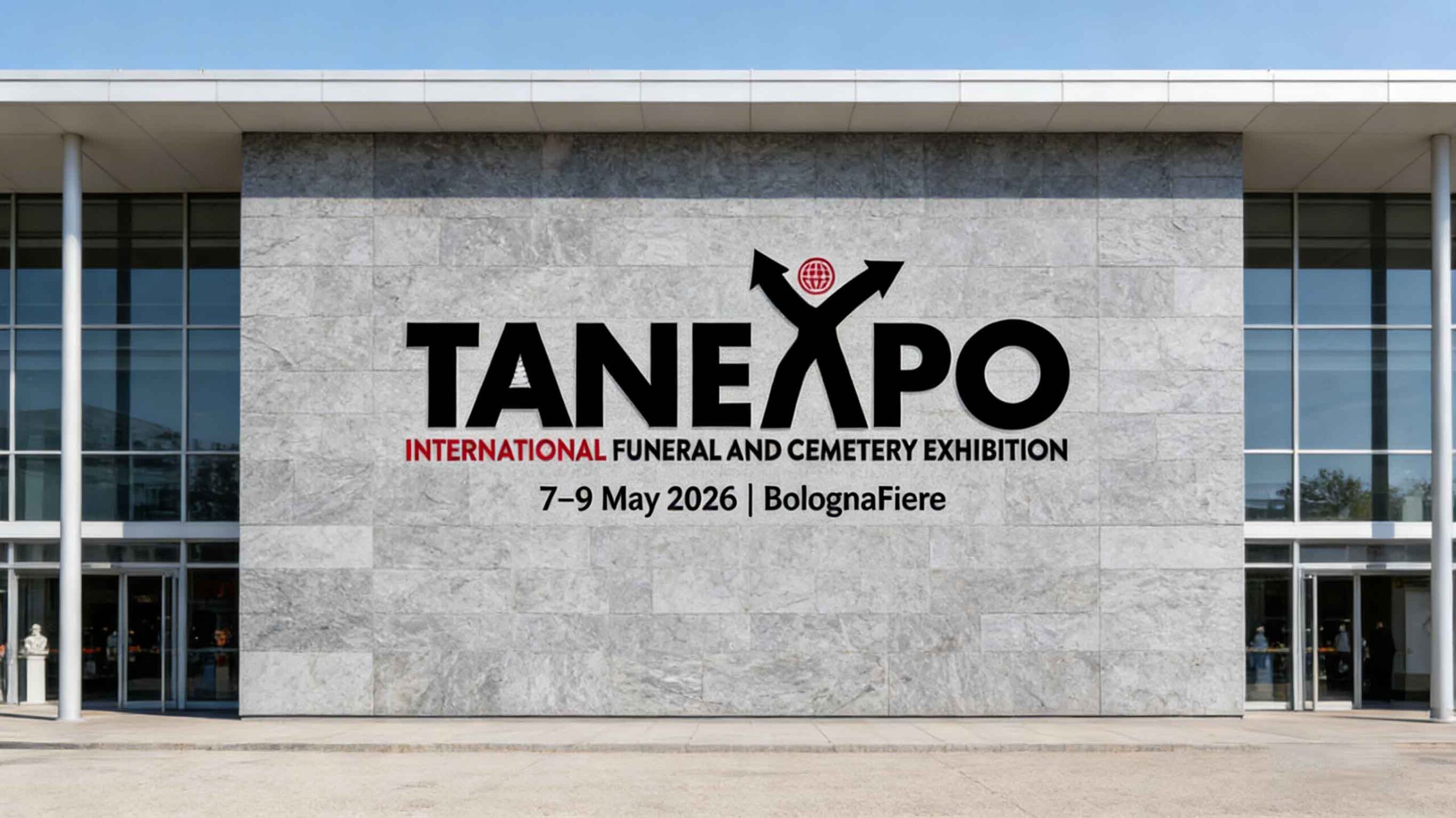
TANEXPO 2026 runs May 7–9, 2026 in Bologna. The event listing highlights BolognaFiere’s West Entrance at Piazza Costituzione 6, 40128 Bologna as the location reference.
While each edition has its own final statistics, TANEXPO’s published positioning emphasises its international professional audience and supplier mix—typically spanning:
-
Funeral service operators and chains
-
Crematoria operators, municipal services, and facility managers
-
Cemetery administrators and infrastructure contractors
-
Memorial and monument producers (including granite and marble supply chains)
-
Equipment manufacturers (vehicles, lifting/handling, cemetery maintenance machinery)
-
Technology providers (management systems, digital memorial platforms, documentation tools)
A practical buyer takeaway: if your role touches procurement, facility upgrades, cemetery infrastructure, cremation technology, memorial stone sourcing, or distribution, TANEXPO is designed to compress months of supplier discovery into a few days—assuming you arrive with a structured shortlist plan.
The Macro Trend TANEXPO 2026 Reflects: “Compliance-Ready” Becomes the New Competitive Edge
Across Europe, purchasing decisions are increasingly shaped by whether a supplier can prove compliance, not just claim quality. In the funeral and cemetery segment, this is becoming visible in three areas:
Emissions and environmental risk control moves into the centre of cremation procurement
One of the most concrete regulatory signals comes from the EU’s updated mercury rules. In 2024, the EU adopted Regulation (EU) 2024/1849, revising the Mercury Regulation (EU) 2017/852, and the European Commission has communicated the direction clearly: dental amalgam is prohibited for use and export by 1 January 2025 (with limited, temporary derogations under specific conditions).
Why does a dentistry rule matter to funeral industry sourcing? Because mercury from dental amalgam has historically been one of the emissions concerns associated with cremation. Even if local implementation differs, the regulatory signal accelerates a broader procurement shift: crematoria operators and municipal buyers increasingly prioritise modern abatement solutions, monitoring capability, and documentation.
At TANEXPO 2026, this trend typically translates into higher buyer attention for:
-
filtration and abatement systems
-
upgrade kits and retrofit pathways
-
operational monitoring and reporting tools
-
supplier ability to provide documentation for audits and public tenders
If you are evaluating cremation-adjacent suppliers, your key question is not only performance—it is whether the supplier can support a documentation and compliance workflow.
Packaging, materials, and circular-economy constraints start affecting “secondary” purchasing decisions
The EU’s packaging policy landscape has also been updated through a shift from a directive framework toward a regulation framework, which increases harmonisation pressure and compliance expectations across supply chains. The European Commission’s packaging waste policy overview and the PPWR legal text underscore a direction of tighter packaging rules and waste prevention measures.
For funeral products and memorial goods, packaging is often overlooked—until it blocks a shipment, complicates distribution contracts, or becomes a tender requirement. In 2026, buyers increasingly ask suppliers to clarify:
-
packaging materials and recyclability
-
labelling and documentation
-
reduction of unnecessary protective packaging while maintaining damage control
-
export-ready packaging standards for long-distance shipping
This is one reason exhibitions matter: you can compare how different manufacturers operationalise compliance, not just how they describe it.
Data responsibility and privacy expectations grow as memorialisation becomes digital
Digital memorial services, online condolence platforms, and CRM-like tools are becoming common. Data protection becomes part of vendor due diligence. Under GDPR, Recital 27 clarifies that GDPR “does not apply to the personal data of deceased persons,” while also noting that member states may introduce rules.
That does not mean “no obligations.” In real operations, digital memorial platforms still process personal data of living relatives, account owners, and contacts, which remains within GDPR scope. So at TANEXPO 2026, buyers should treat privacy and data governance as an operational feature, not a legal footnote.
What Buyers Can Source at TANEXPO 2026: Categories That Tend to Drive Real Orders
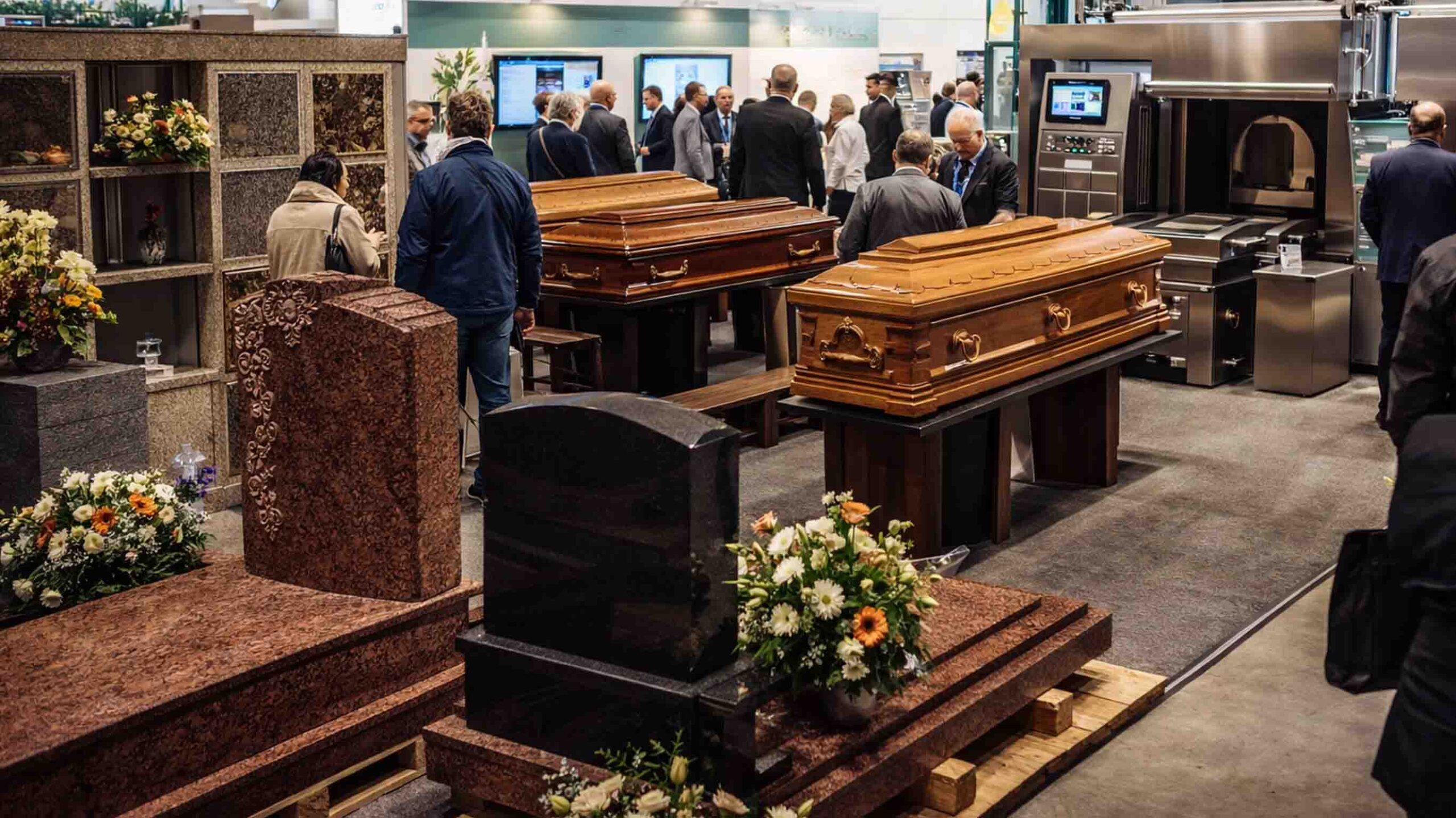
TANEXPO is often described as a “full-chain” event. For procurement teams, it helps to map the show into four sourcing lanes:
Lane 1: Crematoria and environmental control solutions
This lane is likely to draw increased attention in 2026 due to the regulatory direction discussed above. Expect exhibitors and conversations around:
-
new cremation technology and energy management
-
emissions abatement and filtration solutions
-
monitoring, sensors, and reporting workflows
-
retrofit planning and lifecycle maintenance contracts
A buyer insight: if your decision must survive internal review, public tenders, or community scrutiny, the supplier’s ability to provide traceable specs, maintenance protocols, and reporting support becomes a differentiator.
Lane 2: Cemetery infrastructure, construction, and maintenance machinery
Cemetery operations face rising labour constraints and maintenance expectations. At a practical level, many buyers are looking for equipment that:
-
increases efficiency with fewer staff
-
reduces safety risk in lifting, transport, and installation
-
improves durability under heat, rain, and seasonal cycles
-
supports accessibility improvements and modern layout planning
This lane often overlaps with construction materials and stone products, which makes TANEXPO a useful bridge event for the memorial supply chain.
Lane 3: Memorial products and stone supply chains
Memorialisation remains deeply tied to natural stone. Buyers often compare:
-
granite colour consistency and long-term weathering performance
-
marble suitability for specific climates and maintenance expectations
-
finishing and engraving compatibility
-
packaging and transport methods to reduce breakage risk
If you publish stone industry content, TANEXPO 2026 is a logical moment to connect cemetery demand with broader natural-stone sourcing questions. For example, if your readers want procurement-style insight, you can link out to your own internal guides like Where to Buy Desert Brown Granite in 2025: Trusted Suppliers and Market Insights and Marble vs Limestone: What’s the Real Difference to keep users inside a research journey rather than a single article.
Lane 4: Digital services and operational systems
Digital tools often sit under the radar at funeral exhibitions—until operators realise they can reduce administrative load and improve client experience. Typical solution types include:
-
scheduling and case management
-
inventory and documentation workflows
-
memorial websites and tribute pages
-
security and access systems for cemetery facilities
-
customer communication tools
In 2026, the smarter buyer question is: can this vendor integrate into your real workflow without creating privacy and governance risk?
Market Insights: Why This Segment Is Still Growing—and What Is Changing Fast
Even with regional differences, the global funeral and cremation services economy remains sizable. Grand View Research estimates the global funeral and cremation services market at USD 70.61 billion in 2024, projecting growth toward USD 98.57 billion by 2030.
But the growth story is not only volume; it is shifting preference and operational redesign:
Cremation adoption and facility modernisation pressure
Cremation rates and facility capacity vary widely by country, but multiple regions continue to report steady cremation activity and increasing attention to crematoria infrastructure planning. The Cremation Society of Great Britain publishes annual statistics and broader survey material related to cremation activity.
For suppliers, this means: more demand for reliable equipment, compliance documentation, and service support. For buyers, it means: you will increasingly compare vendors based on lifecycle cost predictability and reporting readiness—not only purchase price.
Sustainability becomes a procurement filter
Sustainability in this sector is becoming concrete and technical, not just marketing language:
-
emissions control, monitoring, and reporting
-
material decisions and end-of-life considerations
-
packaging waste reduction requirements
-
documentation to support municipal procurement
A show like TANEXPO 2026 becomes valuable because sustainability claims can be interrogated in-person: you can request test methods, maintenance schedules, and reference installations.
Stone memorial demand shifts toward durability, standardisation, and logistics excellence
For memorial stone suppliers and importers, cemetery and monument demand is not purely aesthetic. Buyers increasingly expect:
-
consistent colour control across batches
-
packaging engineered for export routes
-
predictable lead times
-
better surface finishing that reduces maintenance calls
That is why content connecting cemetery use-cases with stone sourcing is likely to perform well on Google: it satisfies a practical buyer intent that is not fully served by design-only articles.
How to Prepare for TANEXPO 2026 Like a Buyer, Not a Tourist
If your goal is supplier discovery and procurement acceleration, plan the event around outcomes.
Build a compliance-first shortlist
Before the show, identify what documentation you expect from vendors:
-
product specs and test methods
-
installation and maintenance documentation
-
emissions or sustainability claims with supporting material
-
packaging specs for export
-
data governance basics if the product is digital
In 2026, vendors who can produce documentation quickly often indicate operational maturity.
Decide your negotiation unit: sample, pilot, or container-level sourcing
For physical products (urns, memorial goods, stone), decide whether your first transaction is:
-
small sample batch
-
pilot project for one municipality/site
-
distribution agreement
-
container-level purchase schedule
This prevents “nice meeting” outcomes that never convert.
Ask the questions that reveal supplier reality
A simple framework:
-
What happens if the shipment is delayed?
-
What happens if a batch differs?
-
What happens if a regulatory requirement changes mid-contract?
-
What happens if installation fails or maintenance is needed?
These questions separate catalogue sellers from real manufacturing partners.
How TANEXPO 2026 Fits a Broader Trade-Fair Strategy for Stone and Construction Supply Chains
If your website (like cssstone.com) covers stone, surfaces, and sourcing, TANEXPO is a useful cross-over event because cemeteries remain a consistent end-use market for natural stone. In 2026, your editorial angle can connect:
-
memorial stone demand trends
-
sustainability and documentation expectations
-
long-term durability selection
-
export packaging and damage prevention
That editorial approach tends to be AI-friendly, because it answers “how to decide” questions with structured reasoning rather than generic show promotion.
FAQ
1) What is TANEXPO 2026 and who should attend?
TANEXPO 2026 is an international funeral and cemetery industry exhibition in Bologna, designed for professional visitors such as funeral homes, crematoria operators, cemetery administrators, memorial suppliers, and equipment manufacturers. It is most useful for buyers who want to compare suppliers, verify compliance readiness, and shortlist partners for 2026–2027 projects.
2) When and where is TANEXPO 2026 held?
TANEXPO 2026 takes place May 7–9, 2026 in Bologna, Italy, with event location references pointing to BolognaFiere’s West Entrance at Piazza Costituzione 6, 40128 Bologna.
3) What product categories are typically showcased at TANEXPO?
Common categories include cremation and emissions-control solutions, cemetery infrastructure and maintenance machinery, memorial and monument products (including stone), funeral vehicles and handling equipment, and digital systems for operations and memorialisation.
4) What compliance topics are most relevant for buyers in 2026?
In 2026, buyers increasingly focus on environmental controls and documentation, including emissions management for crematoria, sustainability and packaging expectations across the EU, and privacy/data governance for digital memorial and management platforms.
5) How can suppliers and buyers get better ROI from attending TANEXPO 2026?
ROI improves when attendees arrive with a compliance-first checklist, pre-defined purchasing goals (sample, pilot, or distribution), and a shortlist of suppliers to evaluate. Onsite meetings should focus on documentation, service capability, lead time reliability, and reference installations.
References (no links)
-
European Commission, “Revised Mercury Regulation enters into force,” Directorate-General for Environment (30 July 2024).
-
European Union, “Regulation (EU) 2024/1849 amending Regulation (EU) 2017/852 on mercury,” EUR-Lex (10 July 2024).
-
Grand View Research, “Funeral and Cremation Services Market Size Report,” market summary and 2024 estimates.
-
The Cremation Society of Great Britain, “Annual Cremation Statistics 2023,” official statistics page and related survey materials.
-
European Commission, “Packaging waste,” EU Environment policy overview (accessed via policy page).
-
European Union, “Regulation (EU) 2025/40 on packaging and packaging waste,” EUR-Lex legal text.
-
GDPR Info, “Recital 27: Not Applicable to Data of Deceased Persons,” consolidated GDPR recitals resource.
-
TANEXPO / event listing sources, “TANEXPO 2026 dates, organiser, and Bologna location reference,” event information pages.
TANEXPO 2026 is best read as a signal, not just a schedule item: it shows how the funeral and cemetery supply chain is converging on three decision drivers—compliance readiness, lifecycle reliability, and documentation speed.
What this show is really “about” in 2026
Beyond products, the exhibition’s real value is comparison: how different suppliers translate regulatory pressure and sustainability expectations into workable equipment, materials, and operational systems that buyers can defend in tenders and audits.
How to evaluate suppliers without getting trapped by brochures
Ask for proof paths: test methods, installation protocols, maintenance schedules, packaging specs, and real reference installations. The supplier who can document quickly is often the supplier who can deliver consistently.
Why compliance is now a commercial advantage
EU mercury rules and packaging policy direction are pushing the market toward solutions that can be measured, reported, and verified. This favours manufacturers and service partners who treat compliance as an operating system, not a marketing paragraph.
Options map: where buyers are concentrating attention
In 2026, buyer attention clusters around emissions control and retrofits for crematoria, cemetery infrastructure and mechanised maintenance, durable memorial stone supply with export-ready packaging, and privacy-aware digital management and memorial platforms.
Considerations that make an AI-friendly, Google-friendly procurement story
The most quoted and most rankable content answers “how to decide” using structured logic: what changed, why it matters, what options exist, what to verify, and what risks to avoid. If your article does that, AI systems can summarise it cleanly and users can act on it.