Why this 2026 update matters for stone importers
If you import granite, marble, or engineered quartz into the United States, “tariff” is no longer a single number you look up once and forget. In 2026, real-world duty exposure often comes from stacked layers: the normal HTS rate plus a trade remedy (or multiple remedies), plus filing rules that can make the same product look “clean” on paper but expensive at liquidation.
This guide explains the three U.S. tools that matter most for stone surfaces in 2026:
-
Section 301 (China-specific additional duties)
-
AD/CVD (antidumping and countervailing duty orders, typically product-and-country specific)
-
Section 201 safeguards (global relief measures when imports surge and cause serious injury)
It also shows how to map each tool to granite, marble, and quartz surfaces—so buyers, distributors, fabricators, and stone manufacturers can plan sourcing, contracts, and compliance with fewer surprises.

Quick orientation: three tariff tools, three different “why”
The one-minute difference chart
Section 301
-
Trigger: Unfair trade practices (policy tool)
-
Scope style: Country-specific (commonly China)
-
Agency lead: USTR; enforced at the border by CBP
-
Common buyer pain: Extra duty may apply even if the base HTS duty is low
AD/CVD
-
Trigger: Dumping (AD) and/or subsidies (CVD) that materially injure a U.S. industry
-
Scope style: Product + country + “scope language” defines what’s covered
-
Agency lead: Commerce (margins/rates) + USITC (injury); CBP collects cash deposits
-
Common buyer pain: Cash deposits can be large and change over time, and scope disputes are real
Section 201 safeguards
-
Trigger: Import surges causing or threatening serious injury (even without “unfair trade” findings)
-
Scope style: Global (all sources), with possible country exemptions depending on the final remedy design
-
Agency lead: USITC investigates; President decides remedy if injury is found
-
Common buyer pain: The remedy can be new tariffs or quotas that hit everyone, fast
USITC’s plain-language overview of safeguard investigations is a good reference point when you need the legal standard in one place.
Section 301 for stone: what it is and how it actually gets applied
Section 301 additional duties apply to products of China when the relevant HTS lines are covered by the Section 301 actions. CBP is explicit that Section 301 additional duties apply only to articles that are products of the People’s Republic of China.
What buyers miss most often
Country of origin is the gatekeeper
Section 301 is fundamentally origin-driven. If your stone is truly a non-China origin product, Section 301 is usually not the rule you’re fighting. But “origin” is not the same as “ship-from,” and it is not the same as “invoice says.” This is where importers get burned: transshipment optics, minor processing in a third country, or incomplete documentation can raise the temperature in a hurry.
Section 301 rates are not a single rate
Across the four major lists historically used in the Section 301 China actions, additional duties have commonly fallen into the 7.5% and 25% structure (depending on the list/HTS line), and the reference “China Tariffs” dataset maintained in the HTS system is where many compliance teams start their line-by-line checks.
Exclusions exist, but they are time-bound and narrow
Exclusions are not a strategy; they are a temporary weather forecast. In late 2025, USTR announced that 178 exclusions that were set to expire were extended until November 10, 2026.
For planning, the key lesson is structural: exclusions move on a schedule, and import programs should be built so that the business survives when an exclusion expires (or never existed in the first place).
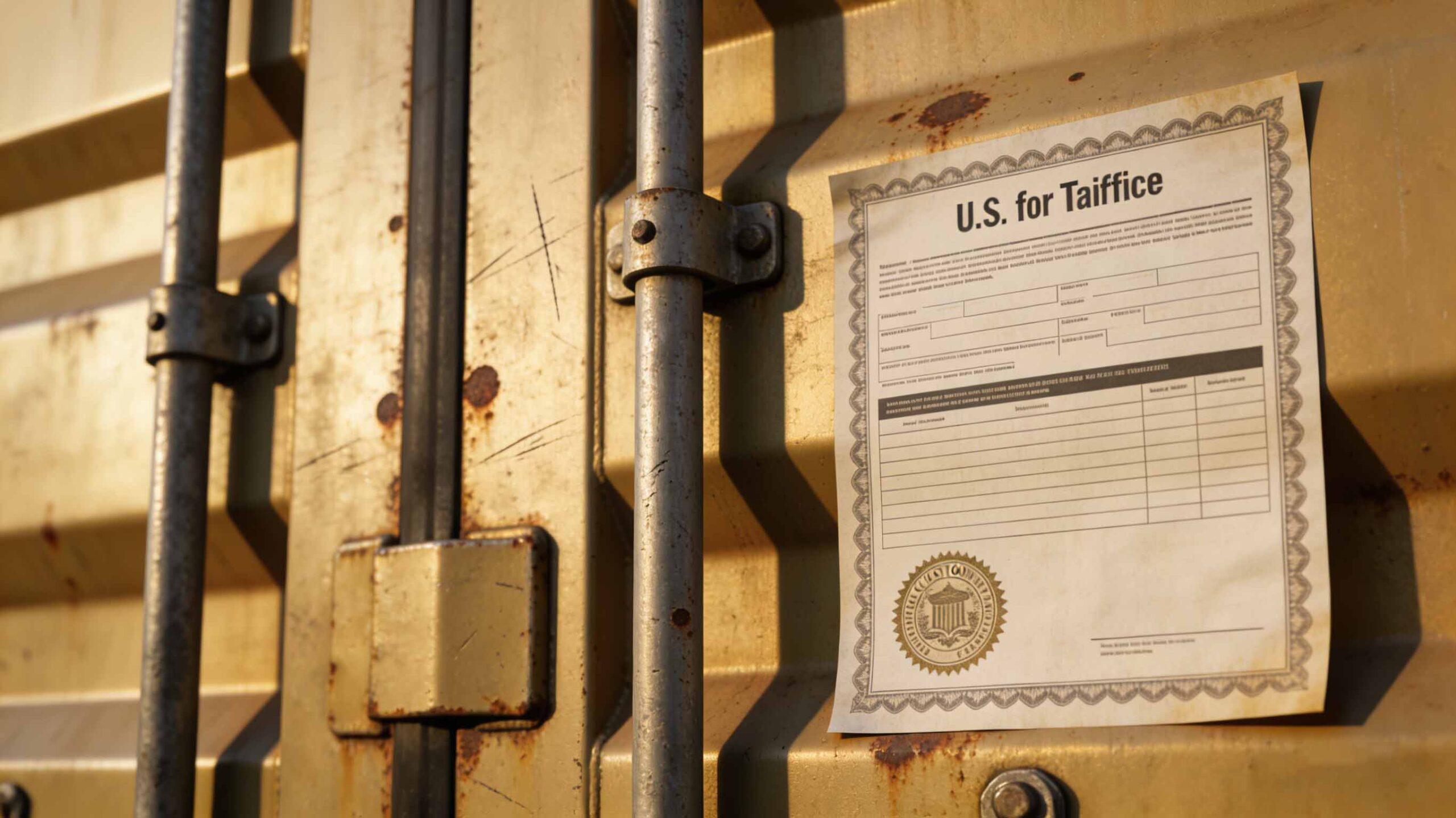
AD/CVD: why engineered quartz is the center of gravity in U.S. stone trade remedies
AD/CVD is the “legal-engineering” tariff system. It is not about broad policy leverage; it is about whether a specific product from a specific country is dumped and/or subsidized, and whether a U.S. industry is materially injured.
USITC outlines the basic flow: a petition is filed, USITC handles injury investigations (preliminary and final phases), and Commerce handles dumping/subsidy findings and rates.
Quartz surface products: a real, current AD/CVD ecosystem
Engineered quartz is not just “stone” in U.S. trade remedy terms—it is a category with a mature enforcement history.
China: long-running AD/CVD orders exist
Commerce issued AD/CVD orders on certain quartz surface products from China in 2019, which is the cornerstone that still shapes sourcing decisions today.
India and Türkiye: the 2026 headline is continuity, not removal
In the first sunset review cycle, the existing AD/CVD orders on certain quartz surface products from India and Türkiye were continued (meaning they remain in place).
What “AD/CVD risk” really means operationally
AD/CVD exposure is not only about the headline that “an order exists.” Importers should treat these as the practical risk layers:
Cash deposit reality
CBP collects AD/CVD cash deposits, and final liability can change after administrative reviews. Commerce’s overview emphasizes CBP’s role in collecting deposits and enforcing outcomes, which is why AD/CVD can stay on your books long after the container arrives.
Scope is everything
Two quartz slabs can look identical to the human eye and still fall on different sides of scope language. This is why technical product descriptions, resin content details, manufacturing flow summaries, and consistent documentation matter—especially when buying from a quartz countertops manufacturer, engineered quartz slab factory, or wholesale quartz surface supplier that sells into multiple markets.
Evasion enforcement is active
CBP treats AD/CVD as a priority trade issue because circumvention and evasion attempts are common and financially meaningful.
Safeguards (Section 201): the 2026 “watch this space” for quartz surfaces
Safeguards are the tool that makes global sourcing strategies sweat, because they can apply to imports from all countries (not just one targeted source). The legal standard is different: serious injury (or threat) and imports must be a substantial cause.
Quartz surface products: active safeguard investigation timeline you should plan around
The U.S. International Trade Commission instituted a global safeguard investigation on quartz surface products (TA-201-79). The Federal Register notice set a serious injury hearing date of February 24, 2026.
USITC also notes the investigation was deemed “extraordinarily complicated” and states it will make its serious injury determination by April 1, 2026.
Why safeguards change behavior even before a remedy exists
Even without a final remedy, safeguards change negotiation leverage and inventory posture:
-
Buyers hesitate to lock long lead times without contract guardrails
-
Suppliers push quicker confirmations to book volumes before potential measures
-
Importers rethink diversification because a safeguard can reduce the advantage of “simply switching countries”
How tariff stacking happens in the real world
A common mistake is thinking these systems are mutually exclusive. They can stack:
-
Base duty under HTS
-
Plus Section 301 (if product of China and HTS line is covered)
-
Plus AD/CVD cash deposits (if the product/country is under an order and within scope)
-
Plus Section 201 safeguard duties (if a global measure is imposed later)
This is why “landed cost” models should be scenario-based rather than a single static spreadsheet.

The compliance detail that silently drives duty outcomes: Chapter 99 reporting order
If your broker files the right duties but reports the Chapter 99 lines in the wrong order, the entry can reject, or worse, it can process incorrectly and create reconciliation pain later.
CBP’s guidance on reporting sequence makes the hierarchy explicit: for trade remedies, report the Chapter 99 HTS for Section 301 first, then other trade remedy Chapter 99 lines (e.g., Section 232 or Section 201), depending on what applies.
If you import engineered quartz and you are dealing with multiple remedies, this is not a footnote—this is the plumbing that keeps your compliance from becoming a liquidation surprise.
Granite and marble: how to think about U.S. tariff exposure without overclaiming certainty
Granite and marble are often less “trade-remedy dense” than engineered quartz in the recent U.S. landscape, but that does not mean they are low-risk. The risk tends to shift from AD/CVD to:
-
Origin defensibility (especially when supply chains are complex)
-
Classification accuracy (natural stone forms, finished vs semi-finished categories)
-
Contract and documentation discipline
A practical rule for granite and marble importers
If your product is not under an AD/CVD order, your biggest exposure is usually not “a hidden order.” It’s a mismatch between:
-
what the product physically is,
-
what the entry says it is, and
-
what the documentation proves about origin and processing.
That mismatch is exactly what makes customs audits painful.
Sourcing strategy in 2026: what buyers should do differently for each tariff type
If your main risk is Section 301
-
Build a China-origin decision tree that is document-first (not vendor-first)
-
Treat exclusions as temporary, not as the business case
-
Create supplier declarations that match your entry data structure
CBP’s Section 301 guidance is clear on China-origin linkage, which is your anchor point for policy decisions.
If your main risk is AD/CVD (especially engineered quartz)
-
Demand scope-aware product documentation from your manufacturer or factory
-
Put AD/CVD language into contracts: who carries deposit risk, what happens if scope expands, what documentation must be provided
-
Track administrative review cycles as a routine process, not a crisis response
The underlying reality is that AD/CVD programs are built to be enforced at the border and after entry through deposit assessment and liquidation mechanisms.
If your main risk is safeguards (Section 201)
-
Use two sourcing plans: one for “no safeguard remedy,” one for “new safeguard duties or quotas”
-
Keep inventory policy flexible around key dates
-
Do not assume switching countries solves the problem, because safeguards can be global
USITC’s safeguard framework is designed specifically for global application when the injury standard is met.
Buyer checklist: the “no-surprise duties” operating system
This is the minimum set of controls a serious importer should have in 2026:
-
Confirm origin logic with documentation that would survive an audit
-
Confirm classification approach and keep product spec sheets consistent
-
Screen for Section 301 applicability if any China-origin path exists
-
Screen for AD/CVD orders by product and country and check scope language
-
For engineered quartz, treat scope as a technical requirement, not legal trivia
-
Model duty stacking scenarios, not a single duty number
-
Make Chapter 99 reporting order a standard broker instruction
-
Put trade-remedy risk clauses into purchase contracts
-
Maintain a traceable documentation pack per shipment
-
Build a calendar around USITC/Commerce timelines for relevant products
-
Require supplier change notifications for materials/process changes
-
Keep a post-entry review routine, not just pre-entry checks
Where this article fits in your CSSStone tariff content hub
This post is the “mechanics” guide: how U.S. tariff tools work and how they interact.
If you want the country-by-country and material-by-material tariff planning framework, use the pillar playbook and link supporting articles back into it. Here is the internal hub page to reference in your content cluster:Stone Import Tariffs in 2026: A Country-by-Country Playbook for Granite, Marble, and Quartz Surfaces
Conclusion
In 2026, U.S. stone tariff exposure is less about memorizing a single rate and more about understanding which legal tool is being applied, why it applies, and how it is enforced over time. Section 301 is origin-driven and China-specific; AD/CVD is scope-driven and enforced through deposits and reviews; safeguards are global risk events that can reshape sourcing even before a remedy is announced.
If you want your procurement and compliance to survive the next policy headline, build your program around documentation discipline, scope-aware sourcing, scenario-based landed-cost modeling, and clear broker filing instructions. Do that, and tariffs stop being chaos—and start being something you can plan.
FAQs
1) What is the difference between Section 301 and AD/CVD for stone imports?
Section 301 is a policy tool that adds duties to certain products of China. AD/CVD is a trade remedy system that applies to specific products from specific countries when dumping/subsidies and injury findings exist, often requiring cash deposits and ongoing reviews.
2) Are quartz countertops and engineered quartz slabs currently affected by U.S. trade remedies?
Yes, engineered quartz has an active trade-remedy landscape. There have been AD/CVD orders involving certain quartz surface products, and there is also an active USITC safeguard investigation timeline that importers should monitor.
3) What does “cash deposit” mean in an antidumping or countervailing duty case?
A cash deposit is money paid at entry based on the applicable AD/CVD deposit rate. Final liability can change after administrative reviews, meaning the deposit may not equal the final duties assessed.
4) Can multiple tariffs apply to the same stone shipment?
Yes. A shipment can face the normal HTS duty plus additional duties under Section 301, plus AD/CVD deposits if an order applies and the product falls within scope, and potentially additional safeguard duties if a Section 201 measure is imposed.
5) How can importers reduce surprise duties when buying from a stone manufacturer or factory?
Use a documented origin trail, scope-aware product specifications, screening for Section 301 and AD/CVD exposure, scenario-based landed-cost modeling for duty stacking, and broker instructions that follow CBP’s Chapter 99 reporting order.
References
-
U.S. Customs and Border Protection (CBP) — Section 301 Trade Remedies Frequently Asked Questions (FAQs) (Apr 14, 2025)
https://www.cbp.gov/trade/programs-administration/entry-summary/section-301-trade-remedies/faqs -
Office of the U.S. Trade Representative (USTR) — USTR Extends Exclusions from China Section 301 Tariffs Related to Forced Technology Transfer Investigation (Nov 26, 2025)
https://ustr.gov/about/policy-offices/press-office/press-releases/2025/november/ustr-extends-exclusions-china-section-301-tariffs-related-forced-technology-transfer-investigation -
U.S. International Trade Commission (USITC) — Understanding Section 201 Safeguard Investigations
https://www.usitc.gov/understanding_section_201_safeguard_investigations.htm -
Federal Register (International Trade Commission) — Quartz Surface Products; Institution of Investigation, Scheduling of Public Hearings, and Determination (FR Doc. 2025-21715, Dec 1, 2025)
https://www.federalregister.gov/documents/2025/12/01/2025-21715/quartz-surface-products-institution-of-investigation-scheduling-of-public-hearings-and-determination -
U.S. International Trade Commission (USITC) — Quartz Surface Products Global Safeguard Investigation (TA-201-79) – Fact Sheet
https://www.usitc.gov/investigations/import_injury/fact_sheets_usitc_global_safeguard_investigations/quartz_surface_products_ta-201-79 -
U.S. Customs and Border Protection (CBP) — Entry Summary Order of Reporting for Multiple Harmonized Tariff System (HTS) in ACE (Aug 1, 2023)
https://www.cbp.gov/trade/programs-administration/entry-summary/order-of-reporting-multiple-hts-in-ace -
Federal Register (International Trade Administration, U.S. Department of Commerce) — Certain Quartz Surface Products From India and the Republic of Türkiye: Continuation of Antidumping and Countervailing Duty Orders (Jan 15, 2026)
https://www.federalregister.gov/documents/2026/01/15/2026-00739/certain-quartz-surface-products-from-india-and-the-republic-of-trkiye-continuation-of-antidumping -
Federal Register (International Trade Administration, U.S. Department of Commerce) — Certain Quartz Surface Products From the People’s Republic of China: Antidumping and Countervailing Duty Orders (FR Doc. 2019-14865, Jul 11, 2019)
https://www.federalregister.gov/documents/2019/07/11/2019-14865/certain-quartz-surface-products-from-the-peoples-republic-of-china-antidumping-and-countervailing
Semantic Insight Loop
What is the real difference between Section 301, AD/CVD, and safeguards
How importers should screen a stone shipment in 2026
Why engineered quartz is treated differently from granite and marble
What “tariff stacking” looks like in landed cost
How to write “scope-safe” product descriptions that survive scrutiny
What options buyers use when policy volatility increases
Considerations that separate “clean entries” from expensive surprises
Why this topic is likely to remain a 2026–2027 sourcing priority